Contemporary Britain in Historical Perspective (HI2G7)
Module Convenor: Dr Jack BowmanLink opens in a new window
This intensive two-week 15CATS module explores how history can inform our understanding of contemporary Britain. It focuses on three main inter-related issues:
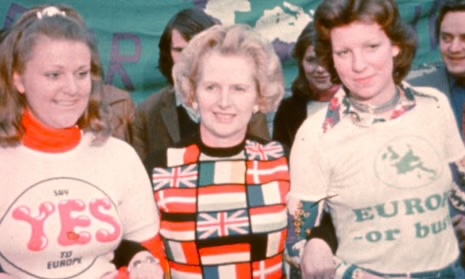
- The history of Brexit (including the slow post-war move to join the EEC, the Referendum of 1975, historical explanations for the patterns of voting in the 2016 Referendum, and how history can inform understanding of subsequent political battles over delivering Brexit).
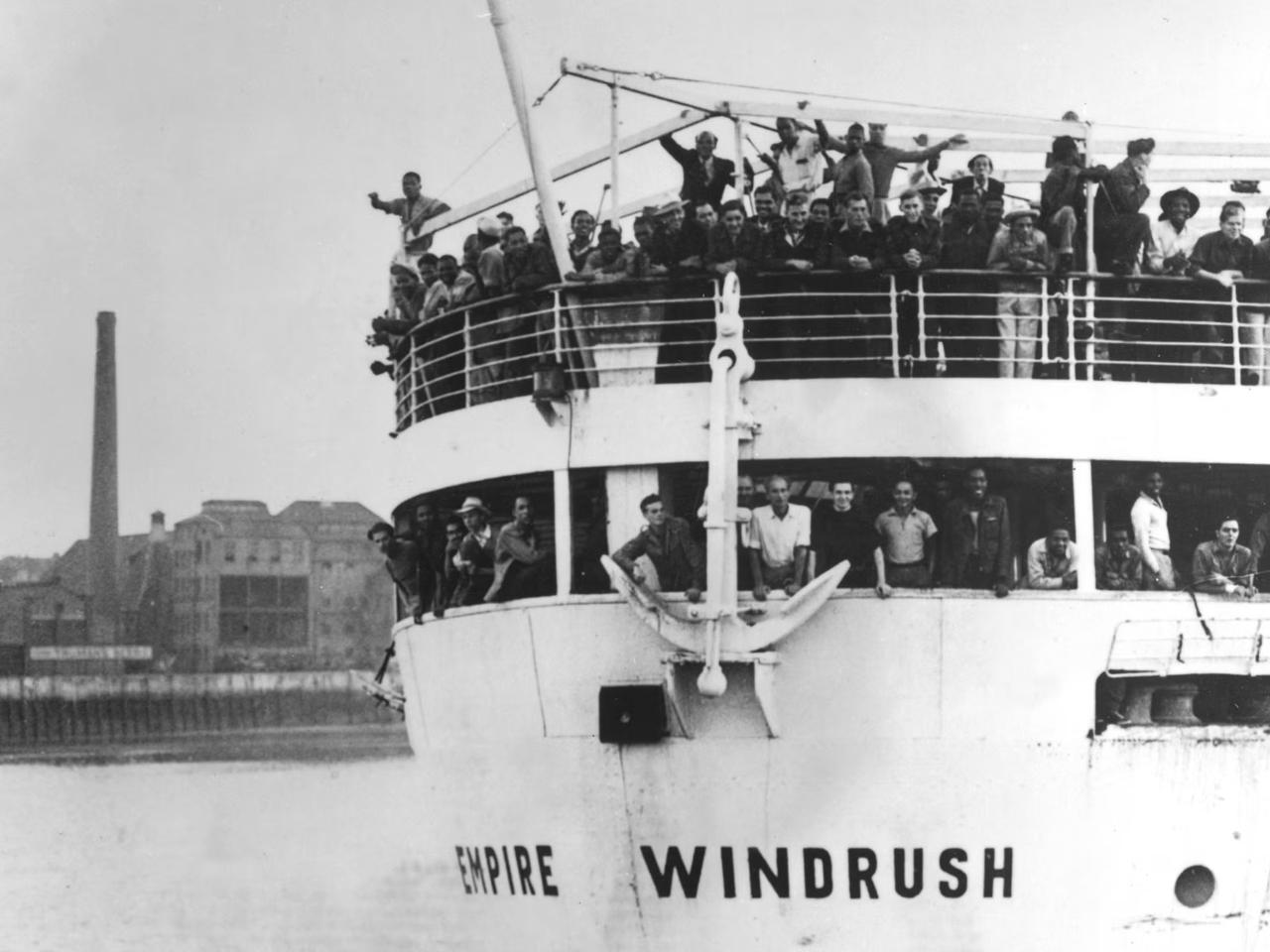
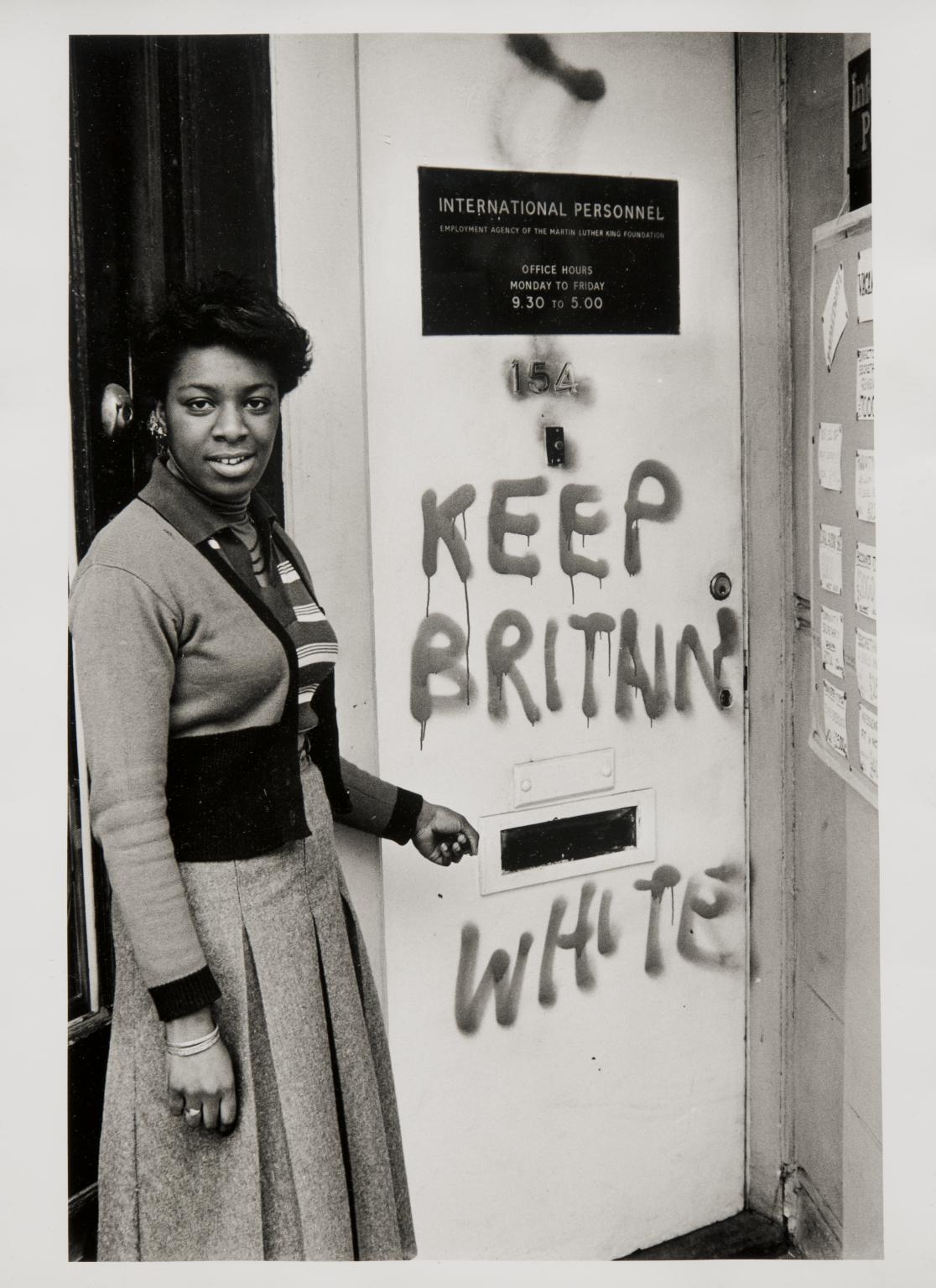
- The history of race, migration, and 'Britishness' (including key themes relating to race and ethnicity in Britain, the longer history of empire and race, post-1945 shifts in racist attitudes, and the continued legacies of imperial history).
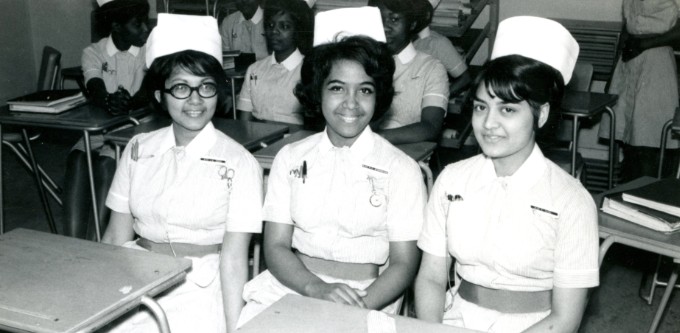
- The history of the Welfare State and the National Health Service as a symbol of national identity (including the history of the Welfare State and the creation of the NHS, the history of its representation, and the place of the NHS in the politics of Brexit and Coronavirus).
Students work together to design and run a mini-conference on these themes and each present a paper based on original research.
Learning Outcomes
By the end of the module, students should be able to:
- Demonstrate knowledge and understanding of the historical underpinnings of recent debates about Brexit, the break-up of Britain and impact of end of Empire, and the NHS.
- Formulate a focused research question that shows how history can inform contemporary debate.
- Demonstrate cooperation, ability to provide peer feedback, responsibility, and leadership in working in a small group.
- Generate historical arguments through analysis of primary source material.
- Communicate historical analysis clearly and cogently through presentation in a conference setting.
- Ask and respond to questions in a way that constructively builds group discussion.
- Analyse and evaluate the contributions made by existing scholarship of modern British history.
Indicative Reading List
**Please read David Edgerton, The Rise and Fall of the British Nation: A Twentieth Century History (2018Link opens in a new window) before we begin the module**
This is an indicative reading list, not an exhaustive list. These are some good places to begin, depending on what your focus is, but please consult the library catalogue for other texts beyond these !
- Gurminder K. Bhambra, 'Locating Brexit in the Pragmatics of Race, Citizenship and Empire', in William Outhwaite (ed.), Brexit: Sociological Responses (2017), pp. 145-57.Link opens in a new window
- Jennifer Crane and Jane Hand (eds.), Posters, Protests, and Prescriptions: Cultural Histories of the National Health Service in Britain (2022).Link opens in a new window
- David Edgerton, ‘British Exceptionalism: Where Brexit and Our Coronavirus Response Collide’, The New World (3 May 2020).Link opens in a new window
- Paul Gilroy, "There Ain't No Black in the Union Jack": The Cultural Politics of Race and Nation (1987).Link opens in a new window
- Matthew Goodwin and Caitlin Milazzo, ‘Taking Back Control? Investigating the Role of Immigration in the 2016 Vote for Brexit’, British Journal of Politics & International Relations, 19.3 (2017), pp. 450–64.Link opens in a new window
- Kennetta Hammond Perry, London is the Place for Me: Black Britons, Citizenship, and the Politics of Race (2015).Link opens in a new window
- Tom Nairn, The Break-Up of Britain: Crisis and Neo-Nationalism (1981).Link opens in a new window
- Robert Saunders, Yes to Europe! The 1975 Referendum and Seventies Britain (2018).Link opens in a new window
- Andrew Seaton, Our NHS: A History of Britain's Best-Loved Institution (2023).Link opens in a new window
- Julia M. Simpson, Migrant Architects of the NHS: South Asian Doctors and the Reinvention of British General Practice (1940s-1980s) (2018).Link opens in a new window
- Pat Thane, Divided Kingdom: A History of Britain, 1900 to the Present (2018).Link opens in a new window
- Satnam Virdee, Racism, Class and the Racialized Outsider (2014).Link opens in a new window
- Eve Worth, The Welfare State Generation: Women, Agency and Class in Britain since 1945 (2021).Link opens in a new window
Assessment
- Conference Paper (60%)
-
A paper that shows how historical research can add to our understanding of one of the contemporary themes. This will be presented orally and can be accompanied by powerpoint presentation. It will also involve response to questions from the audience.
-
- Seminar Contribution (15%)
-
Evaluation of individual student contribution in seminars and the final conference. This will involve demonstration of preparation and underlying knowledge and understanding, answering and posing questions.
-
- Workshop Contribution (15%)
-
Evaluation of your contribution to the effective running of your workshop groups and the development of a cohesive, well-designed, and well-managed and presented conference panel.
-
- Presentation Plan (10%)
-
You will submit a brief plan of your presentation for feedback midway through the module. This will assist you in preparation of the final presentation. The plan will set out your question, the research you hope to undertake (including potential sources), and a hypothesis about your argument.
-