
LGBTQ Heartbreaks
Clara Delaney (History)
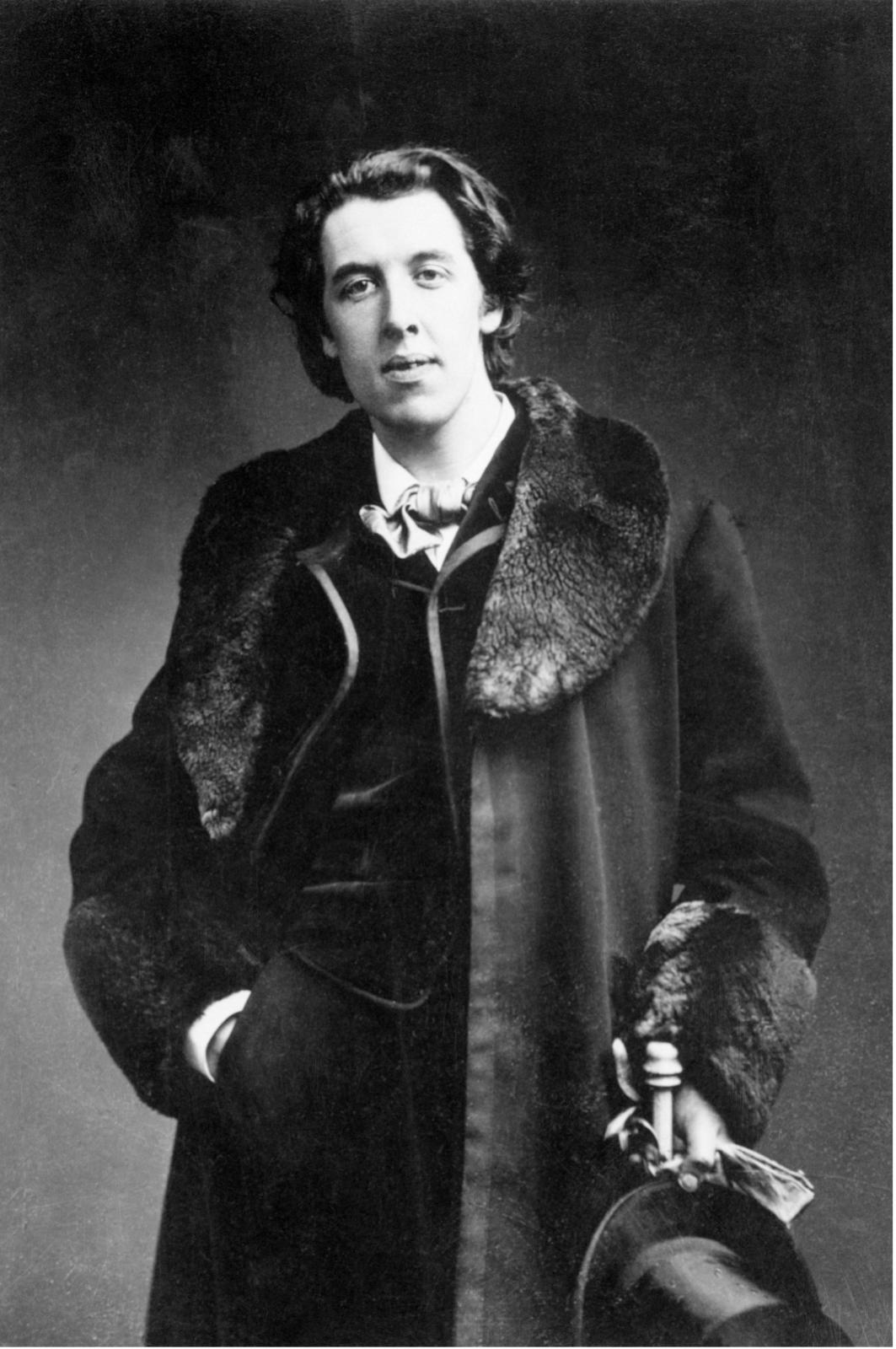
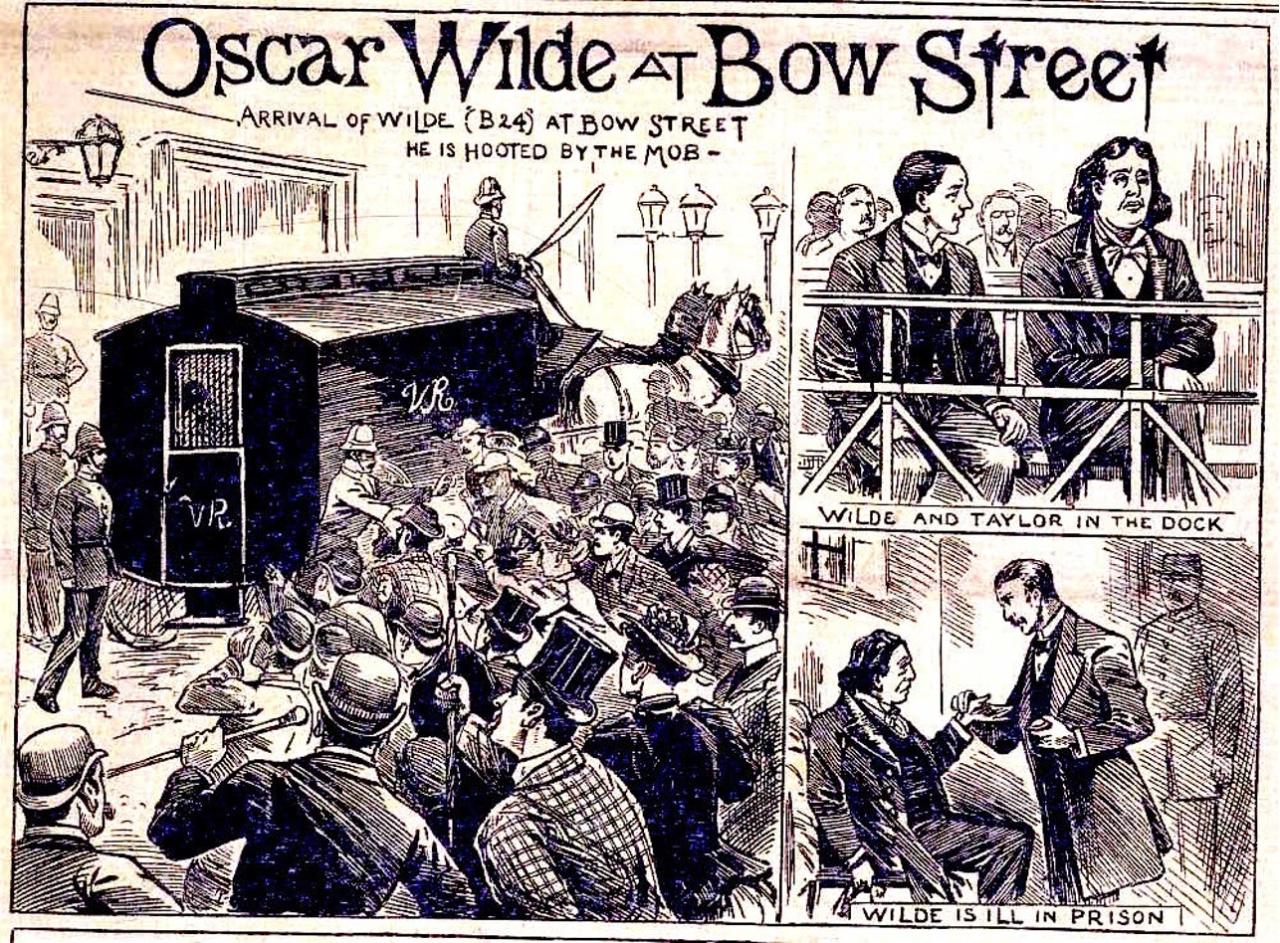

Victorian Britain was not a place in which LGBTQ+ people could express their experiences of romantic love or heartbreak openly without fear of persecution. Rather than following the suit of France, which had decriminalised homosexuality after the Revolution, Britain instead tightened up its laws in 1885, to create a climate of intolerance.
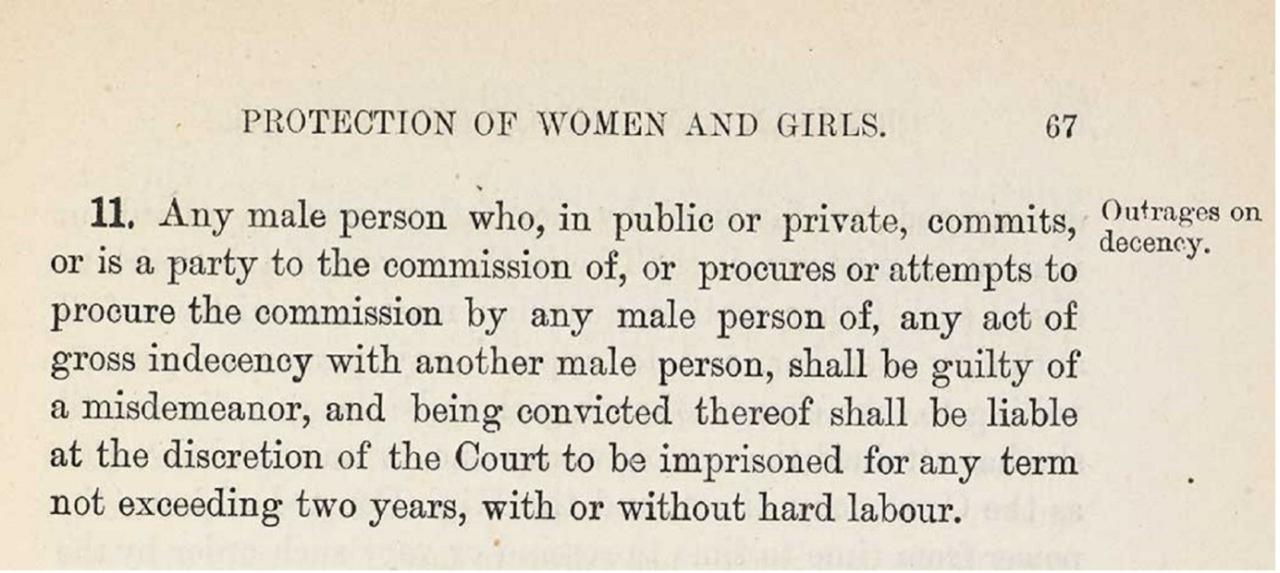
It was the 1885 Labouchere Amendment (below), criminalising all acts of “gross indecency” between men whether in public or private, that significantly altered how LGBTQ+ people could lead romantic relationships: it led to the prosecution of Oscar Wilde in 1895 and his sentence of hard labour that ultimately destroyed his health. LGBTQ+ relationships were forced underground, on pain of prosecution.
One might assume that in this hostile environment, the experiences of heartbroken LGBTQ+ people are lost to history. Rather, the historical record is alive with sources on the ways in which romantic heartbreak was experienced by these people. Romantic heartbreak and its soulful expression was not just the remit of the Brontës and Byron: LGBTQ+ people had their own unique experience of heartbreak, one that was criminalised and repressed, complicated by law, religion, and society. From diaries to poetry, from priory to prison, we can now bring to light the experience of LGBTQ+ heartbreaks both notorious, like Oscar Wilde, and obscure, like Mary Benson. More so, we can experience these heartbreaks in their own words, on their own terms.
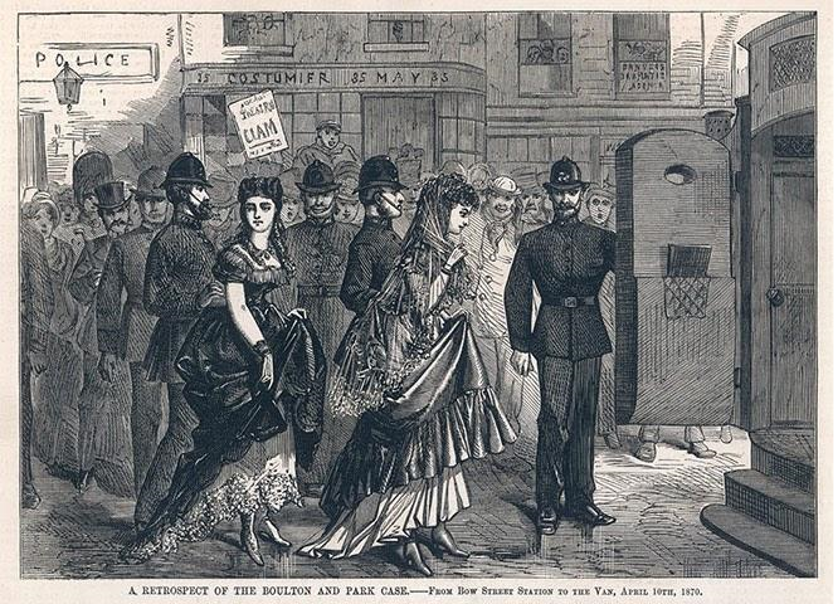
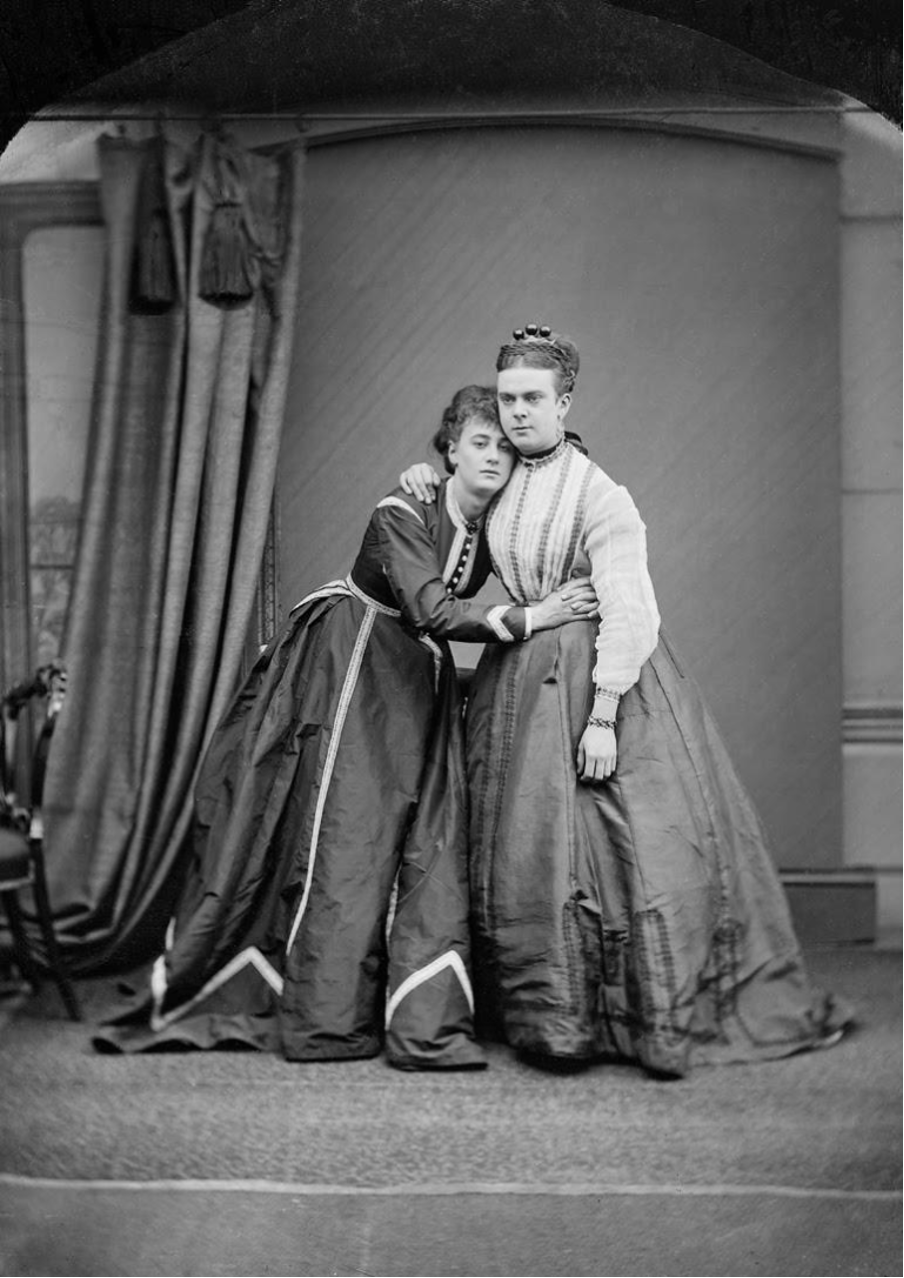
By looking at the experiences of couples such as Thomas Ernest Boulton and Frederick William Park, known as ‘Stella’ and ‘Fanny’ (above and left), we are able to unlock an entire world in which LGBTQ+ people persisted in expressing themselves, flouting gender norms despite the danger of arrest.
Meanwhile, Herman Melville and Oscar Wilde, both literary heavyweights of the time, demonstrate that LGBTQ+ experiences informed elements of popular culture: rather than being snuffed out, LGBTQ+ people were key to Victorian society and culture, despite persecution. This era is a multifaceted story of persistence for LGBTQ+ people: an era where heartbreak was political.
