
Global Sustainable Development News
Blog post: Warwick Africa Summit 2020
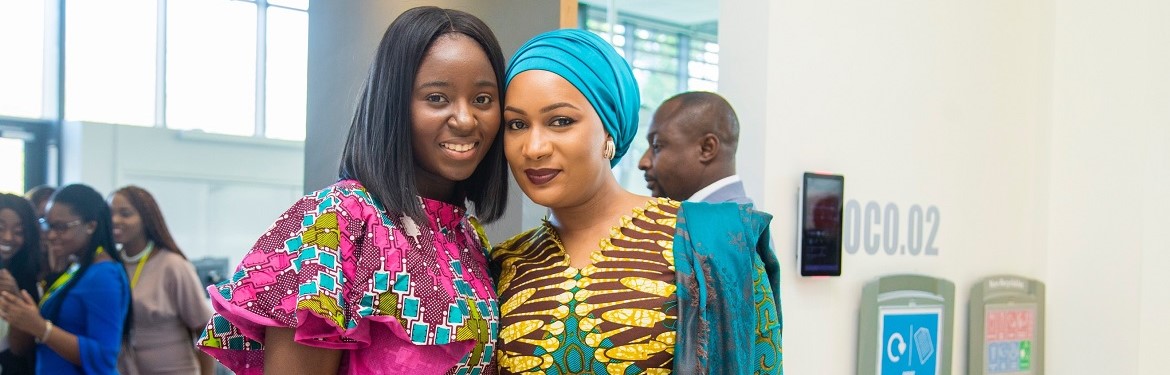
L-R: Seiwaa Osei Afriyie, H.E Samira Bawumia (Republic of Ghana)
On 25-26 January 2020, the Warwick Africa Summit 2020 took place in the Oculus Building at the University of Warwick. The Warwick Africa Summit is an interdisciplinary conference focused on African development and is solely organised by students. Students from the GSD Department were part of the team behind the Warwick Africa Summit 2020, including final year Sociology and GSD student Seiwaa Osei Afriyie (President of the Warwick Africa Summit), second year Single Honours GSD student Taigh Adebajo (Co-Director of Finance) and second year Single Honours GSD student Trinity Awelo (Logistics). As President of the Warwick Africa Summit, Seiwaa has put together her highlights of the event.
Dr Stephanie Panichelli-Batalla to run session for short course on oral history

In November 2020, Head of School for Cross-faculty Studies Dr Stephanie Panichelli-Batalla will run a four-hour-long session on her research on Life Stories of Cuban Internationalist Healthcare Professionals. The session will be for a course titled "Fuentes orales para la investigación en artes y humanidades" (Oral sources for research in arts and humanities).
The course will be offered to PhD students of the Universidad Autónoma de Madrid working in the Arts and Humanities field and who are interested in working with oral sources but have not yet received any training to do so.
The short course on oral history is a result of a successful funding application by colleagues at the Universidad Autónoma de Madrid, Dr Particia Mayayo and Dr Neomi Deharo.
Energising development studies research with accelerometer devices: Assoc Prof Giacomo Zanello at the SCFS Seminar Series
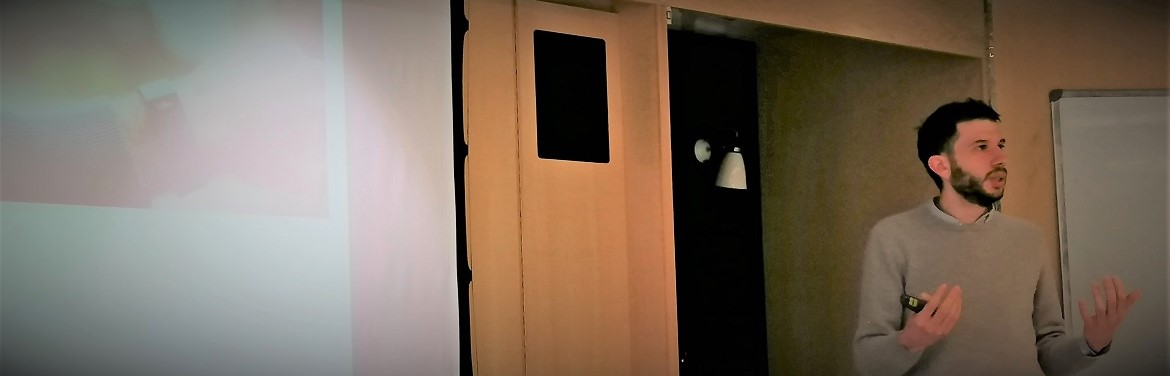
Photo credit: Marco J Haenssgen
An inspiring session in the School for Cross-faculty Studies Research and Pedagogy Seminar was delivered last week by Assoc Prof Giacomo Zanello from the University of Reading. Highlighting research using novel FitBit-like accelerometer devices in Ghana, India, and Nepal, Dr Zanello demonstrated how new forms of digital and sensor-based data collection can improve our understanding of people’s energy expenditure profiles during a day and across the seasons.
GSD student promotes upcoming art exhibition on the radio
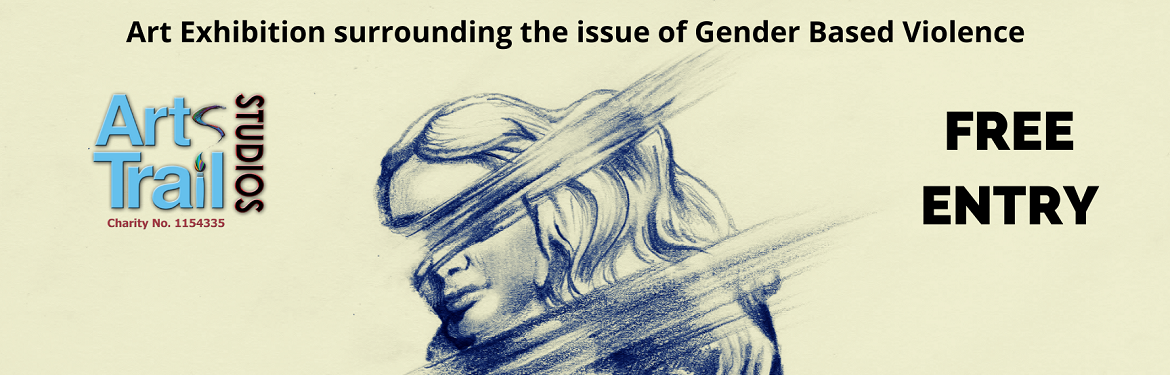
Maddie Booth, a third year PAIS and GSD student was on Hillz FM radio station this morning on 'Kate's show' to discuss and promote her upcoming art exhibition titled: "Stand Up, Stand Back, Stand With". The art exhibition is going to be on from 3 March 2020 until 22 March 2020 at The Arts Trail Studio, Leamington Spa. The exhibition is surrounding the issue of domestic violence and seeks to raise awareness for the issue as well as raising money for three charities who support survivors: Coventry Haven, RSVP and The Survivors Trust.
Find out more about the event here and you can also donate to Maddie's JustGiving page to help support her work.
You will be able to find a recorded version of the live radio broadcast on Hillz FM soon!
GLOBUS: Celebrating two years of publishing and new Editor in Chief
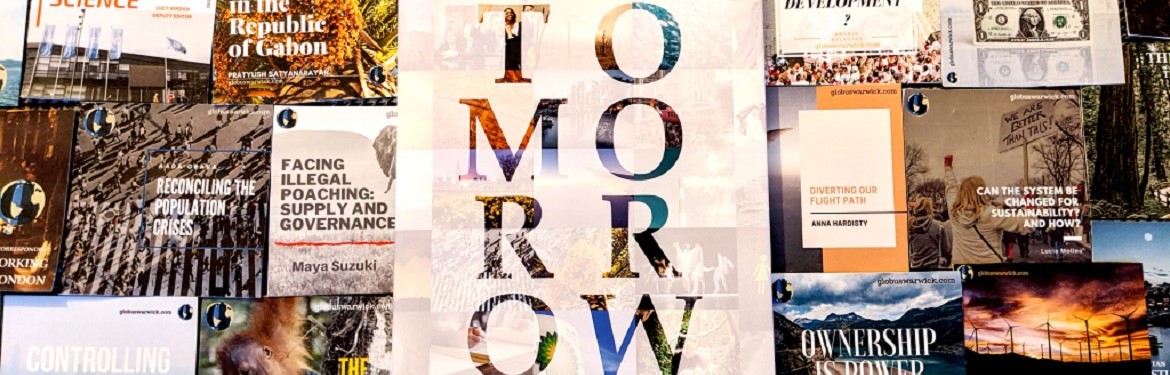
The end of last month marked two moments in GLOBUS' history as the Editor's Edition of the student-run sustainability journal went on sale and Todd Olive stepped down as Editor in Chief. GLOBUS was founded in early 2015 by staff from the School for Cross-faculty Studies and was taken over by students in September 2016.
Funding success for Dr Stéphanie Panichelli-Batalla: Memories of Binley Colliery Project

Photo credit: Warwickshire County Record Office, PH350 269a
Dr. Stéphanie Panichelli-Batalla, the Head of School for Cross-faculty Studies is part of a team that has successfully secured funding for a Public Engagement project at the University of Warwick. The project is being supported by Warwick’s Public Engagement Fund, designed to assist researchers of all levels to undertake projects or activities that build upon their public engagement experience and impact.
National Student Survey now open to finalists
Your feedback helps to shape our GSD courses and the wider University at Warwick for future generations
- NSS is a national survey of final-year undergraduates at all UK universities, run independently by Ipsos Mori
- The survey asks for your views on your whole course and covers teaching, assessment, resources and support
- You'll be able to claim £5 credit on your Eating at Warwick card for completing the survey
- The survey is open from Monday 3 February 2020 and takes ten minutes to fill in
- Your personalised link will be emailed to you on Thursday 6 February 2020 or go direct to thestudentsurvey.com
NSS is a really important way for you to reflect on your experience as a GSD student. It’s a great opportunity to think about what you found productive or enjoyable, and it's a chance to make suggestions for our continuous development. We take your responses seriously: in the previous NSS survey, GSD students told us that they would benefit from improvements around employability. In response to this our dedicated Placement and Employability Manager is putting in place resources, meeting with students and running sessions designed to enhance employability skills.
For example, next week the first School for Cross-faculty Studies Work Placement Fair will take place on Tuesday 11 February, from 4-5:30pm in The Oculus, room OC0.01. Students from all years within the School for Cross-faculty Studies are invited to attend. This event is designed to improve your employability skills by giving you the opportunity to network and gain a better insight into work placements. You'll have the chance to learn first-hand from students about their work placement journey which will support you in shaping your future career.
To find out more about NSS and how your feedback can make a difference to the University, please see here
Global Entrepreneurship Week 2019
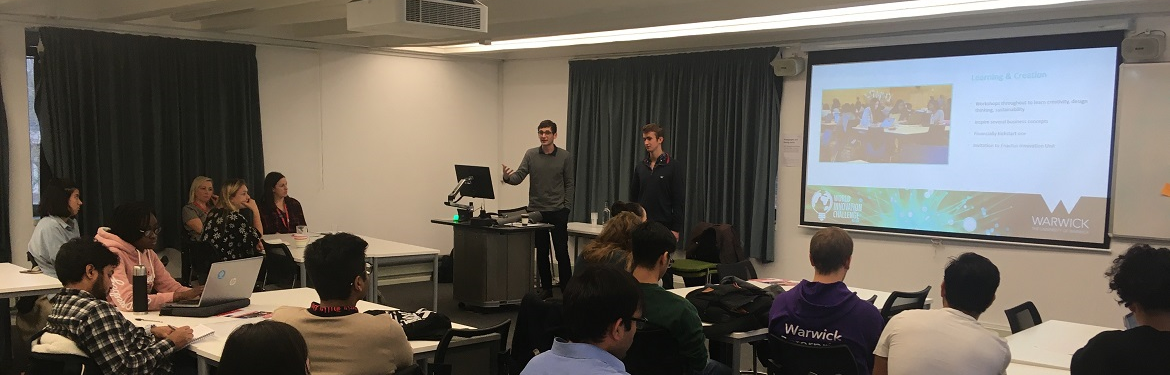
Global Entrepreneurship Week (GEW), the world's largest campaign to promote entrepreneurship, took place at the end of last year from 18-24 November. To celebrate this week, Warwick Enterprise hosted and co-hosted a number of student-focused and student-led events on campus.
As Innovation Fellows, students in Global Sustainable Development (GSD) and Liberal Arts were actively involved in running the events on campus, as well as writing content for the Warwick Enterprise website, promoting Warwick Enterprise around the University and attending events themselves.
Upcoming Event: SCFS Work Placement Fair
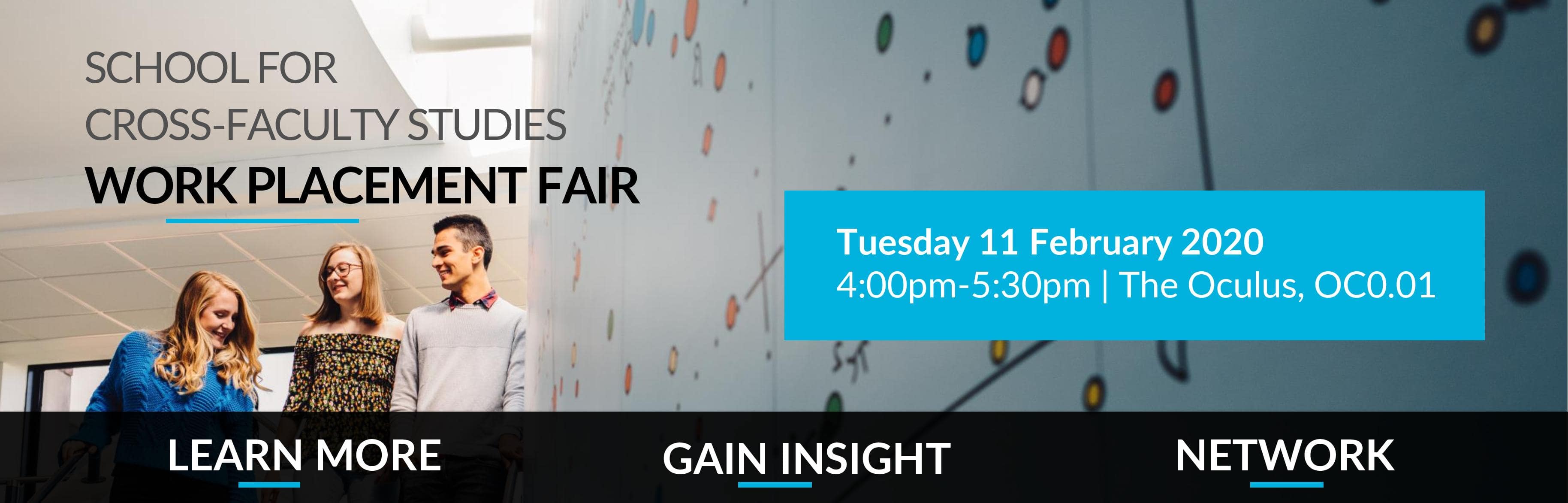
The School for Cross-faculty Studies (SCFS) Work Placement Fair will be taking place on Tuesday 11 February 2020, 4:00pm-5:30pm, The Oculus, room OC0.01.
Double funding success!
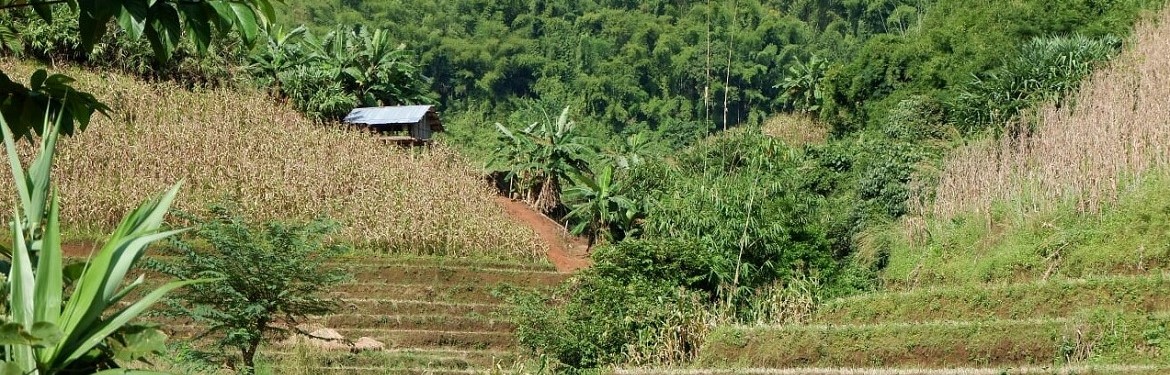
Image credit: Dr Marco J Haenssgen
Supporting idea generation and research design for a project on behavioural spill-overs in Thailand, the Institute of Advanced Study and the Warwick Interdisciplinary Centre for International Development have awarded £3,150 and £950 to a research team around Global Sustainable Development (GSD) Assistant Professor Marco J Haenssgen.