
WMG News - Latest news from WMG
Prof. Lord Bhattacharyya building shortlisted in the RIBA regional awards

The Prof. Lord Bhattacharyya building, home of the National Automotive Innovation Centre, based at the University of Warwick, has been shortlisted in the RIBA West Midlands regional awards.
For 50 years the RIBA awards and prizes for buildings have championed and celebrated the best architecture in the UK and around the world, no matter the form, size or budget.
The National Automotive Innovation Centre is a partnership between WMG, University of Warwick, Jaguar Land Rover, and Tata Motors, and is the largest of its kind in Europe and is well timed, arriving when a global mobility revolution is underway, with a new age for transport mobility.
A beacon for automotive research it brings together the brightest minds from industry and academia, to develop future vehicles and mobility solutions. It is home to up to 1,000 staff working across design, engineering and research, as well as future engineers on degree programmes.
Designed by Cullinan Studios the brief for the Centre was for simplicity and strength of purpose, turning a complex assembly of spaces into an immediately legible building.
One of 11 building shortlisted in the West Midlands, see the full list https://www.ribaj.com/buildings/regional-awards-shortlist-2020-west-midlands
The National Automotive Innovation Centre is a £150m investment between WMG, Jaguar Land Rover, and Tata Motors with £29.5m funding from the UK government’s UK Research Partnership Investment Fund through Research England, which includes the development of an Advanced Propulsion Research Laboratory.
STEM support for home schooling
WMG’s Outreach Team, with support from the WMG centre HVM Catapult staff, have been helping children with fun and creative STEM activities to help with home schooling.
With schools currently closed, the Team have been working hard to create educational resources highlighting the value of engineering for children of all ages.
WMG Outreach Project Officer, Dr Phil Jemmett, has also taken part in the last two Global Science Shows, an initiative that brings together science activities and experiments from all over the world, live on Twitter.
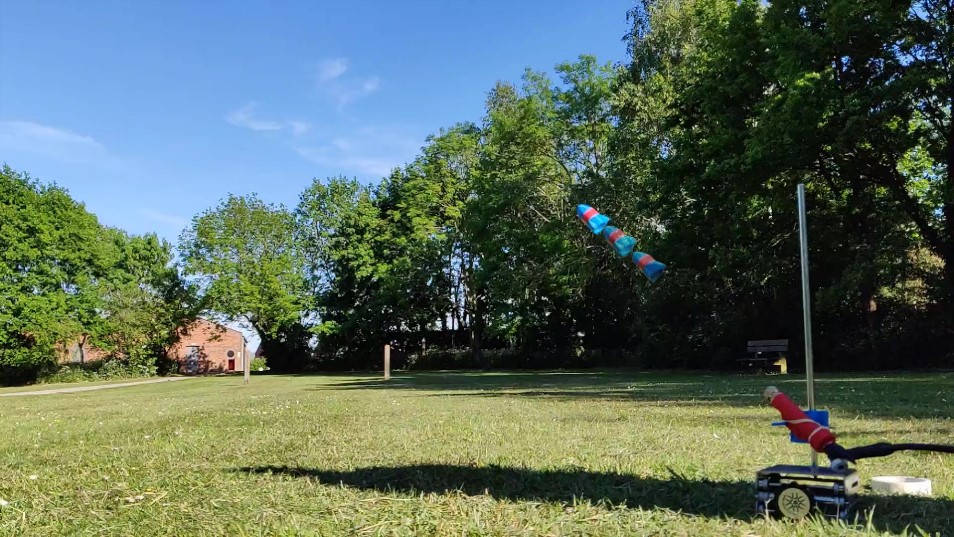
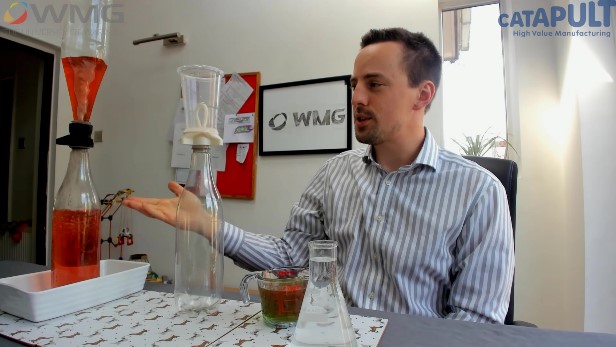 In the first show, Phil demonstrated three separate science experiments, exploring density and floating, using 3D printed parts in just two minutes. In the second show Phil showcased the classic bottle rocket launch! However this time, instead of using a cork to hold back the pressure, the launcher used a rupture disk which acts as an important safety feature on some industrial equipment.
Why Outreach?
“Coventry and the wider Midlands has a proud engineering history – take Sir Frank Whittle as an example. Hearsall Common features a plaque paying homage to a moment in history when Frank, as a child, saw a plane land on that field. He went on to pioneer the jet engine, receive a knighthood, give lectures at NASA and be voted amongst the top 100 Britons of all time. Quite the list of achievements! But each great journey starts with one small step, and the motivation to take that step,” explains Phil.
He adds: “At WMG, we take part in inspiring and amazing work that deserves to be shared and spread to young people in the area. The power of our research to inspire and motivate the next generation of children, by giving them an experience just like Sir Frank’s watching the plane land at Hearsall Common, is immense. While the demonstrations in the Global Science Show videos are only small we are not aiming to invent the next jet engine with each one – we are hoping to provide the spark that kindles a burning passion in a young person to succeed in engineering.”
Home schooling support
You can find all the WMG home schooling activities including video demonstrations at WMG Experiments and the Engineer Inside.
Dr Siddartha Khastgir re-elected to the IMechE Council of Members
WMG’s Head of Verification and Validation for Intelligent Vehicles, Dr Siddartha Khastgir, has been re-elected to the IMechE Council.
The results were announced at the Institute’s AGM on Wednesday (27th May).
 Dr Khastgir said: “I am excited and honoured to be re-elected to the IMechE Council of Members. As a society, and as an Institution, we are in a critical juncture, and it is important to ensure that we re-think the future of the engineering profession. We need to be creative in our new approaches -addressing the challenges of education and manufacturing which the pandemic has highlighted.
“I have volunteered at the Institution for over 11 years now, and I am honoured to be given this opportunity, by wider IMechE membership, to be part of this journey and work with fellow Council members and IMechE Trustees.”
WMG hosts virtual lunches with key industry experts
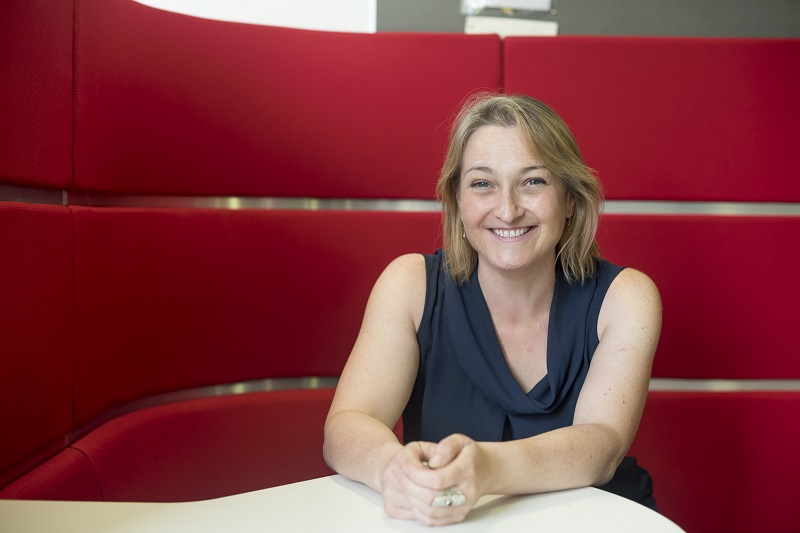 WMG’s Associate Professor, Mairi Macintyre, is hosting a series of special 'Lunch with…' seminars, during May and early June, where she'll be chatting to senior leaders from academia and industry.
The prestigious line-up includes experts from a mix of sectors including aerospace, engineering, entertainment, energy, finance, travel and education. Companies represented include Rolls Royce UK, Innovate UK, Hong Kong Disneyland, National Grid, and many more.
The experts will be sharing their insights and experiences of crisis management including their responses to the COVID19 pandemic. They will also share their future predictions and challenges for the recovery period.
Mairi explained: “I’ve worked at WMG for 20 years and have had the privilege of growing strong, professional and personal friendships with many industry-thought leaders – a privilege I think many of us, working at the University of Warwick, have and one I felt needed to be shared.
Many of those taking part already speak regularly to students on our Master’s programme, and also help to inform how the different courses are developed. These insights, reflections and predictions contribute in a meaningful way to the bigger conversations we are all having now as we determine the new normal.”
The ‘Lunch with…’ episodes are broadcast live to the University of Warwick community, with recordings then added to WMG’s You Tube channel here.
The UK public want the NHS to be controlling body in Covid-19 contact-tracing app – says new research
The public have massive trust in the NHS, who should have control and access to data in the Covid-19 contact-tracing app, according to new research by researchers in WMG at the University of Warwick, and at the University of Birmingham.
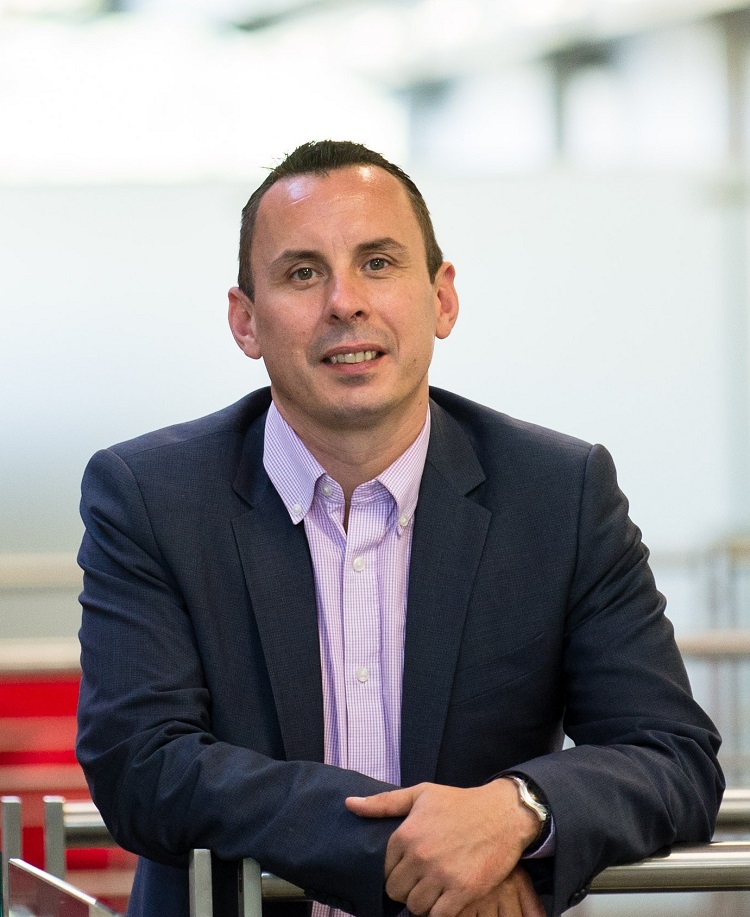 Carsten Maple, Principal Investigator of the NCSC-EPSRC Academic Centre of Excellence in Cyber Security Research and lead for the Cyber Security Global Research Priority said:
"With all of the possible design choices for a contact-tracing app, many commentators and experts have argued which approach is in the best interests of the public. For example, some have argued that centralised apps create privacy invasions that are unacceptable; others have argued that to be effective the apps should be centralised. However, as yet, the opinions of the public have not been gathered and so we have undertaken a significant survey to elicit their thoughts. We have examined how important privacy is to them and how willing they are to engage and share information."
Dr Rebecca McDonald, lecturer in experimental economics from the University of Birmingham said:
"The first encouraging results of our study are that only 9.6% of the public always chose to opt out of using the contact tracing apps we described to them. We asked people to express a direct preference between controlling the pandemic or preserving privacy, and we found that over half (57.4%) of participants favoured prioritising controlling the pandemic over privacy, contrasting with around a fifth (20.1%) favouring protecting privacy over controlling the pandemic."
However the most powerful and important result from the survey was the contrasting degrees to which participants trust different agencies or individuals with their data, even when anonymised. The group least trusted to be given access to this data was other app users but by far the most trusted group or organisation was the NHS.
Professor Carsten Maple in WMG at the University of Warwick said:
"It is clear that the NHS enjoyed overwhelming trust in terms of access to personal data collected by such apps, even when anonymised. Surprisingly, respondents’ choices suggest they would be most concerned about the decentralised approach that protects from Government access to information and instead shares information among other app users. The results indicate that users want a centralised approach, like the one currently being adopted by NHSX.
"Our research clearly shows that the public is broadly supportive of the use of a COVID-19 contact tracing app and would download it in significant numbers, providing the app providers listen to their wishes on who should have access to their data. The NHS is by far the most trusted gatekeeper for that data."
The table below shows in percentage terms how much more willing people are to use an app when their data is shared with different organisations (as in a centralised approach), compared to when it is shared with other app users (as in a decentralised approach).
|
NHS |
70.5% |
|
Researchers |
53.4% |
|
National Government |
18.9% |
|
Local Government |
13.0% |
The research highlights that people have a strong desire to understand the way a contact tracing app would work, and many respondents said they would need control over what data is shared about them, and who it is shared with, before they would be willing to download the app. Since widespread uptake is needed for the app to be effective, addressing these potential barriers has to be at the heart of any large-scale roll out of the contact tracing app. The appetite is there, but the public need transparency in order to trust, download, and use the app.
The research also found that public would also have concerns about linking proximity data to other data sources. (They were particularly concerned about the linkage of their shopping location from credit/debit cards data. Some also had concerns about practical things like the impact on their phone’s battery life, or the amount of data the app might need to use.
The researchers surveyed 2,171 members of the UK general population in a nationally representative sample and have published that research in a paper entitled “Speak for Yourself! Attitudes to contact tracing applications in the context of COVID 19: results from a nationally representative survey of the UK population” at: https://github.com/carstenmaple/SpeakForYourself.
NB the paper has not been peer reviewed but has been published now due to the urgency of the issues it examines.
ENDS
How COVID19 could spark world-wide mobile consulting boom
Researchers, from WMG’s Institute of Digital Healthcare (IDH), believe that remote consulting practices should be adopted widely during the COVID-19 pandemic to help low and middle income countries to help combat the virus, and to provide quality healthcare to patients in the long-term.
By implementing remote consulting practices - such as by mobile phone or mobile app - to maintain services during the COVID-19 pandemic, health services in countries in Africa and South Asia could provide communities permanent access to healthcare that they previously struggled to access.
Researchers, at the University of Warwick and King’s College London, have developed and implemented a training course with St Francis University College in Tanzania designed to equip nurses, doctors and medical officers in leadership roles with the knowledge and skills to integrate remote consulting into practice in their local service. It is based on research recently published in the journal Digital Health that provides a framework for healthcare leaders to consider how to implement it in their own services. The training takes the form of a short course using blended learning through an app on a smartphone and facilitated through social media. These healthcare leaders cascade the learning to other health workers in their service.
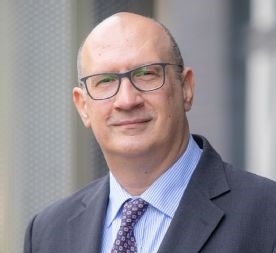 Professor Theodoros N. Arvanitis, Director of the Institute of Digital Healthcare, WMG at the University of Warwick and one of the co-authors, commented: “Digitally-enabled approaches to remote consultation provide the way forward in the new reality we are living. The COVID-19 pandemic has changed the way we will receive health care in the future, manage our health and wellbeing and go about our daily lives. Remote consultation and digital health solutions provide multiple benefits to individuals and society. Through such approaches, now and in the future, people’s health journeys are better understood and appropriate lifestyle choices can be better tailored and promoted to the individual.”
Using mobile technology to see patients is part of the World Health Organisation’s COVID-19 response strategy, but detail there is limited. The researchers have put together a policy brief written in response to the COVID-19 pandemic to raise awareness of remote consulting and encouraging healthcare leaders in low to middle income countries to undertake the training and disseminate the knowledge within their local health service.
Professor Frances Griffiths from Warwick Medical School, and lead author of the paper, said: “Moving healthcare workers in low to middle income countries to remote consulting is something that we think is really important to consider.
“In the context of COVID-19, the benefits of remote consulting are suddenly much greater. It protects the health worker and minimises physical contact with patients. It minimises the risk to patients. As a result, it also reduces the need for PPE.
“For communities with little healthcare, this is a better way of providing good quality healthcare for them. For people who live anywhere who have a long term condition, it is so much more convenient for them if we can do as much as possible remotely.
“I think it will embraced more widely and I think it should be. What COVID-19 has done is made people realise that they can do it differently. The experience of COVID-19 in the UK is ahead of Africa and South Asia, but if we can get remote consulting off the ground there because of the pandemic then the benefits will be seen afterwards. Particularly for long-term conditions and marginalised communities, although there can be benefits for acute illnesses as well.”
Read ‘Mobile consulting (mConsulting) and its potential for providing access to quality healthcare for populations living in low-resource settings of low- and middle-income countries’ published in Digital Health, here: 10.1177/2055207620919594
Work begins on autonomous vehicle trial route
Work has begun on the 300km Midlands Future Mobility test environment - spanning from Coventry to Birmingham, which will see autonomous 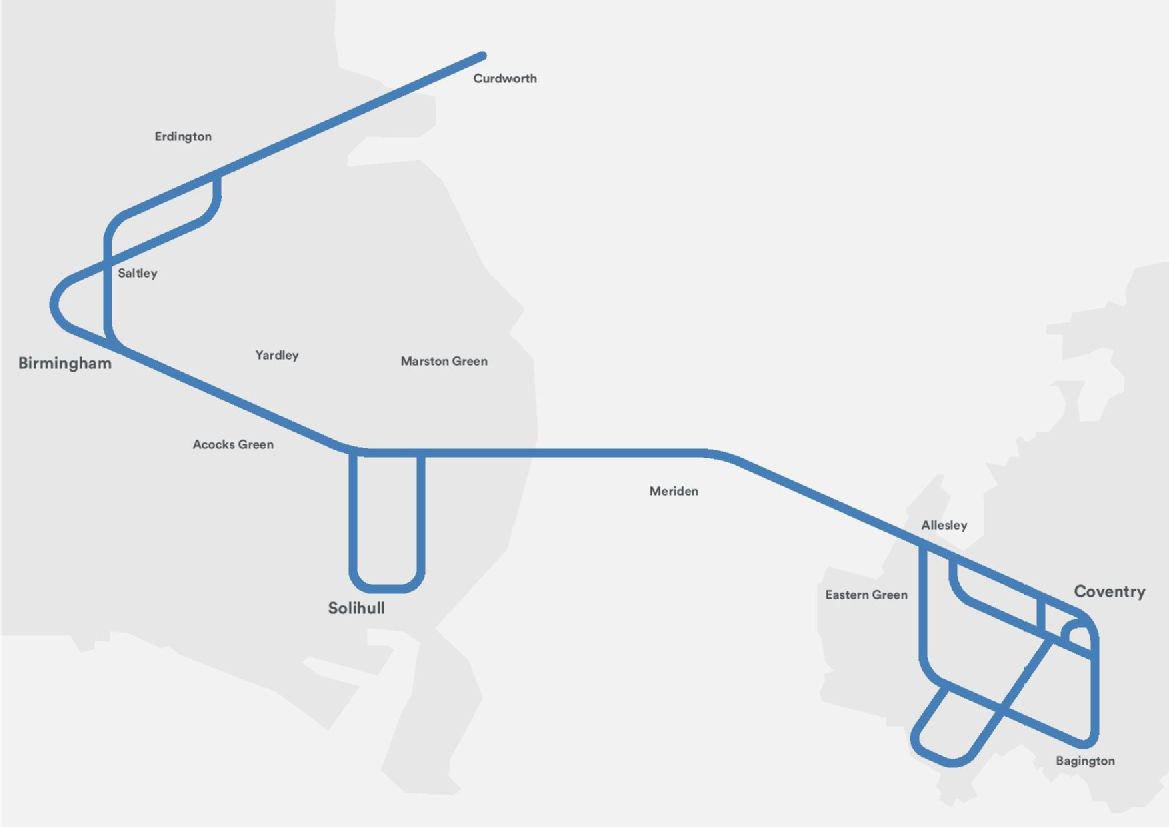 vehicles trialled on urban, rural, suburban and highway roads. The project is run by a consortium of companies including WMG, MIRA, Transport for West Midlands, Costain, Amey, Wireless Infrastructure Group, Vodafone, Coventry University and Highways England.
The autonomous vehicle industry is estimated to be worth up to £62bn to the UK economy by 2030, and hoping to lead the way to autonomous vehicles is the West Midlands, as WMG, University of Warwick begins work on autonomous vehicle testing routes.
Autonomous vehicles will be trialled along the Midlands Future Mobility route, the route has been developed by TfWM in collaboration with Coventry City Council, Birmingham City Council and Solihull Council and provides over 300km of inner city, suburban and rural roads from Coventry to Birmingham, on which to fully assess vehicle performance in a wide range of real world locations and situations.
The first types of vehicle to be trialled along the route will be “connected” vehicles. Connected vehicles can ‘talk’ to each other and warn of traffic, crashes and other hazards that other connected vehicles may have seen or be heading towards.
The vehicles on the Midlands Future Mobility route will not be driving themselves during the early stages of research, initially they will have a driver and occasionally a second person monitoring how the vehicles are working. All testing will be as safe if not safer than current vehicles on the road.
The route includes infrastructure such as smart CCTV, weather stations, communications units, and highly accurate GPS.
In the future autonomous vehicles will be trialled on the route, however these will also be closely monitored by safety operators ready to take over immediately in the event of a problem. These autonomous vehicles will appear gradually as more and more advanced “Driver Assistance” systems are tested paving the way, such as lane centring and auto-speed limiting technology.
The route itself causes no disruption to drivers or the homes along it, as it uses existing road infrastructure 95% of the time. Phase one of the route includes the University of Warwick, Coventry ring road, roads in Meriden, Solihull and central Birmingham around the Jewellery Quarter.
Later this year the route will be extended to include rural and highway roads and span up to 350km.
Project consortium member Costain and contractor Siemens Mobility have begun work on the route, which will officially open for trials later this year. Both firms, are of course, practicing social distancing in the construction of important technical features such as CCTV networks along the route.
John Fox, Project Director, Midlands Future Mobility comments: 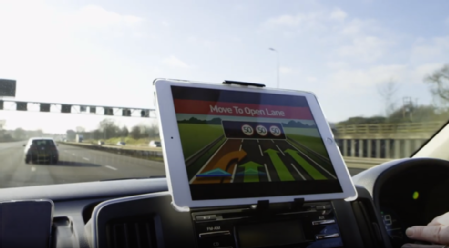
“It is great to see that work has begun in making roads a more connected place, where drivers can make their journeys more safely and where goods can be delivered more efficiently.
“The West Midlands has a rich history of the automotive industry, and to see it is now progressing into Autonomous vehicles feels somewhat momentous.”
Mayor of the West Midlands Andy Street, who leads TfWM, said: “Connected and autonomous vehicle technology has the potential to radically change our lives, and I am pleased the West Midland is leading the way in this sector with research facilities and production plants already in place.
“I am determined our region will become a global leader in electric and autonomous vehicle technology, as I know we have the skills, facilities, and drive to compete with any other city or region in the world.
“Seeing our roads being used as a test bed for this new technology is both exciting and a step forward, and this vital research will help pave the way to bring key investment and jobs to the region as we look to bounce back from the COVID-19 crisis.”
John Batterbee, Technology Solutions Director, Costain Group comments:
“At Costain we’re excited about how our ambitious work together with our market leading partners in the Midlands is enabling safer, cleaner and faster journeys. Today is a key milestone in starting to deploy the advanced infrastructure technologies we’ve developed over the last couple of years that are putting the UK at the forefront of the global mobility revolution. The cameras and video analytics we’re deploying will, for example, save lives by enabling drivers to be alerted to hazards beyond the line of sight.”
Wilke Reints, Managing Director of Intelligent Traffic Systems for Siemens Mobility in the UK, comments:
“We are proud to have been contracted to undertake work on this project. With CAVs offering huge potential to improve safety, reduce congestion and help optimise traffic flow, this project is a further demonstration of the UK’s capabilities in this exciting and fast-moving sector. It allows us collectively to demonstrate how smart technology enables vehicles to be connected via high-speed, high-capacity wireless infrastructure across a whole road network.”
Woven Light Rail Design wins Gold at JEC World 2020 Innovation Awards
The BRAINSTORM project, which saw partners from Far-UK, Composite Braiding, TDI and WMG at the University of Warwick create a woven braided 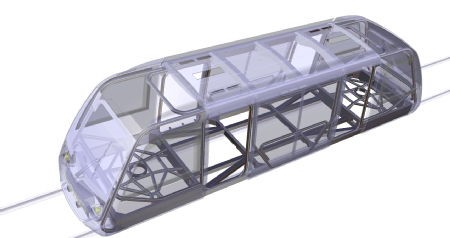 carbon fibre composite frame for a Very-Light Rail (VLR), has won gold at the JEC World 2020 Innovation awards in the Category “Railway Vehicles and Infrastructure.”
The JEC World 2020 Innovation awards is the world’s leading international composites show, the awards ceremony took place virtually, and saw researchers working on the BRAINSTORM project take home gold in the category “Railway Vehicles and Infrastructure.”
The Innovate UK funded project started in 2018, and engineers from Far-UK, TDI, Composite Braiding and WMG, at the University of Warwick set out to make a lightweight VLR vehicle frame, which is braided from carbon fibre composites into a series of tubes. They created their first prototype demonstrator frame in May 2019, which drew attention from the then Parliamentary Under Secretary of State and Minister for Business and Industry, Andrew Stephenson.
The frame is unique as it can be easily assembled by adhesive and simple welding, and can be repaired if damaged, and recycled or reused in other structures at its end of life.
Dr Darren Hughes Associate Professor in Materials and Manufacturing at WMG at the University of Warwick explains:
“It is an honour to have won at the JEC World 2020 Innovation awards, we have worked incredibly hard to create an innovative frame offering significant weight-saving that can allow VLR light rail services to operate in a more sustainable way. Reduced mass leads to a lower requirement for power for propulsion and also lowers the stress placed on the track system. This can also open up significant cost savings in light rail systems.”
“The technology also ensures that the vehicle is tough for a long life in service, easily repairable and strong enough to protect the passengers on board.”
Dr Kevin Lindsey of Nottingham based lightweight structural composite components company Far-UK Ltd said:

“To have our achievements acknowledged and awarded is validation of our ongoing research into lightweight structures. The design process that we used allowed the development of the ultralight yet safe structure. We are now ready to take structures such as these into higher volume in our new manufacturing facility.”
Steve Barbour of Derby based specialists in thermoplastic braiding company Composite Braiding Ltd said:
“It is great that the technology we have been developing has helped lead to such a fantastic outcome. Braiding at rates of over a mile a day, we have a highly automated process that is capable of producing high volume, lower cost structural components that are inherently recyclable. It’s fantastic that the potential has been recognised.”
Paul Salkeld of TDI (Transport Design International) based at Stratford-Upon-Avon adds:

“The braiding method can be used with a wide range of materials including carbon, glass, basalt and aramid. We hope this can revolutionise the design of future transport, and are actively involved particularly in the rail sector to produce more economical and environmentally beneficial vehicles.”
Autonomous Vehicle safety standards to be set by Warwick academic
· 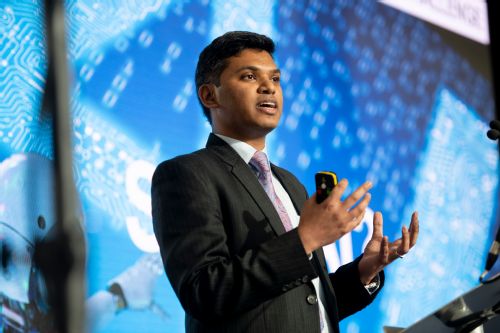 Autonomous Vehicles safety will be tested by researchers at WMG, University of Warwick – thanks to a seven year UKRI Future Leader Fellowship awarded to Dr Siddartha Khastgir, worth £1.2m.
Connected autonomous vehicle technology prototypes have existed for some time, however questions around the safety of this technology from the public and industry who want to commercialise these technologies has blocked it from developing.
The future with CAV has to be more reliable, more efficient and less risky. So safety testing is essential to informing people’s opinion about this new technology.
In order to prove that CAVs are safer than human drivers, it’s been suggested they need to be driven for more than 11 billion miles. However, instead of the number of miles, it more important to focus on the experiences of the CAV in those miles to identify any smart miles which expose failures in CAV.
Dr Khastgir’s fellowship will therefore develop pioneering testing methodologies and international standards to enable robust and safe use of CAV, particularly focusing on creating both fundamental knowledge and applied research methods and tools.
WMG, University of Warwick, has created a concept of the “evaluation continuum” for CAV, which involves using various environment like digital world, simulated environment, test track testing and real-world for testing.
There are two aspects which are common to each of the evaluation continuum environments and also the focus areas of the fellowship research
1) Test Scenarios: exposing failures of the CAV
2) Safety Evidence: establishing how safe is safe enough?
As a part of this fellowship, three approaches will be explored to identify the smart miles which expose any CAV failures including:
· Using Machine Learning (ML) based methods including Bayesian Optimisation to create test cases for test scenarios
· Safety Of The Intended Functionality (SOTIF) (Innovative safety analysis of CAV) based test scenarios using Systems Theoretic Process Process Analysis (STPA)
· Translating real-world data into executable test scenarios for a simulation tool.
All these approaches will together contribute to the creation of a UK’s National CAV Test Scenario Database. Dr Khastgir has previously written about enabling British CAV deployment and the role of standards for the BSI (British Standards Institute), and hopes to build on the Fellowship research outcomes to build standards for national and international purposes.
Dr Siddartha Khastgir, from WMG, University of Warwick comments:
“The global Connected and Autonomous Vehicles (CAV) industry is estimated to be worth over £50bn by 2035, with the UK CAV industry comprising over £3billion of this, however questions around safety are always raised, by the automotive industry and the public.
“This hinders the process of commercialising CAVs, however my UKRI Future Leaders Fellowship to research the safety of CAVs can help Department for Transport, the automotive industry and the public to be reassured that they are safer than human drivers.
“I am incredibly grateful for the UKRI Future Leader Fellowship, as it puts the UK and the University at the forefront for research and development into the safety of CAVs.”
Margot James, Executive Chair at WMG, University of Warwick adds:
“WMG is very proud that Dr Siddartha Khastgir has been awarded a prestigious UKRI Future Leaders Fellowship (FLF). Through Siddartha’s research we can enable the UK to become a world leader in safe CAV deployment.”
Kirsty Grainger, Director, Future Leaders Fellowship Scheme adds:
“Dr Siddartha Khastgir is taking forward a really exciting project that supports the government’s Future of Mobility grand challenge. Through the Future Leaders Fellowships we’re not only delivering cutting edge research like this, but also investing in the individuals who have the potential be leading researchers and innovators in years to come. I am delighted that Dr Khastgir is part of the programme.”
Patients prefer their consent to share their data and to manage it digitally
Patients with diabetes often have to see many different stakeholders who each specialise in different aspects of their treatment. Researchers from WMG, University of Warwick surveyed patients on their understanding of how their data was shared, and found they would prefer to have it shared digitally using the Dovetail Digital consent application.
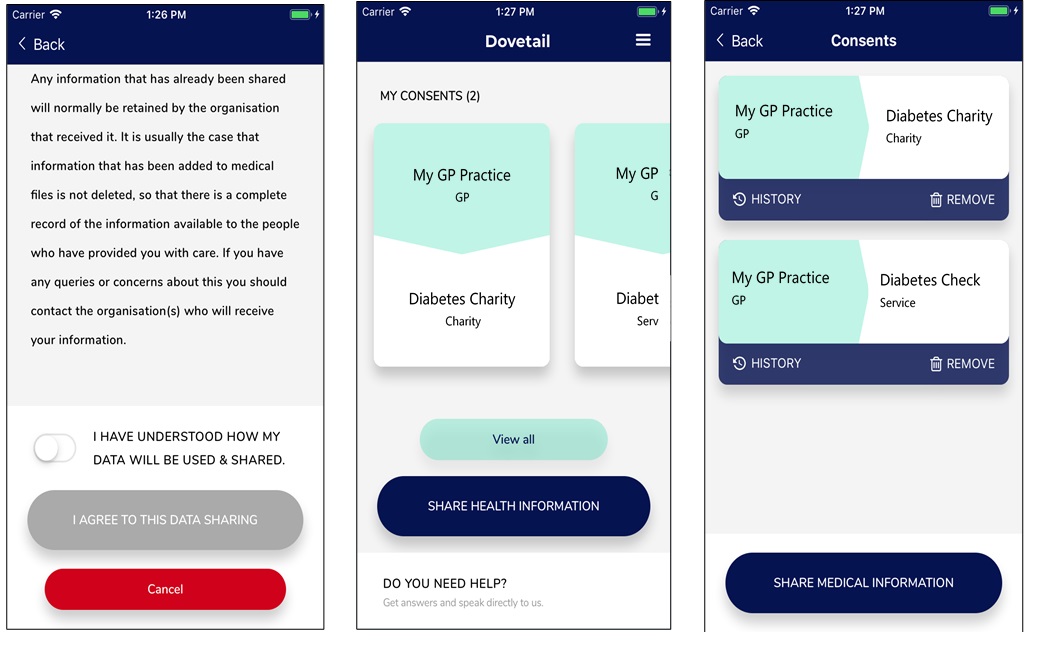 There are 4.7 million people in the UK live with diabetes, and will spend a lot of time visiting different specialist in different practices, who each specialise in some aspect of their treatment. Furthermore advances in digital technologies have resulted in innovative applications, which supported by healthcare professionals enable self-management, empowering patients to take control over aspects of their care. This requires a lot of data sharing, which is currently done by one practice requesting the medical records off another practice; with the need for doctors consent to share, this can be a long process to sign off. Furthermore, the process tends to be obscure with the patients forgetting the transfers for which they have given consent, as well not being very easy to revoke consent should the want so. The ability of patients to have control is one of the fundamental ethical and legal rights of the patient, and in many cases is difficult to balance against beneficial but data sharing intensive applications.
However, researchers from the Institute of Digital Healthcare (IDH) at WMG, University of Warwick propose that a new system called the Dovetail Digital consent application is favourable, and have analysed it in the paper; ‘Evaluation of patient perception towards dynamic health data sharing using blockchain based digital consent with the Dovetail digital consent application: A cross sectional exploratory study’, published in the journal Digital Health, SAGE Publications.
The Dovetail digital consent application is a robust, trusted and flexible mechanism for patients to offer their consent for their data to be shared between GP practices; they can also revoke consent at any point, therefore empowering them to manage their condition within an integrated care setting.
Dovetail sees a mobile application and blockchain-based infrastructure, meaning they can trace where their data has been shared. Blockchain is a state-of-the art technology originating in the financial industry, which has allowed implementing healthcare applications with the confidence and robustness found in the financial sector.
To survey whether it would work, IDH researchers asked 23 patients and 13 staff with diabetes, at a GP practice, to complete a series of questionnaires, followed by a focus group discussion, to determine their understanding of current methods to share data in a medical setting, and to see if they recall giving consent.
IDH Researchers then conducted a thematic analysis of the focus group transcripts and descriptive statistics of the questionnaires were performed.
Professor Theo Arvanitis, Director of the Institute of Digital Healthcare at WMG, University of Warwick explains what they found:
“We discovered there was a lack of understanding of existing consent processes in place, in fact many patients did not have any recollection of having previously given consent to their data being shared. When we asked them what they thought about the digital consent application patients overwhelmingly favoured the digital consent application over existing practice, as they recognised the value of the capability offered by the application.”
Dr George Despotou, Associate Professor at the Institute of Digital Healthcare and lead in the study comments:
“The study participants welcomed an application that would ultimately contribute to improving their quality of case, whilst maintaining control over their data. In particular the study participants acknowledged the clarity of the consent application, and the ease with which they could review, as well as revoke existing consents. This was a very promising study on a technology that may be opening the way for highly innovative applications improving quality and efficiency of healthcare services, which patients would welcome, assured that ultimately they are in charge of their data.”
IDH Researchers were able to conclude that the digital consent was received favourably as patients were able to recognise that it addresses the main limitations of the current process, but also acknowledged the traceability and transparency of the Dovetail app. Further research can now be conducted to see if patients across a wider demographic prefer the Dovetail Digital consent application, and if successful could revolutionise the way that patient data is stored and shared.
Paper available to view at: https://journals.sagepub.com/doi/10.1177/2055207620924949