
WMG News - Latest news from WMG
The future of cyber-security in connected and autonomous mobility analysed by WMG
The Cyber Security for Connected and Autonomous Mobility (CAM) has been investigated in a series of projects funded by the Centre for Connected and Autonomous Vehicles (CCAV) and supported by Zenzic and InnovateUK (part of UKRI).
Out of seven projects, WMG, at the University of Warwick was involved in three:
1. Positioning, Navigation and Timing (PNT) Cyber Resilience: a Lab2Live Observer Based Approach
2. ResiCAV

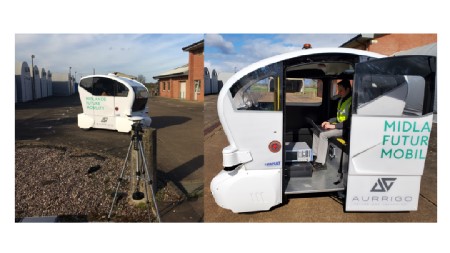 Each project was tasked with exploring innovative methods for measuring and monitoring cyber security, defining a set of requirements for a future Cyber Security facility/capability and understanding the commercial landscape for such a facility.
These 3 objectives were addressed across a number of different themes with Cyber for CAM: Monitoring, Threats to connected vehicle, networks, Threats to automated vehicles or Countermeasure and risk mitigation.
Dr Elijah Adegoke, from WMG, University of Warwick was involved in the PNT Cyber Resilience project. In collaboration with Spirent, key recommendations made to Government include that spoofing and jamming attacks on GNSS signals are capable of leading to severe loss of functionality and safety in CAVs; thus there is an urgent need to invest in independent facilities capable of seamlessly testing attacks on CAM PNT systems in both controlled laboratory and live environments.
Zenzic, the University of Warwick and Spirent now aim to work with standardisation bodies to guide the development of GNSS attack detection and GNSS resiliency assessment standards, and the responsible disclosure of information on threat actors and attack events.
Dr Adegoke commented: “To investigate jamming and spoofing in CAM PNT systems, a test facility needs to be able to quantify the resilience of a CAV against both radio frequency based and software attacks for diverse receiver operating systems and hardware architectures. Access to a drive-in anechoic chamber, such as WMG’s Communications and Sensors Lab in the Professor Lord Bhattacharyya Building, to allow the legal testing of over-the-air attacks is highly beneficial.”
 Professor Carsten Maple, of WMG, University of Warwick, was involved in ResiCAV and BeARCAT.
ResiCAV was led by Horiba Mira, and highlighted how connected and autonomous vehicles (CAVs) and their associated infrastructure can develop real-time responsiveness to cybersecurity threats, and highlighted the ‘urgent need’ for a national road transport cybersecurity programme in order for the UK to safely support CAV adoption across the transport network. Professor Carsten Maple comments:
“The ResiCAV project has proven that the UK could become a world-leader in automotive cybersecurity and vehicle resilience, however this can only be done if there is a collaboration between industry and the shared use of testbeds. The project has shown that cyber resilience can only be effectively achieved by developing a new engineering methodology. We have, with partners, started the journey to formalising the methodology, and provide the tools and techniques for achieving resilience through manufacture and operation.
“I hope this next step after this project is to see funding for the development of the ‘UK Centre of Excellence for Road Transport Cybersecurity Resilience’ to thrust the UK to the forefront of automotive cybersecurity.”
Professor Maple was also involved in BeARCAT, led by Cisco the BeARCAT project highlights that with the high infrastructure set-up costs and extensive overheads in the management of a test facility for automotive cyber security, the most cost-effective course of action is for a UK CTF (Cyber Test Facility) to be collocate with the existing testbeds. He comments:

“We are pleased to have developed a Security Framework for cyber security testing in the CAV ecosystem, including coverage of security threat modelling and risk assessment. Working with our partners we have defined mechanisms for communications resilience and provide a blueprint, based on the security framework, for testing certification. We hope these contributions will be helpful to the Government as it seeks to establish a world-leading capability in developing and assessing cyber security for automotive systems.”
All three projects prove the UK could be pioneering Cyber Security in Connected and Autonomous Mobility if companies within the industry work together to share resources and testbeds, which could bring autonomous vehicles one step closer to our roads.
DOWNLOAD NOW: Cyber Resilience in CAM – Cyber Feasibility Report: zenzic.io/cybersecurity/
ENDS
WMG Professor joins board of trustees at The Alan Turing Institute
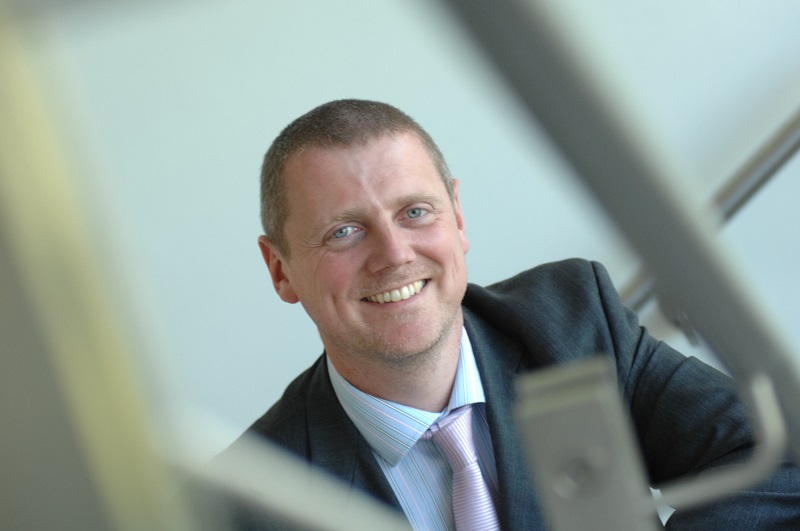 Congratulations to WMG Professor of Sustainable Materials and Manufacturing, Kerry Kirwan, who has been appointed as the new Trustee/Founder Director of The Alan Turing Institute.
Professor Kirwan said: “I’m delighted to join the board of trustees of the Turing Institute which is a British flagship for data and artificial intelligence that Warwick helped to found. The breadth, depth and real world relevance of the work that the Institution and its community carries out is amazing and, at these challenging times, critically important to the UK and the wider world – I’m really excited to be able to support them.”
The Alan Turing Institute is a national body championing data science and artificial intelligence research. It was created by five founding universities - Cambridge, Edinburgh, Oxford, UCL and the University of Warwick plus the EPSRC, with a further eight new universities – Leeds, Manchester, Newcastle, Queen Mary University of London, Birmingham, Exeter, Bristol, and Southampton – joining in 2018.
Following the Institute’s university expansion and the growth of its research programmes and partners, the Institute now counts over 400 researchers in its community. This includes Turing Fellows (the largest group, made up of senior academics spending a portion of their time at the Institute), Turing Research Fellows (independent researchers employed by a partner university and based at the Institute), Doctoral Students (full time or spending an ‘enrichment’ period at the Institute) and visiting researchers from academia, business and government.
Three WMG Professors are currently part of the prestigious line-up of expert Fellows. These are
Professor Carsten Maple, Professor of Data Science Giovanni Montana, and Professor of Marketing and Service Systems Irene Ng.
You can find out more about The Alan Turing Institute here.
Innovative partner awarded contract to develop very light rail trackform
 The Coventry Very Light Rail project is about to embark on a new adventure, investigating how to create a low cost trackform for the light rail carriages already in development, thanks to £1.5m funding from West Midlands Combined Authority (WMCA), secured by CCC. This project aims to revolutionise affordable public transport in towns and cities.
So far in the Coventry Very Light Rail project, Engineers from WMG, University of Warwick have worked with TDI to design a battery-powered light rail vehicle for Coventry City Council. The long term objective is that it will become an autonomous vehicle that can hold 50 passengers and work like the London Underground system, where there is no timetable and people can hop on and off.

The vehicle will be lightweight in design using a multi-material approach. Due to being battery-powered there will be no overhead power supply, which is both costly and unsightly.
However researchers are now about to embark on their next venture of the VLR project, as they have received £1.5m via CCC to develop a low cost trackform for light rail. Engineers at WMG will work with Coventry City Council and a major French civil engineering company - Ingerop Conseil et Ingénierie.
The ultimate goal of the track project is to design an affordable trackform that can be easily removed and will reduce impact on utilities, saving hundreds of thousands of pounds digging up roads and moving gas, electric, telecommunication and sewage systems, which is currently the process for building traditional tram systems.
Dr Darren Hughes, Associate Professor at WMG, University of Warwick comments:
“The Coventry light-rail project brings together advanced technologies from a number of sectors to deliver a low-cost environmentally-sustainable public transport solution.
“Now that the vehicles have been designed it is time to look at the track they will run on, and with the help of Ingérop Conseil et Ingénierie, we will make it as affordable and environmentally friendly as possible.”
Councillor Jim O’Boyle, cabinet member for jobs and regeneration said:
“Our plan for Very Light Rail has the potential to transform the way people travel. It will be delivered at a much lower cost than traditional trams, a hop on, hop off service part of the green revolution and of course its innovation born in Coventry.
“While the development of the vehicle is progressing well, we also need to innovate in the development of the track and that’s exactly what Ingérop will be able to help with. Experts in this field we will be setting them the challenge of designing track that that can be laid much more quickly and therefore much more cheaply than traditional track.
“Very Light Rail is a really exciting project. Another innovative first for Coventry and this is another important step in its delivery.”
Philippe-André Hanna, Director for International Transport in Ingérop said:
“We are delighted to join the team for the Coventry Very Light Rail. This project is an absolute need for small and medium cities who want to have a modern, carbon-free, rail-based system and cannot afford it today. After the R&D phase, our real goal as on all our projects around the World is to put in place the most sustainable urban transport system for Coventry and many more cities in Europe."
Tim Hackett, Infrastructure Director at Rendel Ltd said:
“We are really excited to be part of this project with our colleagues from Ingérop having already worked together successfully on some high-profile and complex rail projects. We look forward to collaborating on this innovative and technologically game-changing project, providing support from our new West Midlands office.”
Inspiring the next generation of scientists, mathematicians and engineers
WMG’s Outreach team has completed another successful series of Royal Institution Masterclasses for school children across Coventry.
The classes aim to open the eyes of young people to the excitement of engineering, and in turn, inspire the next generation of scientists, mathematicians and engineers.
Local schools were invited to nominate two year nine students to take part, with a total of 24 students participating in the sessions overall.
The Masterclasses were held on Saturday mornings in the form of interactive workshop sessions focusing on a different aspect of engineering. The Series was delivered by staff and students from WMG, with several of this year’s classes led by researchers working on key WMG HVM Catapult projects.
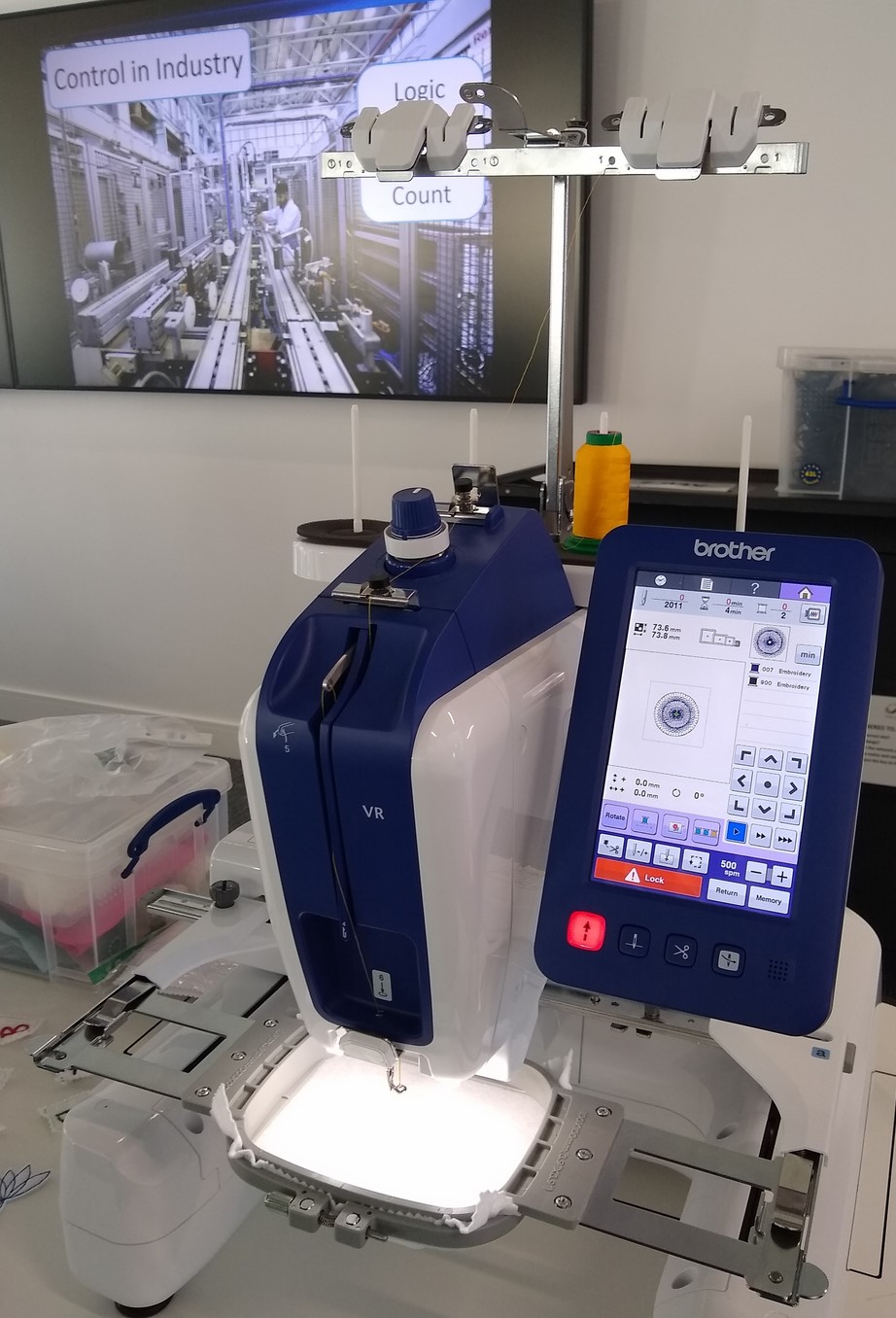 Professor Margaret Low, Director of Outreach and Widening Participation at WMG explained: “Sadly, due to the Covid-19 pandemic, the final masterclass focusing on software and control could not be held as an interactive session on campus.
“Instead myself and Helen Luckhurst, Project Officer at WMG HVM Catapult, held the final session virtually across two evenings.”
Professor Low added: “The virtual classes were a complete first for the Outreach team, a strange but still successful end to the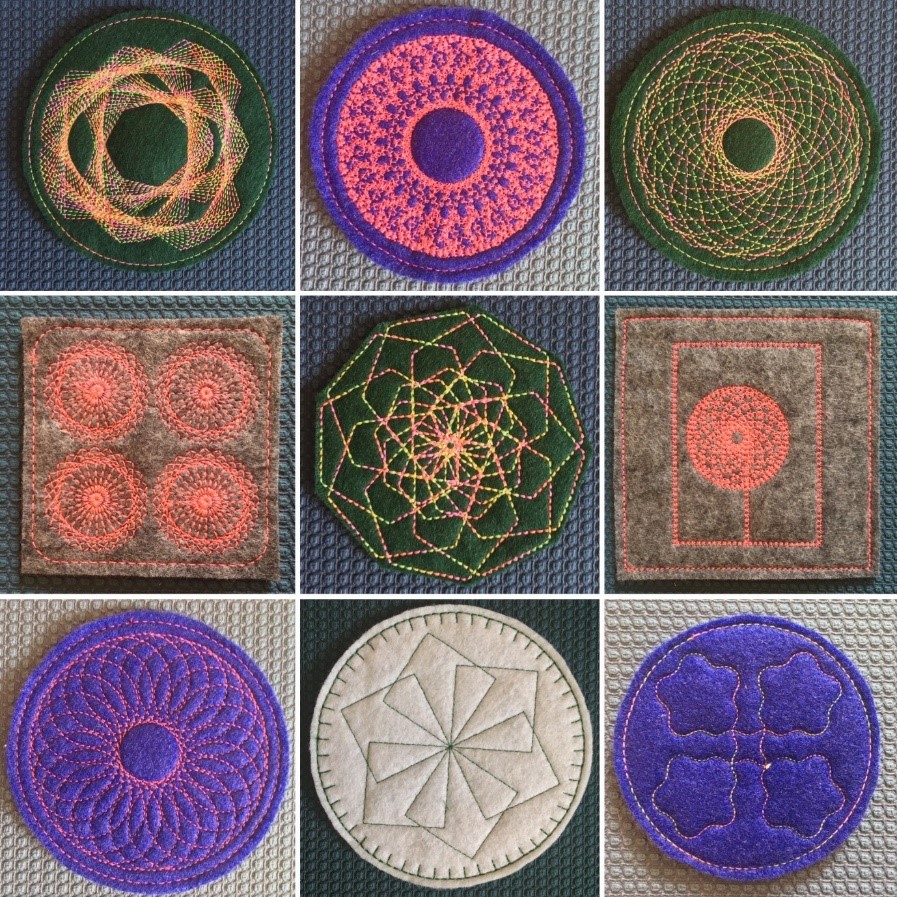 Masterclasses. We presented a series of video tutorials and the students then used their programming and pattern skills to create an embroidered pattern design for a coaster. There were some really great designs.”
Find out more about the 2020 RI Masterclasses here.
WMG lecturer deployed as army reservist to help Scotland fight COVID19
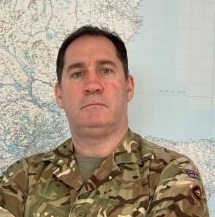 Major Gary Bilsbarrow, a Senior Lecturer at WMG, University of Warwick, has been mobilised as an Army Reservist to Edinburgh to use his expertise to support the Scottish Government and NHS in their fight against the Covid-19 pandemic.

Gary lectures in Supply Chain and Logistics Management at WMG. He is currently using his skills and experience as a logistician to support the Scottish Government in the COVID-19 crisis.
Having previously worked for DHL in Supply Chain Management for 20+ years before coming to WMG, Gary was mobilised at short notice and on a compulsory basis, to Brigadier Ben Cattermole’s team at Saint Andrews House, Edinburgh.
Major Bilsbarrow has been an Army Reservist for 19 years; he was inspired to join out of a sense of adventure, to give something back, and to support the national effort in times of need.
He is now serving as a Major in the Royal Logistics Corps (RLC) with 2 Operational Support Group, who are a nationally recruited specialist unit.
He will be using his skillset to support Logistic planning at a national level in support of the Scottish Government and NHS.
Major Gary Bilsbarrow, an Army reservist also from WMG, University of Warwick comments:

“What has been really humbling is the professional and dedicated team of Civil Servants and Health Professionals across NHS Scotland. They have been working flat out on a variety of highly demanding challenges, across both Health and Government, and are a fantastic team.
“After many years working in supply chain and logistics it’s great to be able to use my skills and experience as an Army Reservist to help during these testing times.
“Covid-19 has changed everyone’s lives, from the way we work, socialise, and go about our day to day lives; I hope that my knowledge is of use to the Country to help us get back to normal as soon as possible and save as many lives as we can.
“It is a real privilege to see the Department of Health and Social Care at work and I have had a unique opportunity to learn from how they have responded to the crisis. They are an impressive group of people and have made us feel part of the wider team from day one.”
Brigadier Cattermole, at Saint Andrews House Edinburgh comments:
“Major Gary Bilsbarrow epitomises what it means to be an Army reservist, truly ‘twice a citizen’. His extensive logistics knowledge and experience, combined with his humility and humour, have been of huge value to our small military team, supporting the Scottish Government and NHS. Gary’s approach, temperament, and ability to get the job done under demanding circumstances has been hugely commendable.”
Major Bilsbarrow has been deployed for an as yet unspecified period, depending on success in fighting Covid-19 and hopes his help within the British Army will result in him back teaching his students at WMG, University of Warwick in the near future.
ENDS
30 APRIL 2020
NOTES TO EDITORS
High-res images available at:
https://warwick.ac.uk/services/communications/medialibrary/images/april2020/gb_staffsmaller.jpg

For further information please contact:
Alice Scott
Media Relations Manager – Science
University of Warwick
Tel: +44 (0) 7920 531 221
E-mail: alice.j.scott@warwick.ac.uk
Face masks from Beijing to University of Warwick will equip local NHS
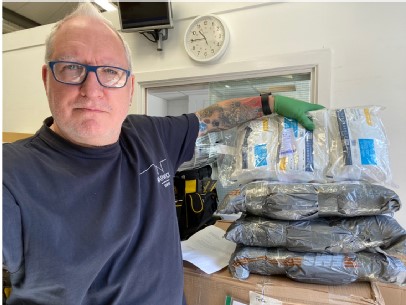 Around 1000 face masks, donated by Beijing City University in China to the University of Warwick, will be given to NHS key workers across Warwickshire on the front line against COVID-19.
The University of Warwick community is now working to distribute these masks to social care services in North and South Warwickshire, via the NHS Incident Management Teams.
The face masks will be utilised in care homes, hospices, and district care services, where the current supply of personal protective equipment is very low.
Some of the masks will also be used to keep students and frontline workers who remain on the Warwick campus safe.
This weekend, the British Medical Association declared that all key workers should be given a face mask to help slow the spread of the coronavirus.
This donation was made by Professor Liu Lin, President of Beijing City University — an institution with which WMG has a long-standing education partnership.
WMG has collaborated with Beijing City University since 2012 to deliver its Programme and Project Management Masters courses in China.
Professor Stuart Croft, President and Vice Chancellor of the University of Warwick, said: “The Warwick community of students, staff, and partners stretches to every continent on the planet, and its heart is here in Coventry and Warwickshire. On behalf of this community, I thank Professor Liu Lin for the supply of face masks, which will enable us to help keep our neighbours who are most in need safe during this pandemic.
“Together, we are striving to beat the virus – and we will achieve this through co-operation across international borders, driving forward vital research, and supporting our local healthcare workers.”
Margot James is the newly appointed Executive Chair of WMG at the University of Warwick. She commented: “The struggle against this pandemic is global, and it is local. We will only succeed in the fight against COVID-19 by collaborating with our partners around the world, and by protecting key workers in our communities who are on the front line.
“We at WMG and the wider University of Warwick are very grateful for the generosity of Professor Liu Lin and our friends at Beijing City University — and we are proud to draw upon our established international links to support the health and welfare of our region, at a time when the need is greater than ever.”
This is one of numerous ways in which the University of Warwick has worked with its Chinese partners to support the fight against COVID-19 in the UK.
Last week, it was announced that Professors from Warwick’s Department of Engineering have been working with the Association of British Chinese Professors in raising funds to purchase personal protective equipment for ten UK hospitals.
They secured 2400 face masks for hospitals in London, as well as 3500 safety goggles and 7000 full face visors, which were donated to seven hospitals in London, Cambridge, Birmingham and Coventry.
WMG staff use 3D printing in the fight against COVID-19
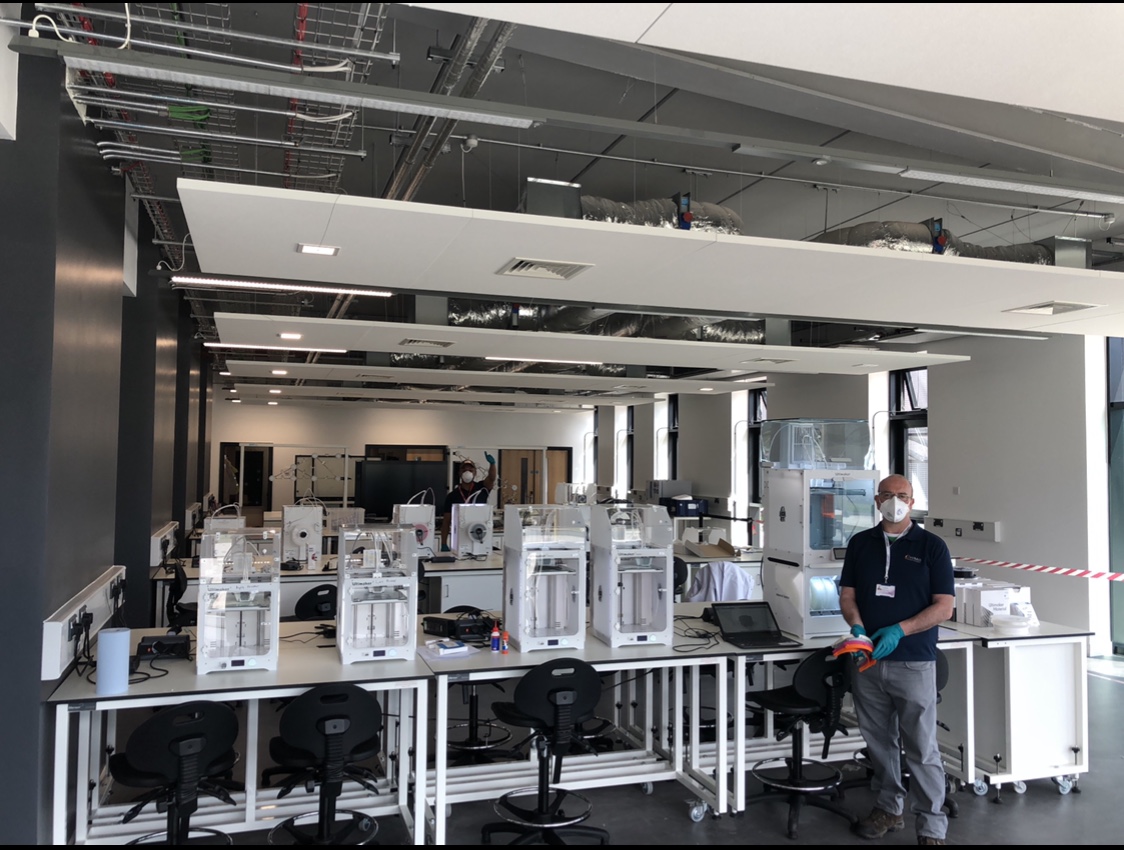 A team of WMG academics, technicians and engineers are using their 3D Printing skills, to help in the fight against COVID-19, by producing face shields for NHS front-line staff.
As the supply of PPE became a key issue in the pandemic, technicians Phil Gibbons, Joseph Benjamin and Martin Worrall, and PhD student Kevin Couling responded to 3D Crowd’s call asking volunteers to use their 3D Printing capabilities to produce face shields.
WMG’s nine 3D printers have now been programmed to run around the clock producing more than 400 shields each week.
The first batch of face shields have now been vigorously inspected, cleaned, packaged and distributed to 3D Crowd’s central assembly station in Warwickshire. They will now be sent to organisations running low on supplies.
The team have also managed to order extra materials and will keep the printers running until supplies literally run out.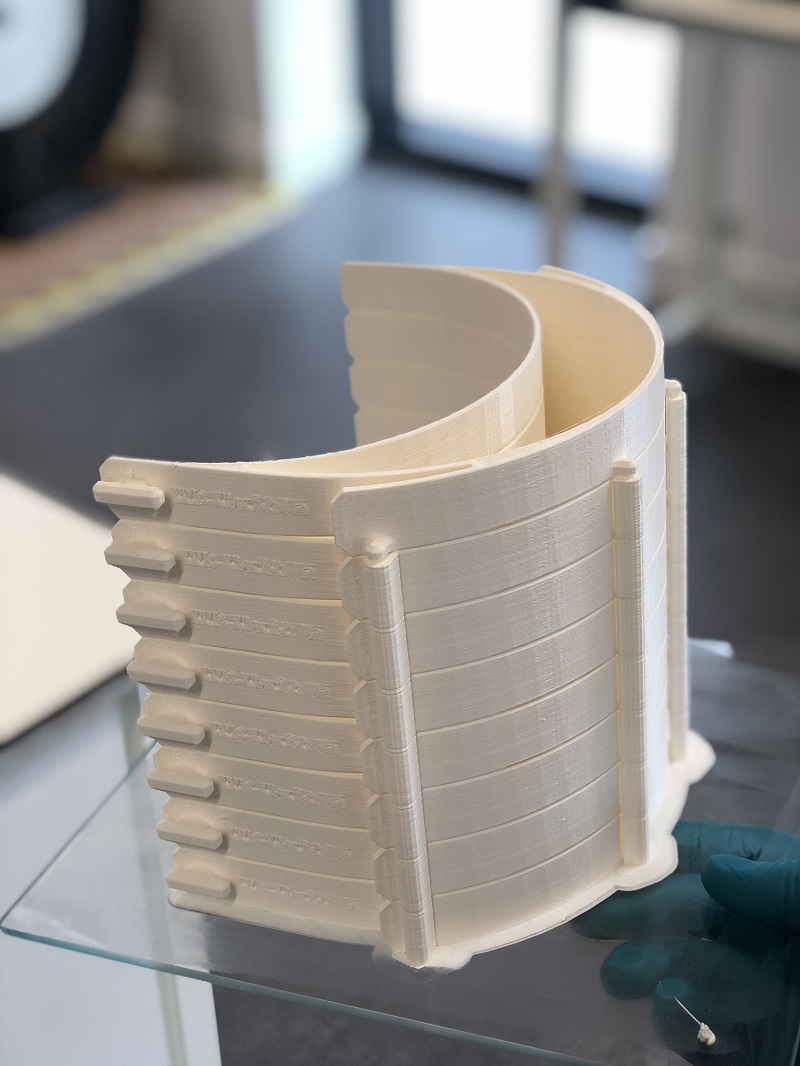
Reader Greg Gibbons explains: “Demand for PPE is incredibly high, and we are in a unique position to be able to help.
“We have 3D Printers running in our Degree Apprenticeship Centre (DAC) and we are also planning to open up our Materials Engineering Centre (MEC) to enable mass production of the shields.”
In addition to the work with 3D Crowd, and with funding from WMG Centre High Value Manufacturing Catapult, the team are also working in collaboration with Queen Mary University of London on the development of an injection moulding process for face shield to enable mass production of the frame.
Associate Professor Jérôme Charmet, and Post-Doctoral Research Associate Rui Rodrigues explain: “It is fantastic that we are able to respond to this call and work towards providing the protection to the NHS that is so desperately needed.
“We are now finalising a tool design before we begin production. Once the process is up and running we then plan to transfer manufacture to Andel Plastics, an Injection Mould SME, who will continue with large scale production.”
Coronavirus brings dawn of digital healthcare
In light of the highly-infectious Coronavirus pandemic, healthcare systems across the world have had to adapt rapidly for the evolving situation for three reasons:
1. The need to triage and treat large number of patients with respiratory problems
2. The need to protect healthcare workers to ensure they can treat the sick
3. The need to protect the elderly and most vulnerable in society from being infected
In the editorial, 'Covid-19: A new digital dawn?', published in the journal Digital Health (SAGE Publications), researchers from our Institute of Digital Healthcare at WMG, University of Warwick (together with colleagues from Warwick Medical School, University Hospitals Coventry & Warwickshire NHS Trust and Bristol Heart Institute, United Hospitals Bristol NHS Foundation Trust) provide insight into how these three reasons have led to an increase in digital healthcare.  Professor Theodoros Arvanitis, from the Institute of Digital Healthcare at WMG, University of Warwick comments:
“Covid-19 will unfortunately have a human cost that will be remembered for many years to come. Its impact on healthcare, the economy and society, as a whole, will be rather significant. However, it could also be the start of more digitised healthcare, as new ways of remote and digital health working have had to evolve so rapidly. We can learn from this time and take it further to make one positive come out of coronavirus, a more digital healthcare practice.
“A more digital healthcare practice could help slow further spreads of infections, as if you have an infection and go to the doctors, you could pass it to people in the waiting area. It can also help GPs communicate more quickly and internationally, sharing advice more freely in the future.
“It can also improve the economy of the healthcare system by managing better the clinical load of frontline staff, while provide flexibility in the way citizens access healthcare services.”
Innovative digital healthcare responses come into various aspects of coronavirus, from communication, to education and patient management.
In terms of communication, clinical groups are using messaging services such as slack and WhatsApp to manage rotas as high levels of staff may be off sick or in self-isolation. They are also using social media, such as Facebook to make groups such as the ‘COVID Doctors Forum (UK)’, which on the 6th April 2020 had 14,813 members.
The group covers a range of topics, from PPE to procedures of self-isolation and lessons from colleagues internationally, as well as a number of blog posts.
There’s also been further examples in change of communication as the Discourse Digital Health Network had a page with multiple threads considering the digital response to Covid-19, as well as a webinar on the response, hosted by NHSX ,which would have previously been face to face.
Education wise many conference, training courses, post-graduate exams have been cancelled, however the need for rapid education of the healthcare workforce to deal with respiratory problems and deployment education to staff who have changed roles during the pandemic is still needed. It has therefore been carried out virtually.
Doctors in training have had their Annual Review of Clinical Progression assessments virtually, e-learning packages have also been set up much more rapidly than previously. For example, University Hospitals Coventry and Warwickshire produced a training package in just 72 hours to help staff train to deal with viral respiratory diseases.
One of the most significant changes is to patient management, in order to protect the elderly and vulnerable telemedicine consultations have taken place rather than in person.
There’s also been a rapid reaction in the MedTech industry to roll out digital tools and packages, such as EMIS, (Egton Medical Information Systems), the largest supplier of electronic health records, introducing a range of interventions, including modifying coding, alert tracking and all EMIS web GPs in the UK being able to host vide consultations for free.
Most GP practices are now offering appointments over the phone, video call or via an app.
WMG joins the Electric Revolution challenge
 WMG is proud to be playing its part in the government’s Driving the Electric Revolution challenge.
Fourteen winning projects, announced by the Business Secretary in March, will share a total of £6.7 million. These projects will help boost supply chain efficiencies in industries affected by electrification, from aerospace to automotive, to energy and rail.
Transport Minister Rachel Maclean said:
“Funding and increased support for state-of-the-art electric manufacturing centres will help people, goods and services move across the nation, in a greener, safer and more reliable way than ever before.
By investing in world-leading science and engineering institutions, we are creating a modern transport system, bringing communities closer together while reducing the UK’s contribution to climate change.”
Co-ordinated by WMG Centre High Value Manufacturing Catapult, WMG at the University of Warwick, will be part of the project consortiums for High Volume E-Machine Stack Manufacture and Lightweight Aluminium Winding (LAW).
High Volume E-Machine Stack Manufacture
This project brings WMG together with Brandauer, and Jaguar Land Rover to improve the production methods, tooling design, processes and material selection used in the creation of rotor and stator components to pave the way to a high volume production of thinner laminations in the UK.
Given the rise of electric vehicles and more electrified systems it is strategically desirable for the UK to develop its own supply chain for the production and distribution of high-performance electric machines at volume. This project seeks to close the gap in UK-based supply of rotor and stator lamination stacks.
Brandauer is already established as a market leader in high precision stampings and pressings in multiple sectors but does not currently have the capability to meet the demand of the automotive sector. This will create the opportunity for Brandauer to not just enter the automotive supply chain, but to do so as best-in-class.
Lightweight Aluminium Winding (LAW)
A consortium, led by Aspire Engineering, with WMG, Voltalogic, Ashwoods Automotive, Hydro Aluminium Rolled Products will develop a winding machine for aluminium wires. The winding machine will provide the first UK supply chain solution for manufacturing aluminium coils. Coil winding is a critical component of eMachine manufacture and is not provided by any UK manufacturer. UK based companies of eMachines have to purchase winding machines from overseas suppliers or have wound coils shipped to them.
Ashwoods and Voltalogic will provide copper coil designs that will be redesigned to use aluminium wire. Hydro Aluminium Rolled Products will provide coated aluminium wire with the preferred electrical conductivity and mechanical properties. Aspire will build their work on winding machines to provide a volume manufacturing solution, and WMG will leverage their development work on volume e-Machine manufacture to guide the partners to the provision of a volume manufacturing solution.
The successful completion of the project will provide a UK supply chain for the manufacture of e-Machine coil winding. Through this, it will enhance the UK's competitiveness to deliver e-Machine manufacturing technology. It will embed the design and manufacturing expertise for coil winding into the UK supply chain.
The project will develop the reduction in weight of e-Machines by 15% without compromising performance by developing manufacturing processes for winding coils from alternative material.
It will also deliver, for the first time, to the off-highway market a single source drive system incorporating advanced IPM motor technology, radically lighter BUT equally as efficient as current IPM technology.
Find out more about WMG’s Transport Electrification and Energy research here.
WMG helps British taskforce reinvent trusted technology to help solve NHS crisis
WMG at the University of Warwick is helping a body of British citizen scientists, medical clinicians, academics, manufacturers and engineers who have developed an alternative model of ventilator to support the Government’s drive to equip the NHS.
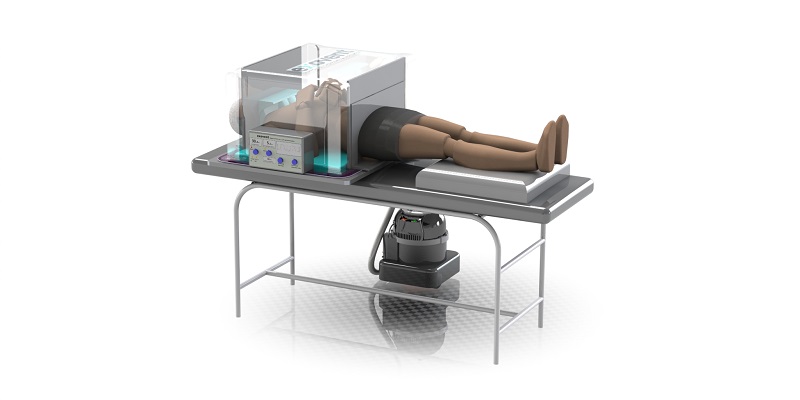 The new model, the exovent, is a cutting-edge reinvention of the archetypal iron lung which saved the lives of countless polio victims during the last century.
Marshall Aerospace & Defence Group, the UK’s leading privately owned Aerospace and Defence business, is exploring the technical aspects of the scheme ahead of rapid production and roll-out of the Negative Pressure Ventilator (NPV). The exovent concept is also supported by WMG at the University of Warwick and representatives from Imperial NHS Trust and The Royal National Throat Nose and Ear hospital. Two leading intensive care units have agreed to trial the prototype ventilator support devices.
exovent is non-invasive, which means that patients do not need to have their windpipes intubated, so they don’t need to be sedated or paralysed. Instead, 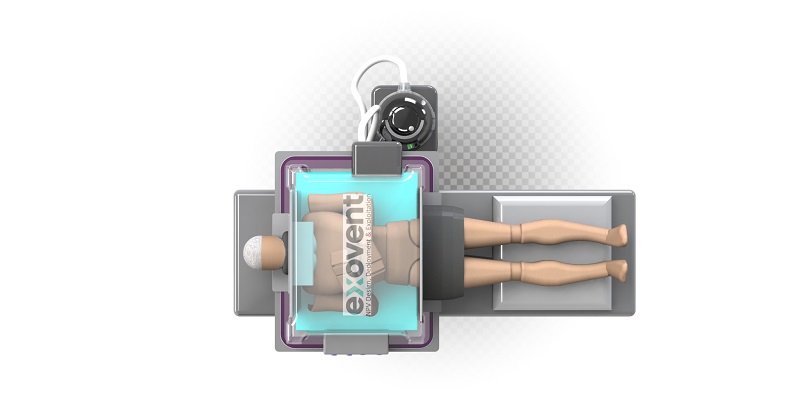 they can remain conscious, take medication and nutrition by mouth, and talk to loved ones on the phone. It can be used on a normal ward, keeping patients out of intensive care.
Margot James, Executive Chair, WMG, University of Warwick comments: “We are delighted to be working with exovent to help scale up their non-invasive ventilator from prototype to volume manufacturing. Our engineers and researchers are collaborating with the exovent team on the design, engineering, component sourcing and assembly of the ventilator. I am extremely proud of the unstinting and dedicated efforts of our research team, led by Archie MacPherson at WMG, and glad that we are able to apply our expertise to this important project.”
*Please credit images to John Hunter Steer Energy