Computer Science News
DCS student qualifies for final of Cyber Security Challenge
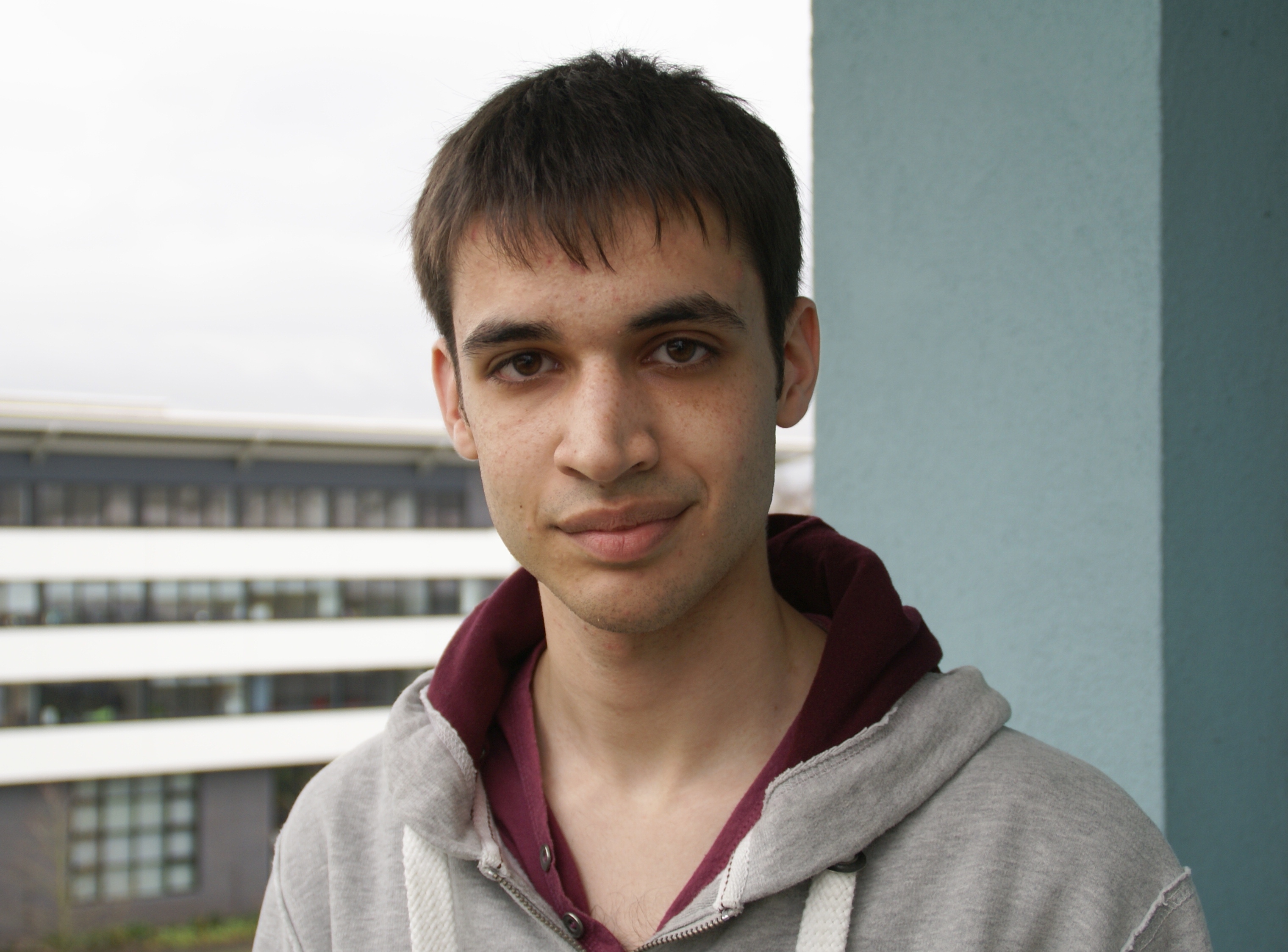
Julian Bhardwaj, a first year Discrete Mathematics student, has successfully made it through to the Grand Final of the Cyber Security Challenge which will be held in March. Julian actually qualified twice for the preceding final rounds through his performance in the SANS Packet Capture Analysis and the SANS/Sophos Penetrations Test competitions. His performance in the "Sophos’ Malware Hunt" final round placed in the top 11 candidates, competing against students and experienced IT professionals alike.
Julian has already won a year's subscription to the National Skills Academy for IT and there are more "career enabling" prizes on offer in the Grand Final which Julian is hoping will help him get into a future career in the computer security industry.
Julian is currently taking the module CS134, "Introduction to Computer Security" and wishes to continue to develop his knowledge of Computer Security throughout his degree course and possibly postgraduate study.
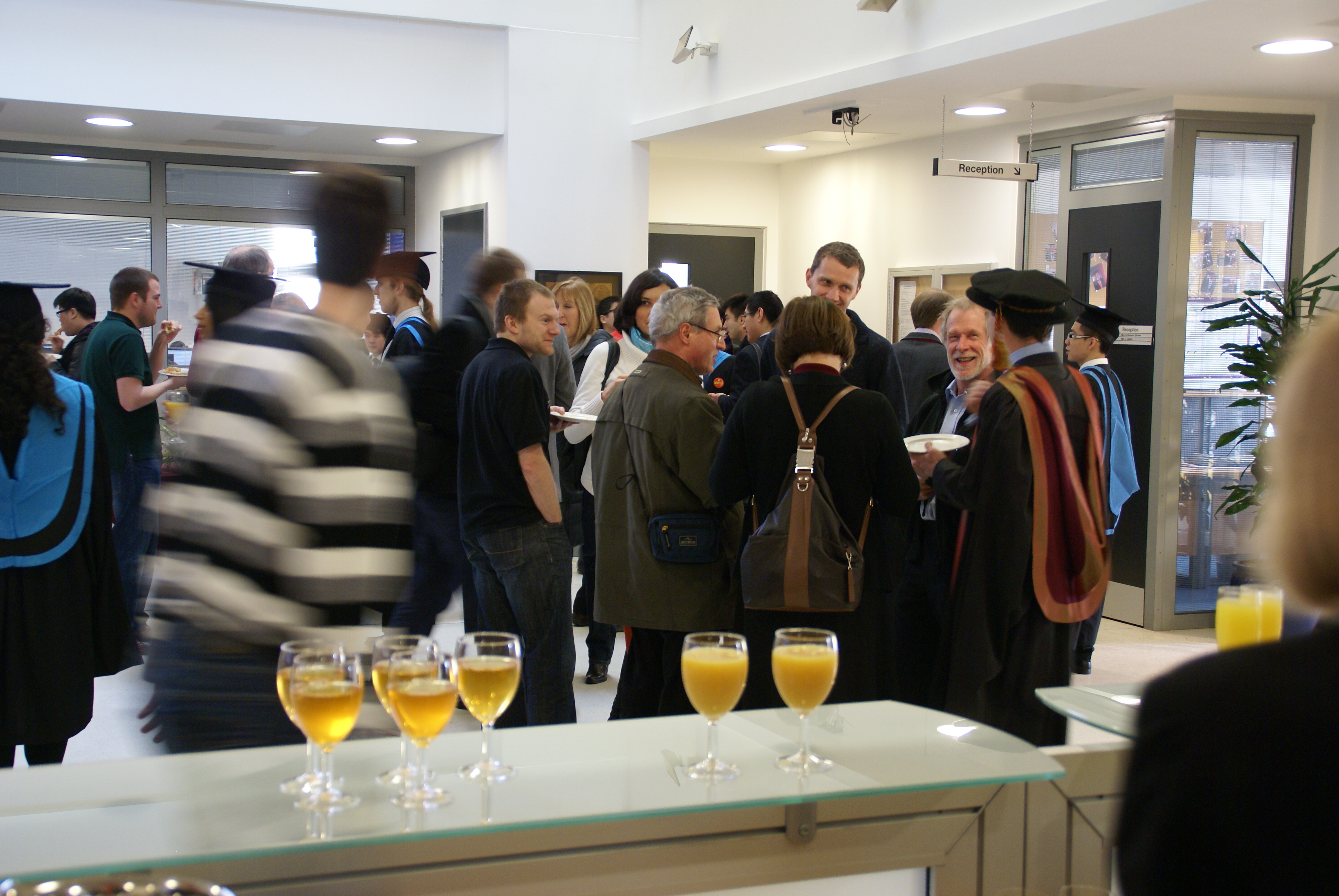
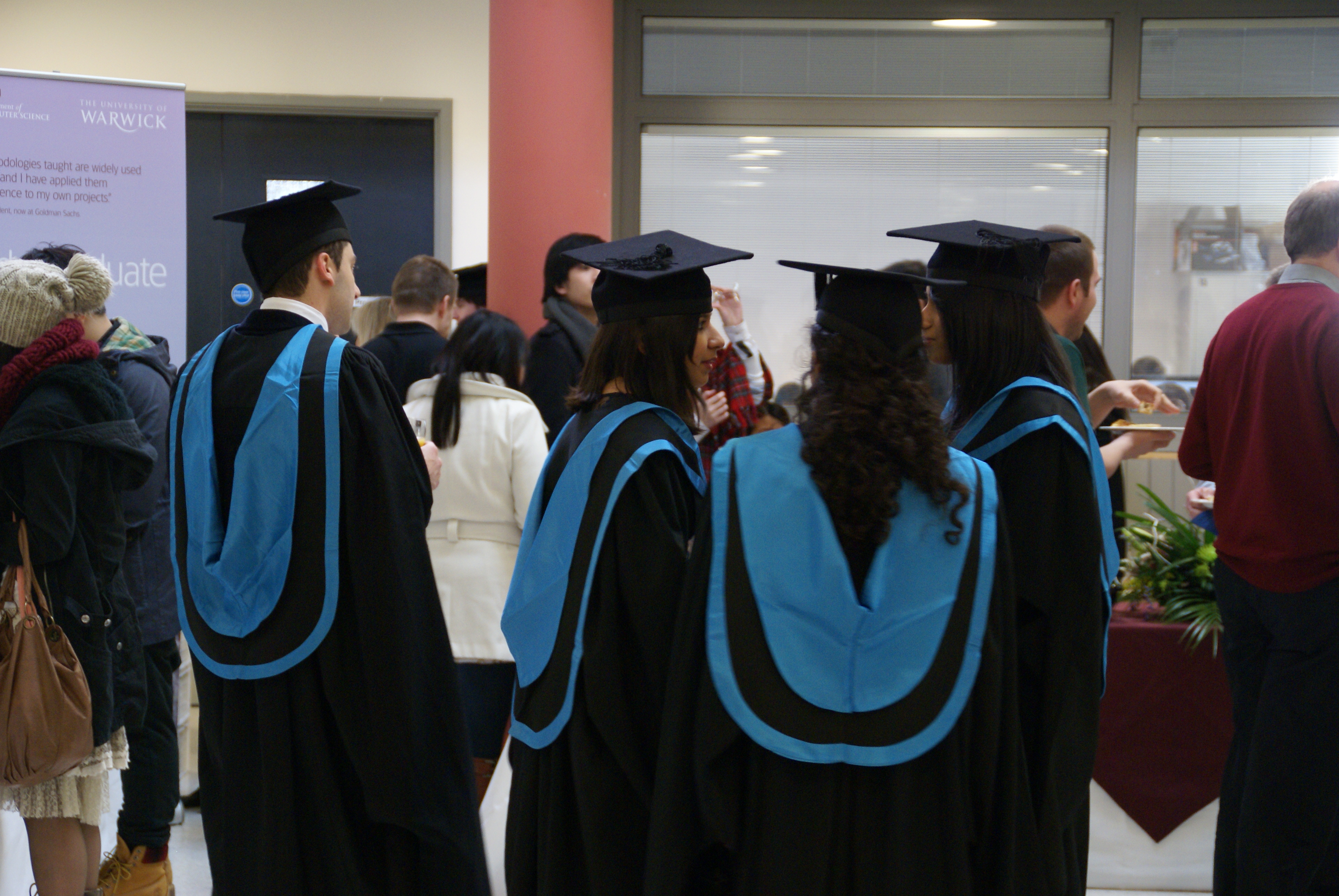
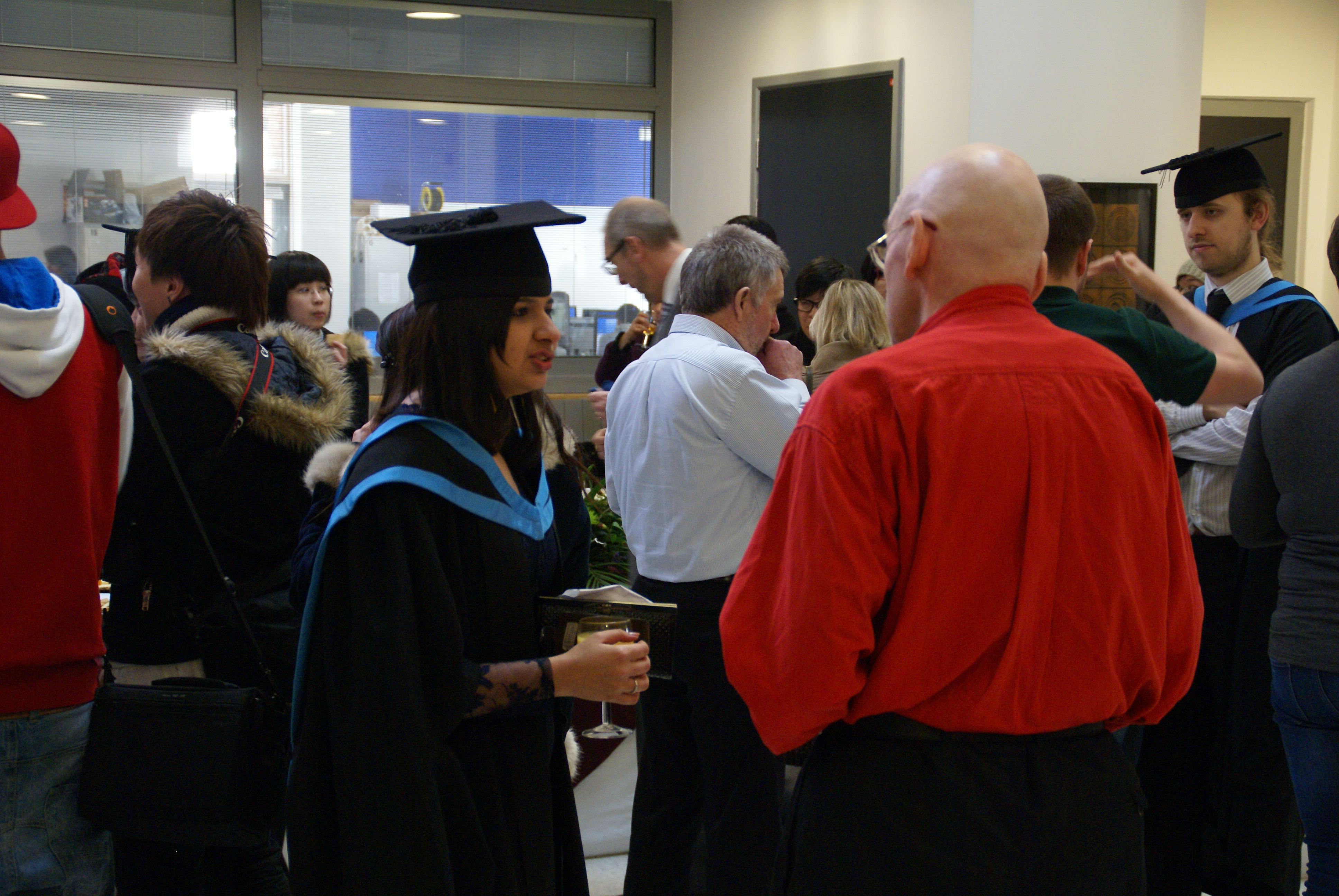
Congratulations to our new graduates!
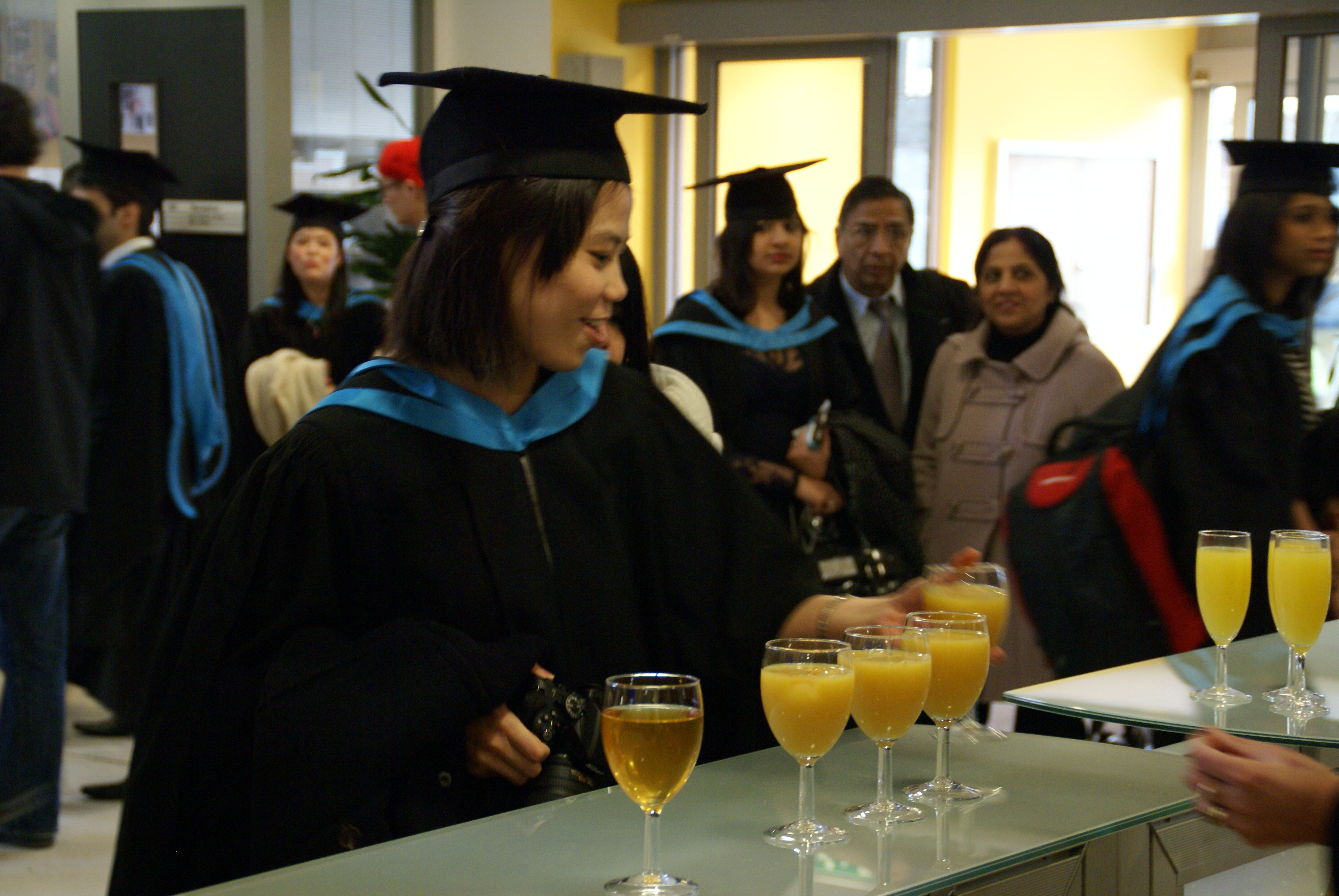
The department would like to congratulate the students who graduated today in the Winter Degree Ceremony, which took place in the Butterworth Hall in the Arts Centre with a food and drinks reception being provided in the department.
Historic Steps for Computing in Schools
Step No.1 :
The speech by Michael Gove last Wednesday was probably the first time that a Minister for Education in the UK Government has acknowledged in reference to schools that, "Computer Science is a rigorous, fascinating and intellectually challenging subject". See
http://www.guardian.co.uk/education/2012/jan/11/digital-literacy-michael-gove-speech
He said, "we're encouraging rigorous Computer Science courses [in schools] .. . we will certainly consider including Computer Science as an option in the English Baccalaureate". He recognised the current ICT curriculum as a "roadblock" and announced a plan to withdraw the Programme of Study for ICT and allow schools the freedom to teach the subject as they wish.
The speech was not 'anti-ICT', as some have suggested, though it was ambiguous in that regard. Quite clear was the determination urgently to move ahead with new high quality Computer Science GCSEs and A-levels, and to focus on training teachers to support and deliver such courses. We hope this new direction marks a significant turning point in Computer Science education in the UK. It is long overdue but very welcome.
At Warwick we believe the universities have an important role in supporting such developments. We should like to hear from teachers, teacher trainers, and Examination Boards as to what provision would be most useful in the short and medium term. We have a variety of resources to offer but need to collaborate with others for well-focussed planning and delivery. We have already been planning some one-day training sessions in March and April aimed at supporting teachers of the more technical A-Levels in Computing. Details of these courses will appear here. Please send suggestions for such courses, or offers of collaboration or assistance to steve.russ@warwick.ac.uk
Step No.2 :
On Friday last week was published the long-awaited Royal Society Commissioned Report on Computing in UK Schools.
http://royalsociety.org/education/policy/computing-in-schools/report/
On any reckoning this 120pp Report must be regarded as an historic landmark in charting the complex development of computing education in schools over the past several decades and making 11 key recommendations for the future. The Report is clear and clarifying, comprehensive and yet urgent. It is essential reading for anyone interested in computer education in schools and in Higher Education.
The Computer Science community, and indeed the country, owes a considerable debt to Professor Steve Furber and his Advisory Board for an impressive and compelling compilation of evidence and argument. A powerful case is presented for the delivery in schools of computing education in three overlapping, but distinguishable, levels of digital literacy, Information Technology and Computer Science. The educational case for Computer Science (see Section 3.2.2) has not before been presented so cogently.
As in Michael Gove's speech, there is considerable emphasis in the Royal Society Report on the necessity of further Continuing Professional Development for teachers. But it is in this area that we at Warwick feel the need to complement the Recommendation 3 (p.9), "Government .... should seek support from business and industry to make that provision [for subject-specific CPD for Computing teachers]". We believe there is a social, scientific, and pragmatic responsibility for universities also to offer technical and academic support for such CPD provision for teachers. We intend to be practising what we preach in this respect - hopefully in co-operation with other Midlands Universities - in the coming months.
Dr Steve Russ (homepage)
Admissions Tutor and Associate Professor in Computer Science
Opening: Assistant Professor (Lectureship)

The Department of Computer Science at the University of Warwick invites applications from candidates with proven excellence in research in computer science for the new opening as Assistant Professor in Computer Science.
Candidates are required to have a PhD in Computer Science or related discipline, should be able to demonstrate excellent research potential in computer science, and should be capable of research leadership, e.g., co-supervising MSc and PhD students in Computer Science and contributing to the preparation of research grants. Ideally the candidate will complement the research in the Department, but other research areas will also be considered in particularly strong cases. Special considerations will be given to candidates with interdisciplinary interests and industrial research experience. Candidates should also have excellent teaching skills as they will be expected to deliver taught modules in Computer Science and contribute to curriculum development.
To apply, please follow the instructions available on the official University web-page.
Please quote job vacancy reference number 30149-121.
Closing date for applications: 6 February 2012 (midnight British time).
Maxim Sviridenko joins the Department of Computer Science as a new Professor
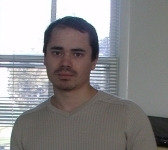
Maxim Sviridenko joins the Department of Computer Science as a new Professor in January 2012.
Maxim obtained his PhD in Applied Mathematics and Computer Science in 1999 from the Sobolev Institute of Mathematics and Novosibirsk State University. Then he spent two years as a post-doc at University of British Columbia in Vancouver, Aarhus University, and IBM T.J. Watson Research Center in Yorktown Heights, before becoming a Research Staff Member at IBM T.J. Watson Research Center in Yorktown Heights in December 2001.
Maxim's primary research interest lies in the area of the design and analysis of algorithms for discrete optimization problems. He published over 50 papers in top Computer Science, Operations Research and Discrete Mathematics journals and conferences. He designed several algorithms with best known performance guarantees for such classical optimization models as traveling salesman problem, generalized assignment problems, submodular maximization, multi-dimensional bin packing problems, job shop scheduling with various objective functions, and other inventory and supply chain management problems. He has been also working on the design of practical algorithms and modeling of the optimization problems arising in practice.
For more information about Maxim's research please visit his IBM homepage.
Matthew Leeke joins the Department of Computer Science as an Assistant Professor
Matthew Leeke has joined the Department of Computer Science as an Assistant Professor.
Matthew joins the department as the first post holder for the John Buxton Lectureship in Computer Science, having completed his undergraduate degree in Computer Science at The University of Warwick in 2008 and gone on to join the department's Performance Computing and Visualisation Group for his PhD.
Matthew's primary research interests relate to issues in the design, implementation and evaluation of dependable software systems. In particular, his most recent work has focused on the development of frameworks for the design of dependable software systems based on software measurement and metics, fault injection analysis techniques for the evaluation of software systems and approaches for the generation of efficient error detection mechanisms.
For more information on Matthew's research interests and teaching please visit his homepage or stop by CS2.06.
SuperLearning with Year 8
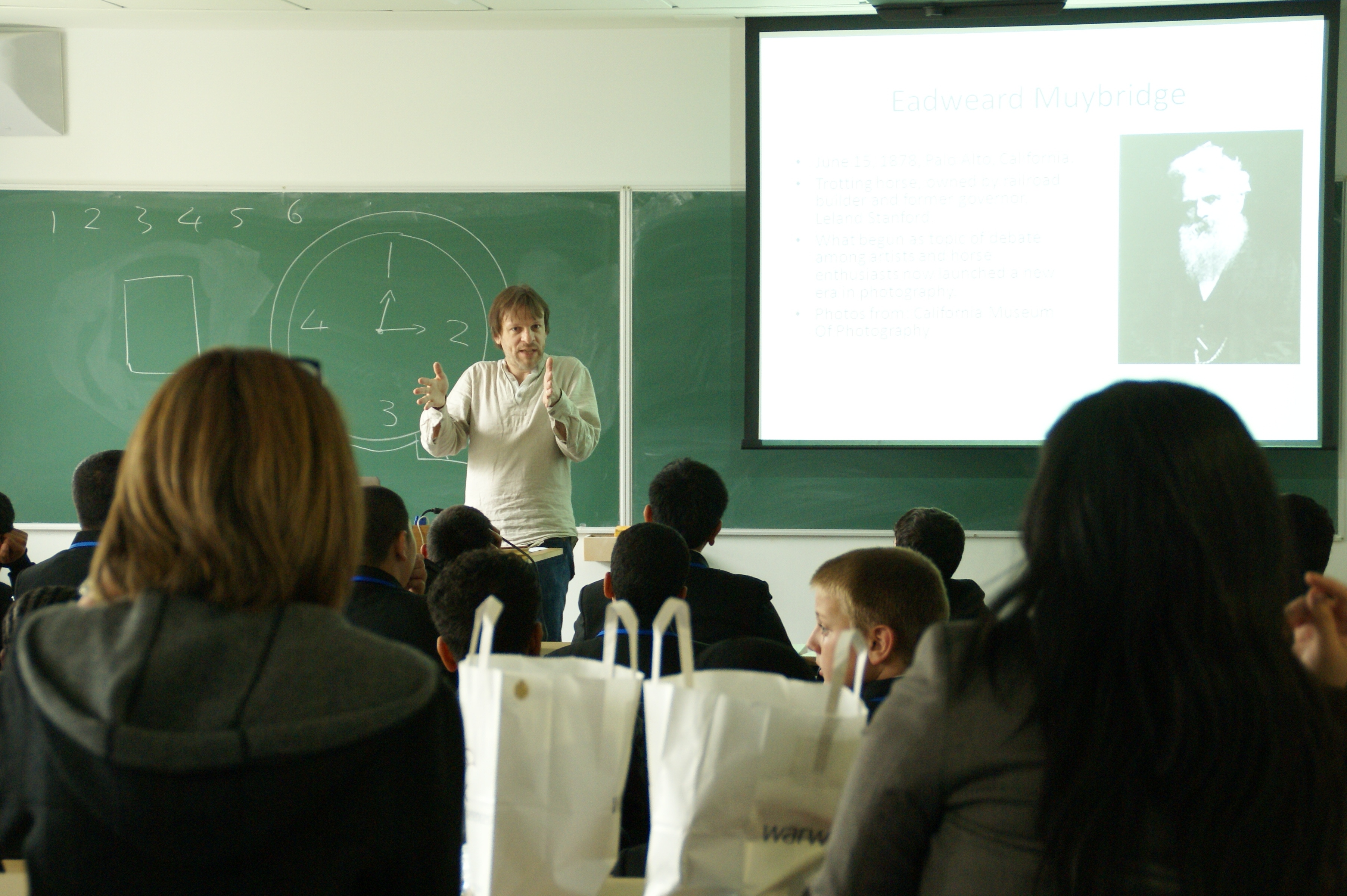
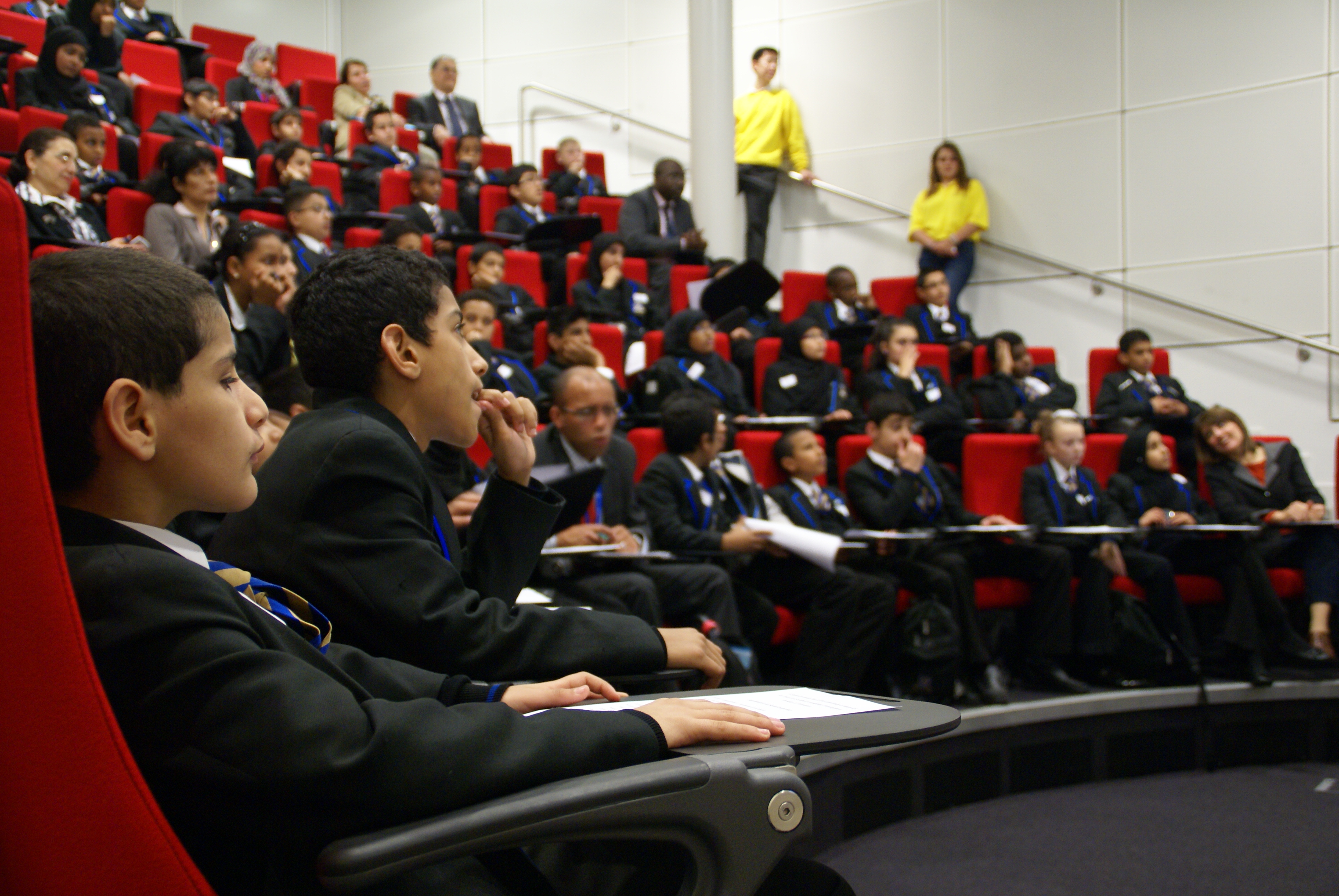
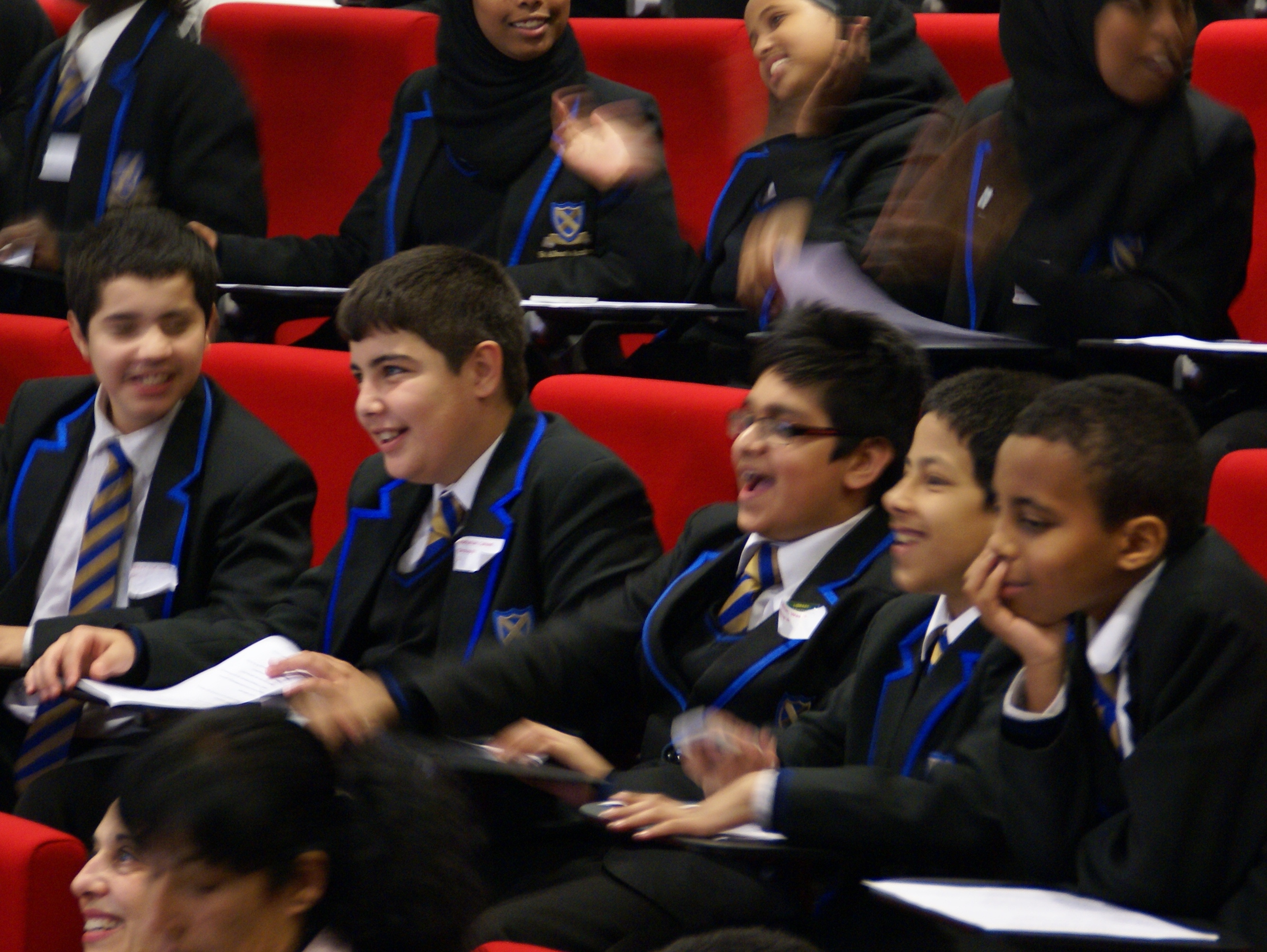
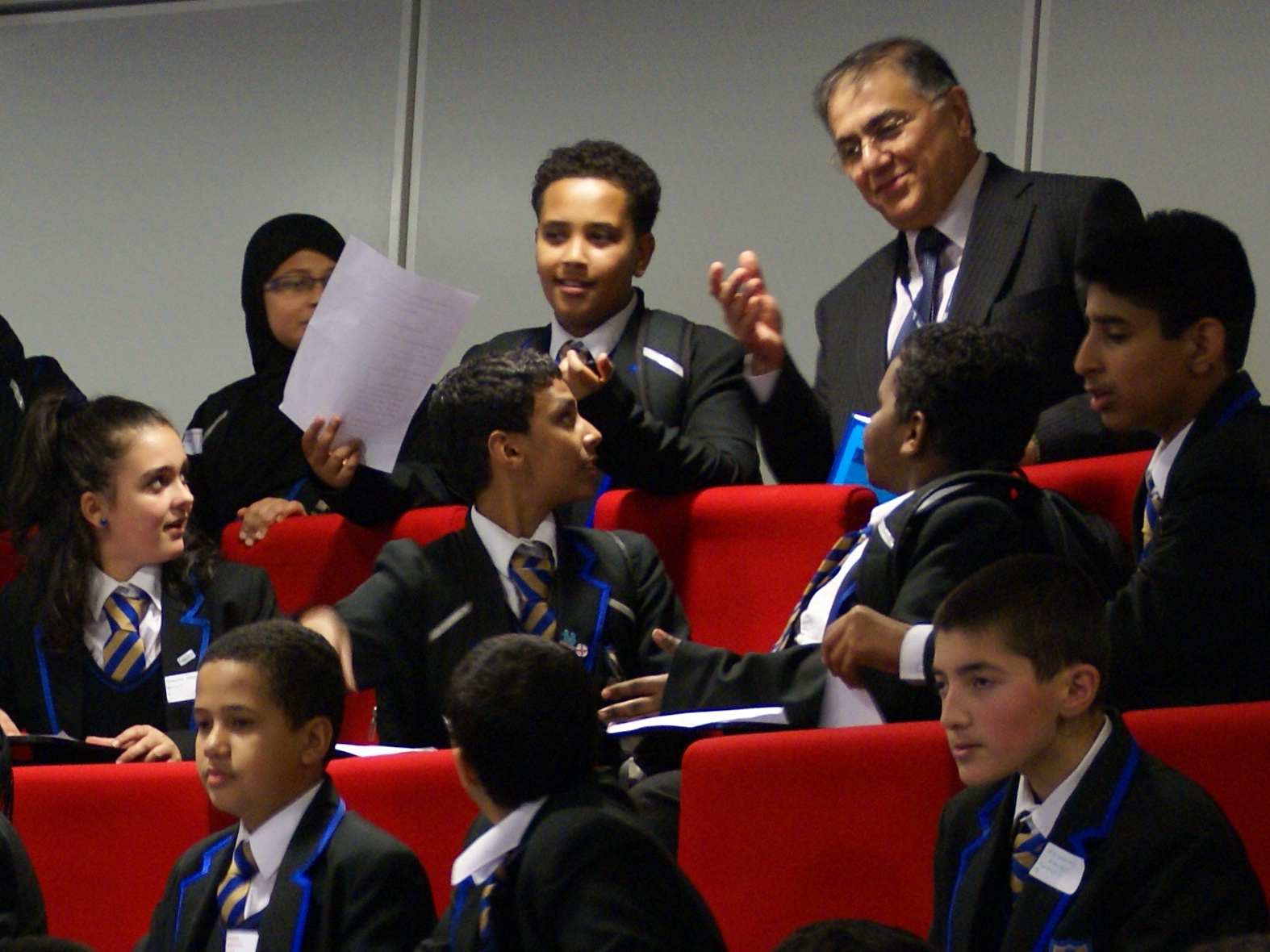
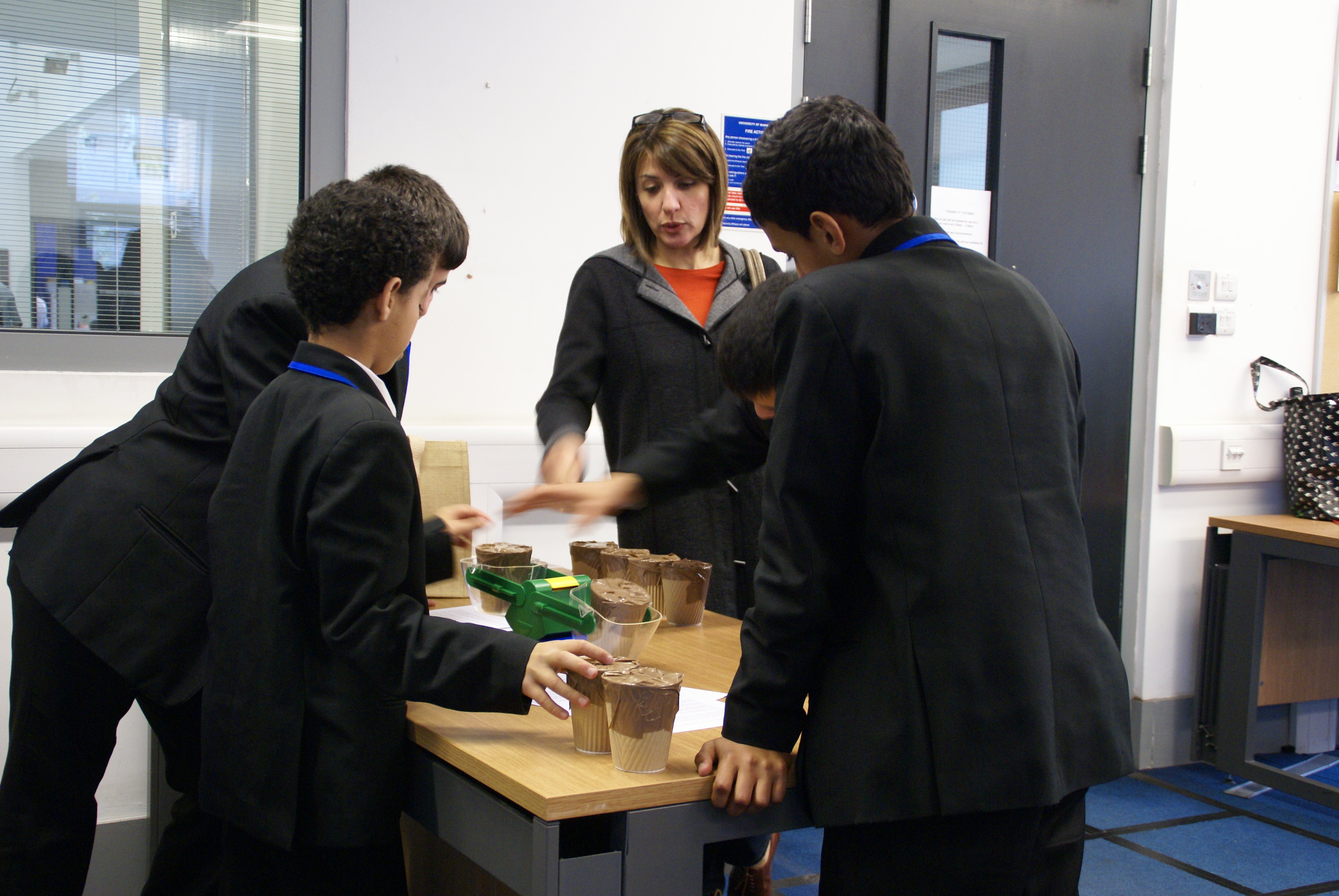
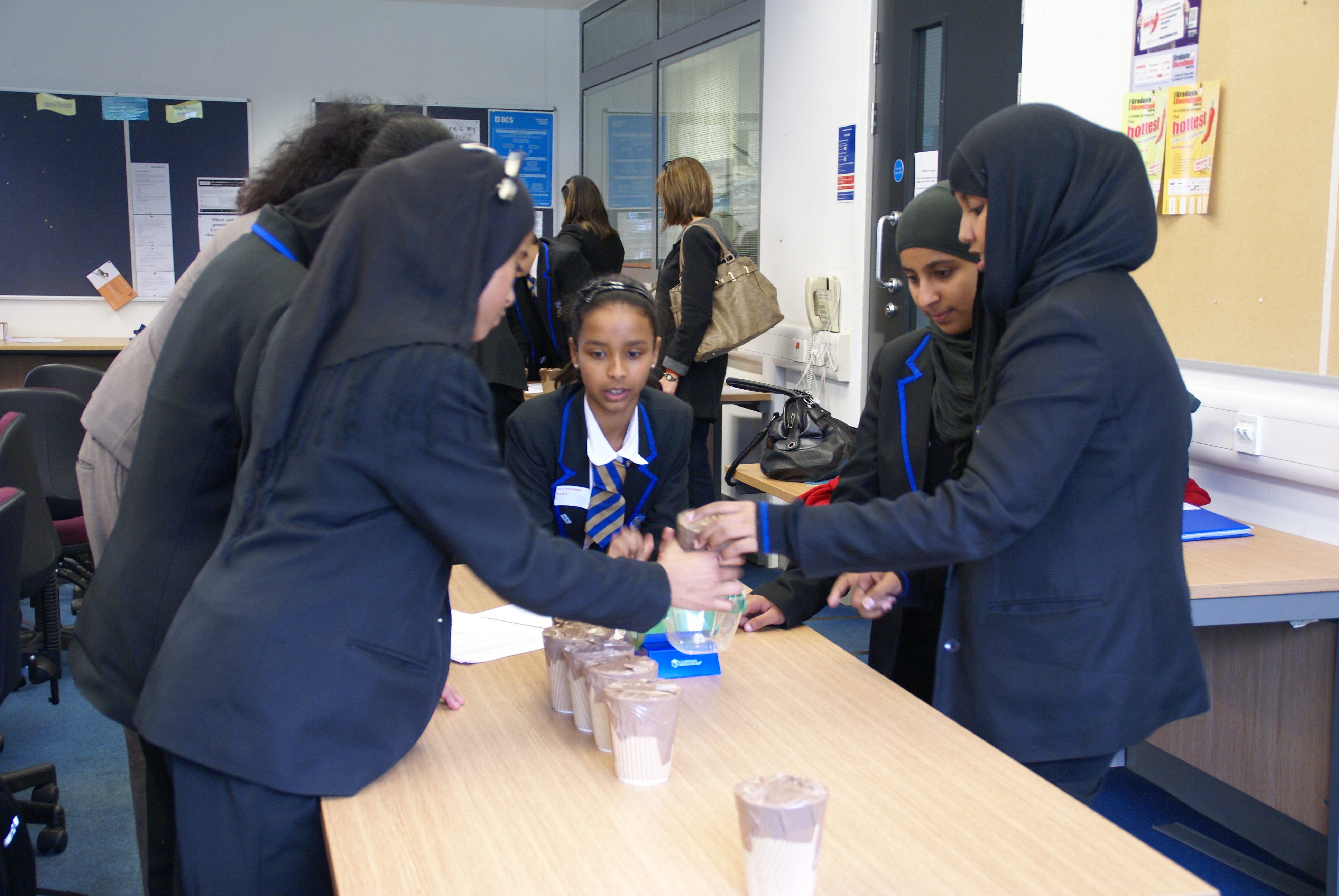
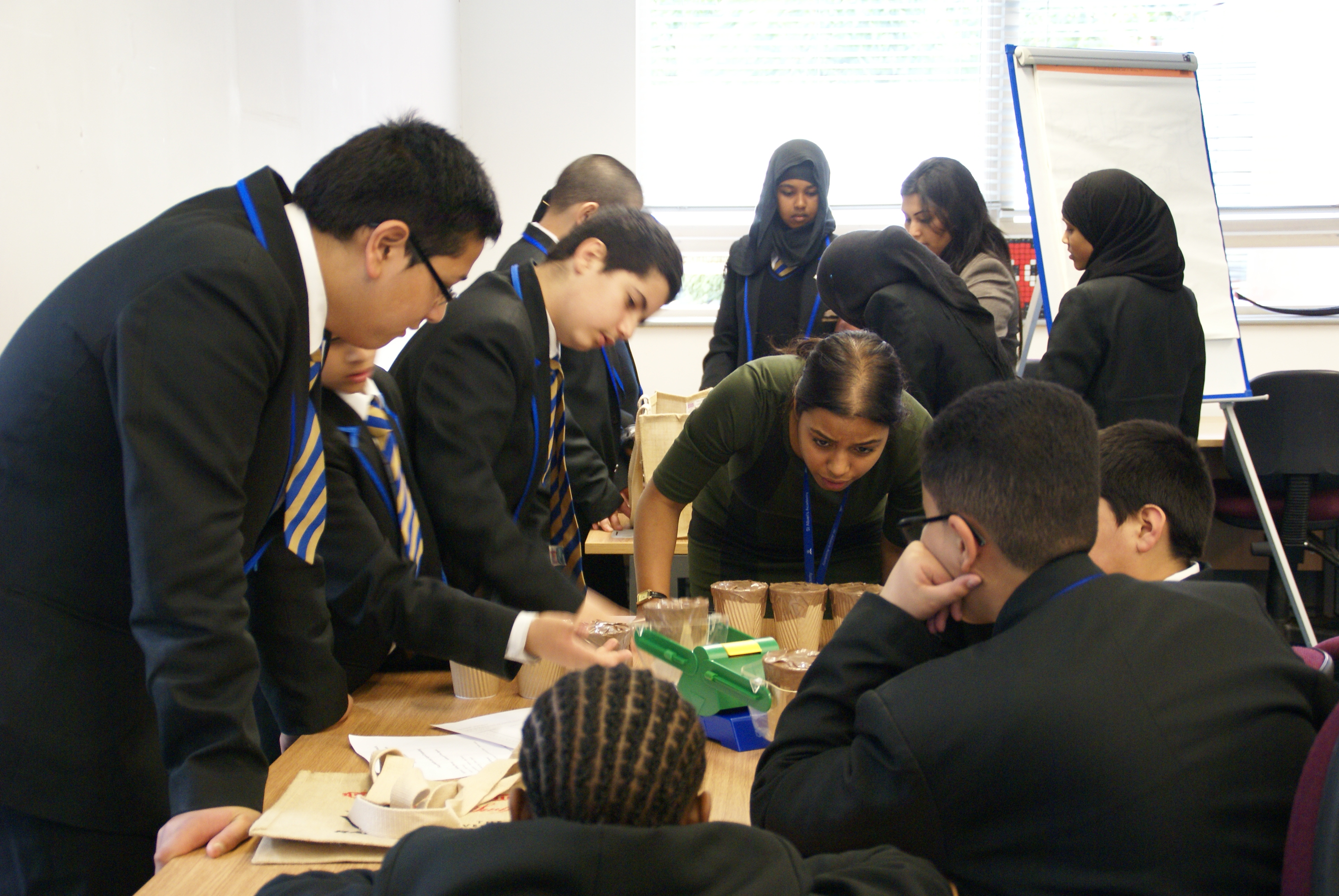
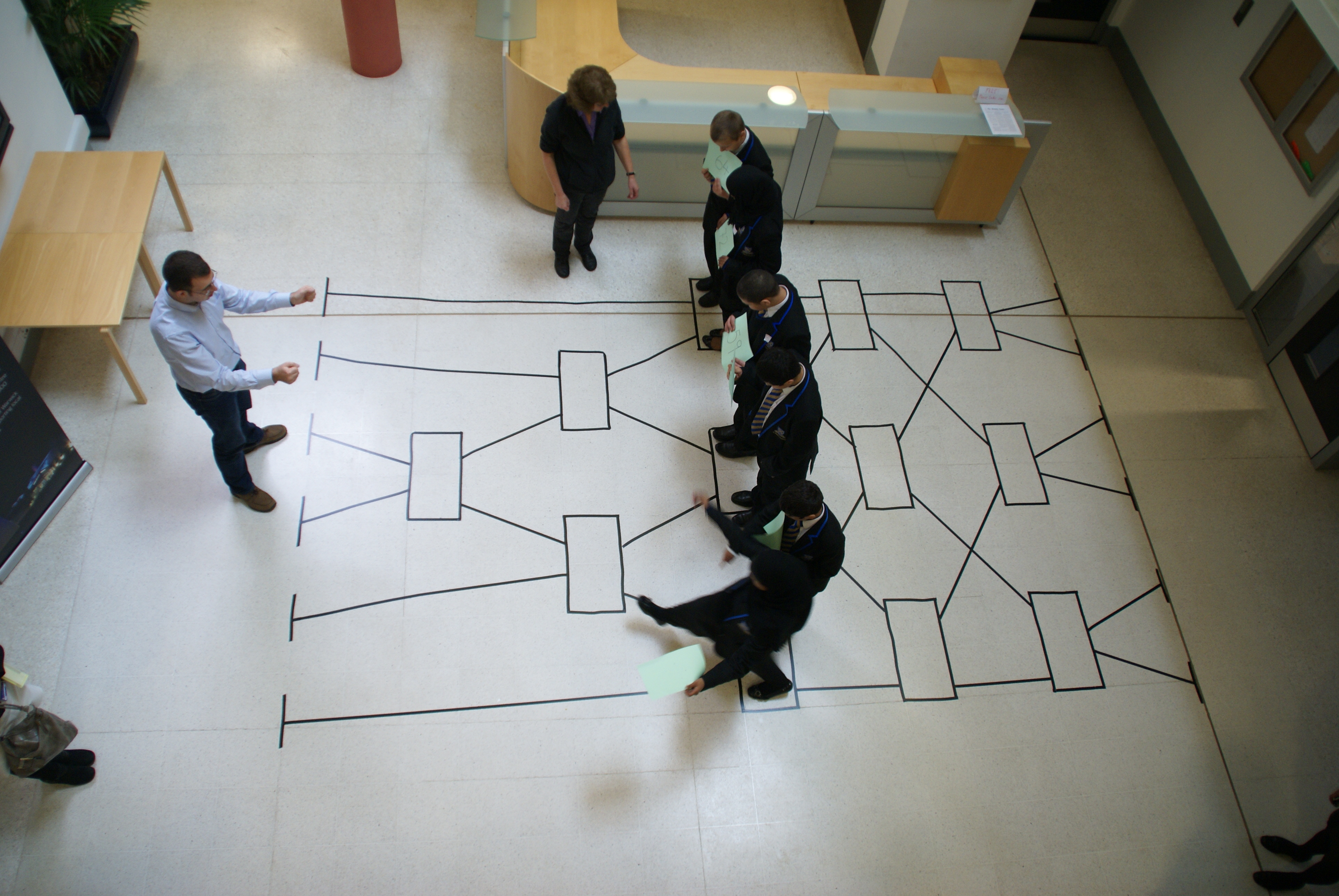
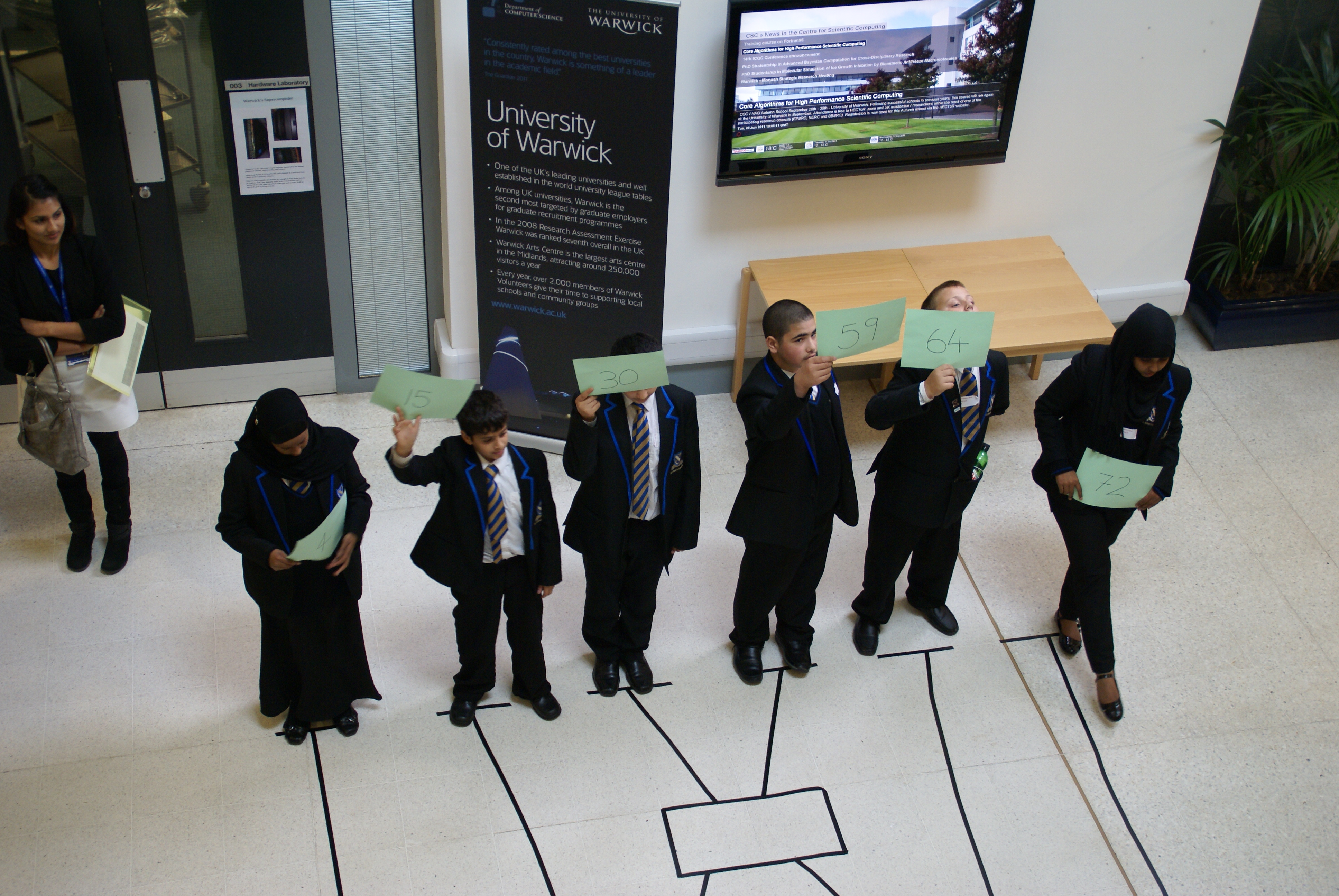
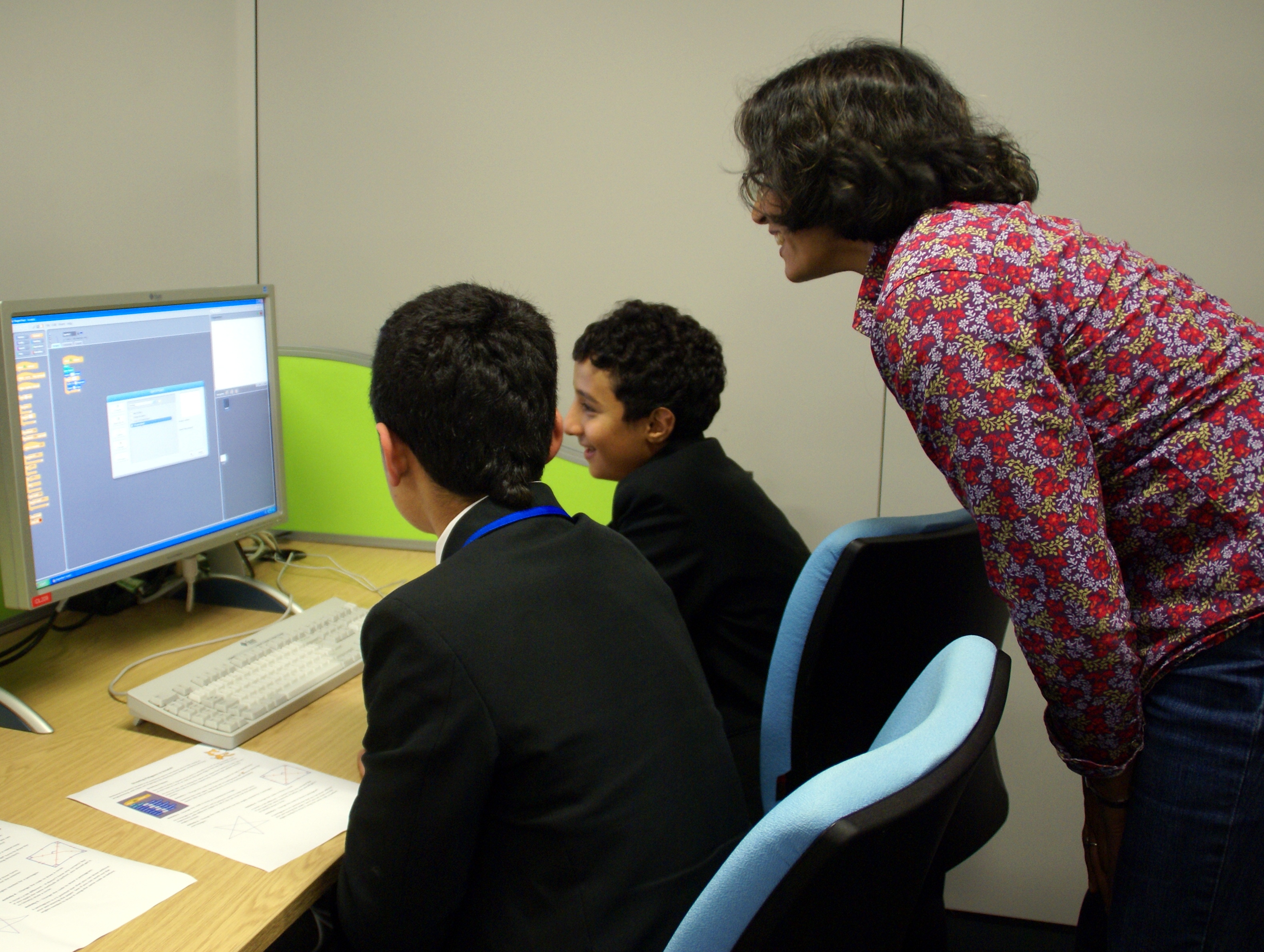
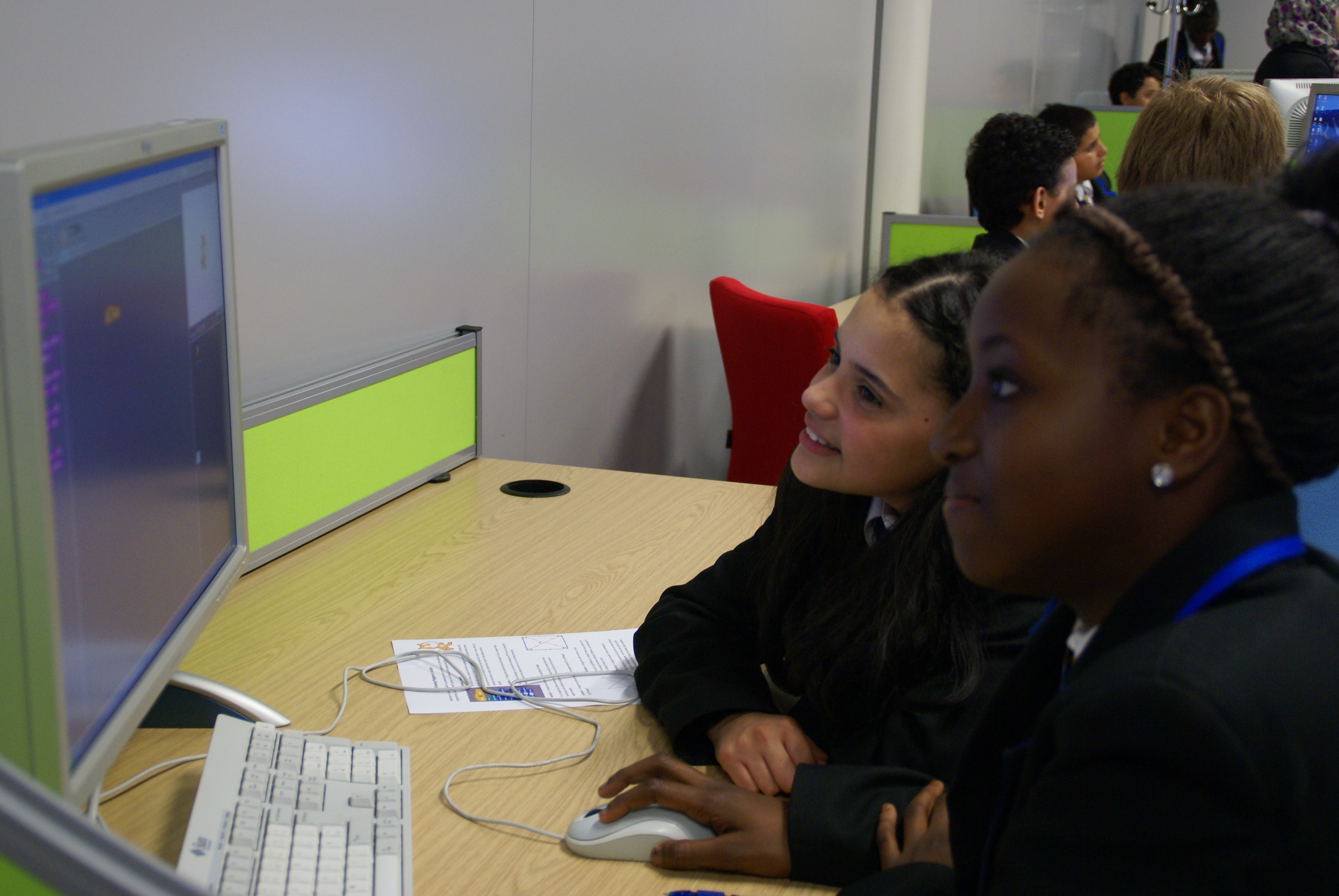
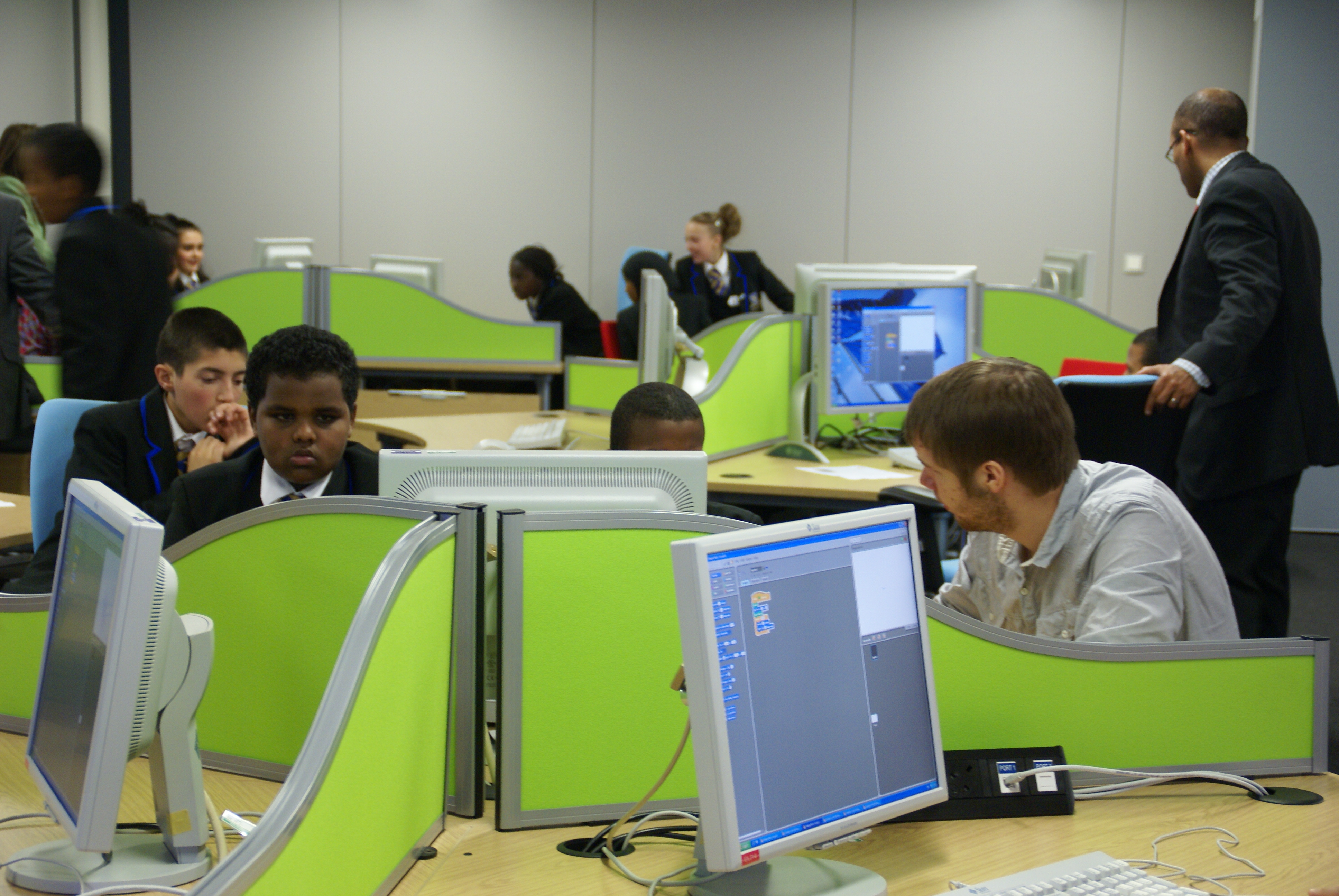
Last week we were pleased to be host to an entire Year 8 (about 95 twelve-year-olds and their teachers) from St Alban's Academy in Birmingham. The visit was organised by Rushda Joomun one of the first of our graduates in Discrete Mathematics who was only a few weeks into the TeachFirst programme. It was what the school called a 'SuperLearning Day'. We organised a 'roundabout' of sessions: the Mathematics of animal gaits in Maths, Three sorts of sorting (without computers!) in Computer Science, and how to draw stars (and other shapes) with Scratch in the DigiLab.
Many thanks to the local IET Branch for sponsoring lunch, and to Claire Davenport of the British Computer Society for visiting and giving us inspiring words at the end. The children were excited, enthusiastic and seemed to enjoy themselves a lot - judging by the roar of approval at the end of the day! What impressed us the most was the high degree of engagement and attention being given by all the children across a very wide ability range in all the sessions. This was a credit not only to the children and their teachers but also to the hard work and preparation undertaken by the session leaders. Many thanks to all - we think everybody learned a great deal from the SuperLearning Day!