
Biomedical Data Analytics
Overview of theme
Our Biomedical Data Analytics theme spans a wide range of research topics in computational modelling for neuroscience, systems and synthetic biology, and developing the next-generation of AI based technologies for the analysis of multimodal biomedical data.
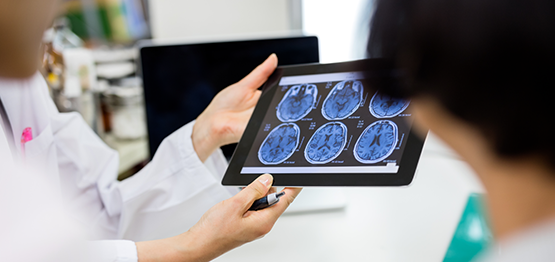
Our key research areas include:
Computational Neuroscience
Computational neuroscience of many brain systems including those involved in vision, memory, emotion and many mental disorders. The modelling extends from the biophysical level through the neuronal and neuronal network level to fMRI including a model with the number of neurons in the human brain, 86 billion. The group works on many applications to understanding the brain in health and disease, and has leading books describing research in computational neuroscience.
Computational Pathology
Developing the next-generation of AI based technologies for the analysis of pathology images and associated multimodal data, with applications to computer-assisted diagnosis and grading of cancer and multiomics-based markers for prediction of disease outcome and survival. This research area is formally organised as the Tissue Image Analytics (TIA) Centre.
Systems and Synthetic Biology
Interdisciplinary research to understand and control regulatory mechanisms of biological systems using quantitative models, high‑throughput data analysis, and applied AI. Applying engineering principles to design and construct new biological parts, or to reprogram existing biological metabolic pathways and organisms. Strong focus on impactful applications in medicine and industry.
Publications and Projects
Our Publications list provides details of our published papers in books, journals and conferences.
We are involved in many diverse research projects funded by several external bodies such as EPSRC, National Institute for Health Research (DoH) etc.