
Human-Centred Computing News
Computer Science gains two Doctoral Thesis Prizes
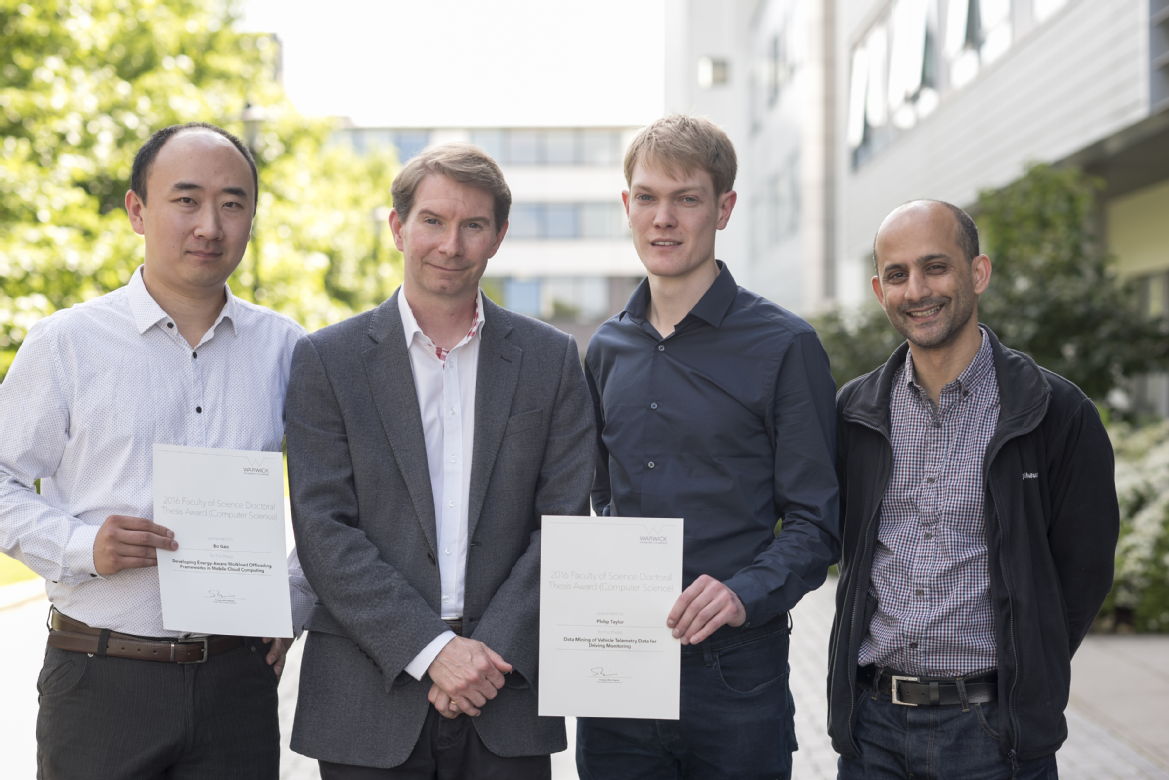
The Department of Computer Science celebrates two Faculty of Science Doctoral Thesis Prizes this year.
Dr Bo Gao’s research on energy-aware workload offloading for mobile environments investigates power-compute trade-offs for mobile and cloud computing platforms. This work has gained recognition from researchers in India, China, Malaysia, Italy, Australia, Pakistan, Germany, Canada and France, and has been cited by the US Army Research Laboratory.
Dr Philip Taylor’s research, in collaboration with Jaguar Land Rover, investigates data mining of vehicle telemetry data for driver monitoring, which is contributing to Warwick’s work with JLR on delivering safe and efficient autonomous and semi-autonomous cars of the future.
Congratulations to both candidates on their outstanding research.
Can brain scans lead to better AI?
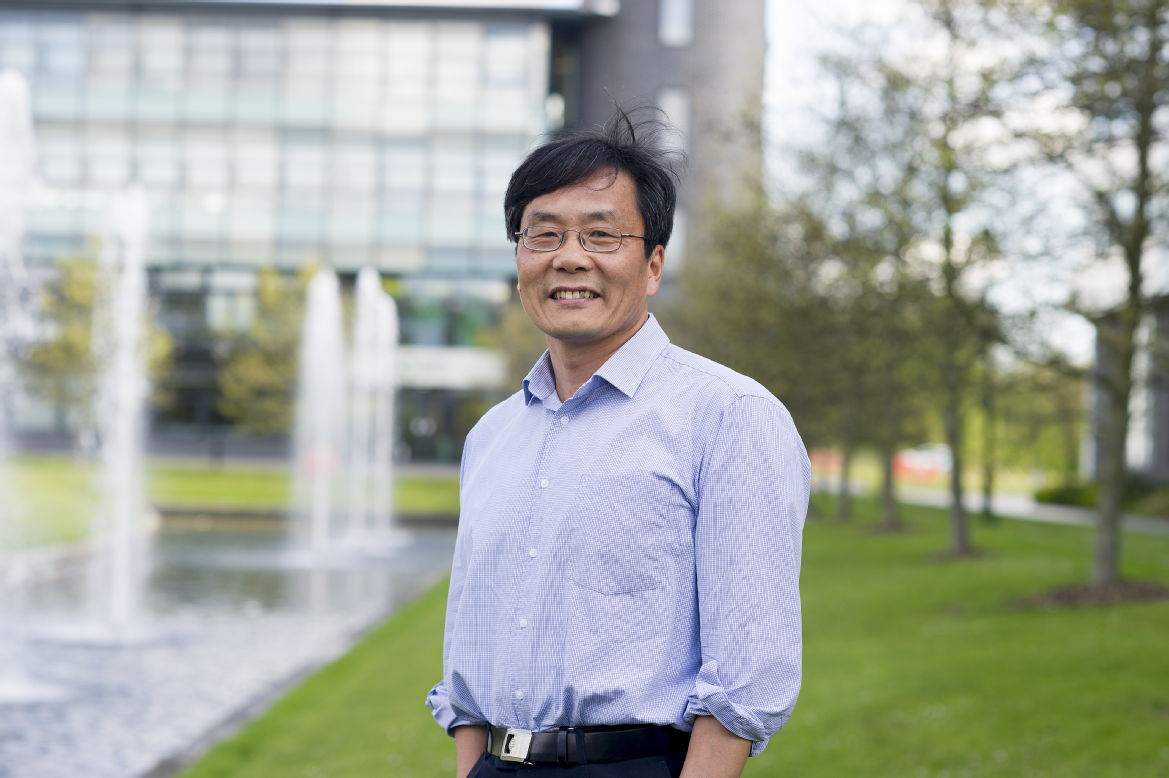
Pioneering work by Professor Jianfeng Feng, which has recently featured in the national press, uses MRI scans to understand how the brain works and could be used to create better AI (Artificial Intelligence) systems in the future. Professor Jianfeng has discovered that the more variable a brain is, and the more its different parts frequently connect with each other, the higher a person's IQ and creativity are.
Professor Jianfeng Feng, from the Computer Science Department at Warwick, comments that
Human intelligence is a widely and hotly debated topic and only recently have advanced brain imaging techniques, such as those used in our current study, given us the opportunity to gain sufficient insights to resolve this and inform developments in artificial intelligence, as well as help establish the basis for understanding the diagnosis of debilitating human mental disorders such as schizophrenia and depression
Full Story:
University contributing to new advances in cancer diagnosis
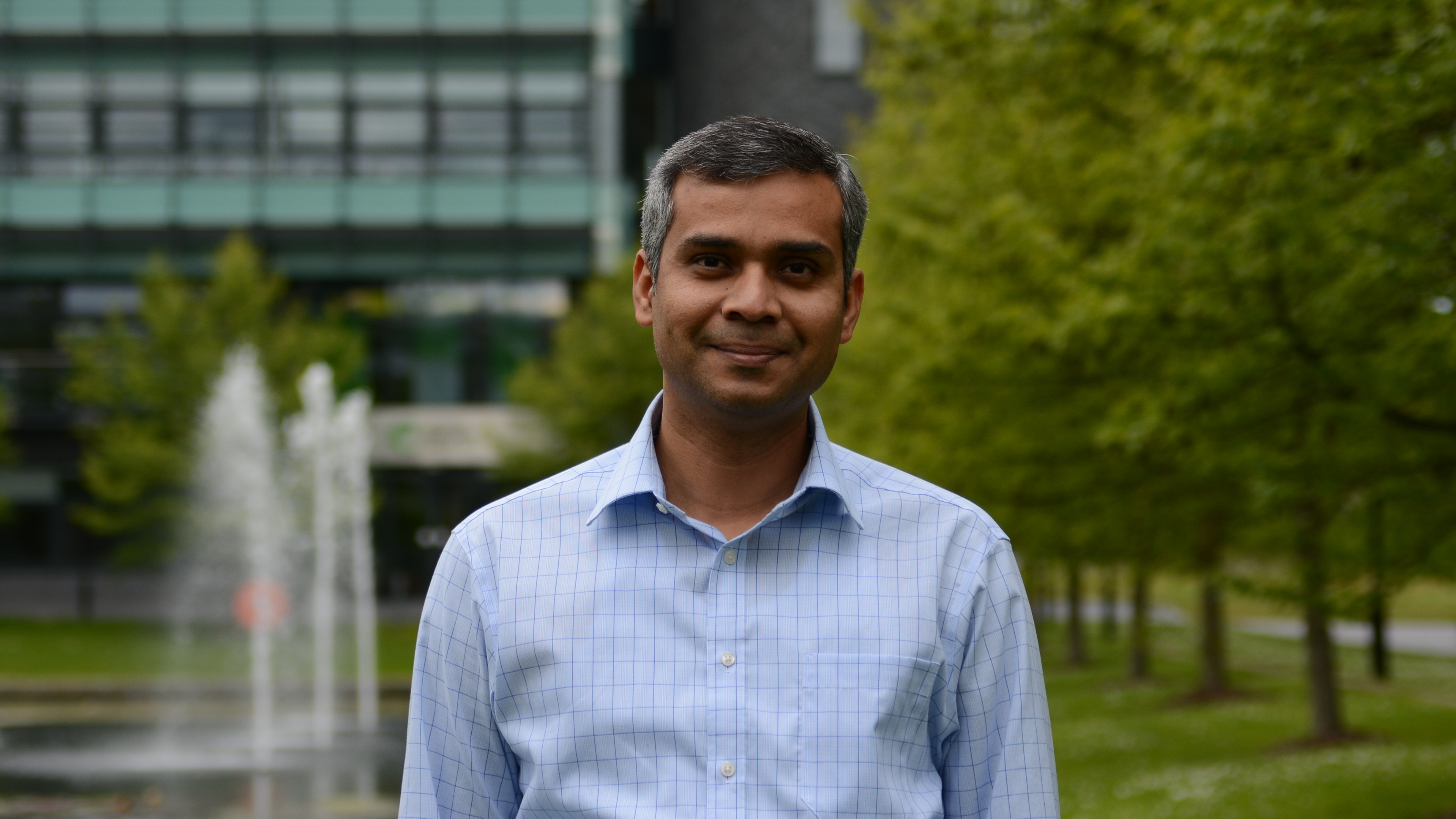
A University of Warwick computer scientist is working with technology that could revolutionise how some cancers are diagnosed.
A high-tech computer system is able to read samples of human tissue and aid pathologists in the identification of minute changes in cells that can indicate cancer is present. More than 10,000 slides were examined in the first phase of the study[1] which shows that pathologists are as good at accurately diagnosing cancer on a computer as they are with a microscope.
Now Professor Nasir Rajpoot is working with University Hospitals Coventry and Warwickshire NHS Trust (UHCW) to develop the next generation of image analytics to use with this technology.
The ground breaking technology has the power to help pathologists grade some types of tumours, including lung, prostate and bladder tumours with precision. In prostate cancer, for example, this could make the difference between someone being offered surgery rather than drug based treatments.
The computer system known as The Omnyx® Precision Solution™, can help pathologists to see the small differences in cells in the same way that they have currently been using a microscope, allowing them to make sound decisions on many aspects of cancer diagnosis.
UHCW is the first in the UK to introduce this kind of innovation to its routine practice, meaning it is already benefitting patients.
The Omnyx system digitises slides which are traditionally placed on a microscope so that pathologists can look at them on a computer. Once on the computer, the UHCW scientists have written programmes which will separate normal from abnormal samples.
Consultant pathologist David Snead said:
“I am delighted that University Hospital, Coventry has led this ground breaking study. This provides even greater evidence that digital pathology really works, and works well. The introduction of digital pathology has fantastic potential benefits for patients. We can expect to be able to read samples more quickly than before, and the big advantage is that we can use the computer to easily manipulate an image or its data. For some patients, this additional information may change how their disease is managed.”
Mamar Gelaye, CEO of Omnyx noted:
“Dr Snead and his team have made a significant contribution to showing the value of digital pathology for both clinicians and patients. We are only at the beginning of harnessing the benefits of digitising pathology services, and we look forward to working with institutions like University Hospitals Coventry and Warwickshire NHS Trust to achieve even greater progress in delivering more accurate and efficient cancer diagnoses.”
Dr Rajpoot said:
“This is a very exciting development in the field of digital pathology. What it means is that we can now move forward with the application of digital pathology image analysis algorithms in a clinical setting. For instance, computer algorithms can automate the process of detecting normal samples so that some routine cases will not need to be looked at by a pathologist at all.
“Together with the team at UHCW, we are looking forward to developing technologies for computer-assisted diagnosis and image analytics for discovering biologically meaningful and clinically relevant signatures of cancer.”