Computer Science News
Department of Computer Science wins BCS Education Bursary
The Department of Computer Science at Warwick University has been successful in applying for a BCS Education Bursary to provide support for ICT and Computing teachers. The department is 1 of only 31 institutions to receive the funding from over 200 applications.
The teaching of Computer Science in schools is undergoing major change. In response to teaching of ICT described as "demotivating and dull", Education Secretary Michael Gove announced the scrapping of the existing ICT curriculum in January and, more recently, plans to axe ICT teacher training courses next year.
‘Introduction to Computer Programming and Concepts’ is designed to provide much needed support for teachers, helping them get to grips with key Computer Science concepts and develop programming skills. We will be providing a supportive environment, teachers will have the opportunity to learn skills and learn from each other
The course will consist of six 3-hour events spread between November 2012 and April 2013.
The course is also supported by Computing At School and The Network of Excellence.
Daniel Kral joins the Department of Computer Science as a new Professor
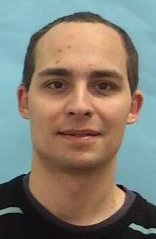
Daniel Kral joins the Department of Computer Science and the Warwick Mathematics Institute as a new Professor in October 2012. He is affiliated with the DIMAP Centre and with the FoCS Research group.
Daniel obtained his PhD in Computer Science in 2004 from Charles University, Prague, Czech Republic. Then he spent time as a postdoc at the Technical University Berlin, visiting assistant professor and Fulbright scholar at the Georgia Institute of Technology, Atlanta, researcher at the Institute for Theoretical Computer Science, Charles University, Prague, and finally a tenured associate professor post at the Department of Applied Mathematics and Computer Science Institute, Charles University, Prague.
Daniel's primary research interest lies on the boundary of discrete mathematics, combinatorics, and algorithms design. More detailed list of his interest includes extremal combinatorics and dense combinatorial objects, use of combinatorial optimization techniques in graph theory, structural graph theory, in particular, graph coloring, graph and matroid decompositions and their algorithmic applications. He published around 100 journal papers in leading international journals, including publications in Advances in Mathematics, Combinatorica, Computational Complexity, Israel Journal of Mathematics, Journal of Combinatorial Theory Series A and B, Journal of Graph Theory and SIAM Journal on Discrete Mathematics. Conference publication include those at FOCS, ICALP, SODA and STACS conferences. Daniel's research has been highly recognised by the number of invited plenary talks at international conferences, he has been awarded the prestigious European Prize in Combinatorics in 2011, and he is the recipient of ERC Starting Grant 2010 »Classes of Combinatorial Objects - from Structure to Algorithms«.
For more information about Daniel's research please visit his homepage.
Congratulations to Anna Adamaszek for completing her PhD
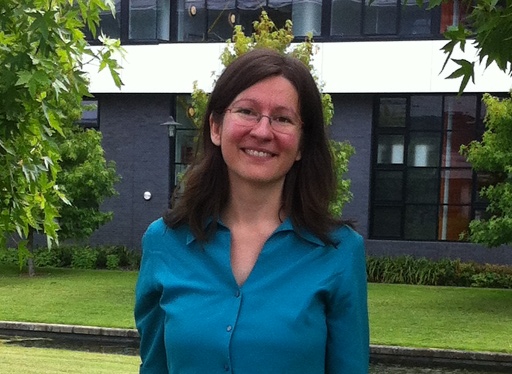
Anna Adamaszek successfully completed her PhD with the Thesis entitled "Approximation Algorithms for Geometric, Caching and Scheduling Problems", under the supervision of Prof Artur Czumaj.
Anna's PhD focuses on the study of approximation algorithms for optimization problems, one of the core areas of modern theoretical computer science. She has obtained research results in two areas: geometric optimisation algorithms and online algorithms. In the first topic, she presented new approximation algorithms for the capacitated location routing problem and the capacitated network design problem in the Euclidean plane. For online algorithms, she made a major progress in the study of two well known caching and scheduling problems: the generalized caching problem and the reordering buffer management problem. Her research has been presented in several most prestigious conferences in the field, including STOC'2011, ICALP'2011, and SODA'2012.
After completing PhD in Warwick, Ania moved to Germany, where she has been awarded a prestigious Lise-Meitner-Award postdoctoral fellowship at the Max-Planck-Institut für Informatik in Saarbrücken.
Victor Sanchez joins the Department of Computer Science as a new Assistant Professor
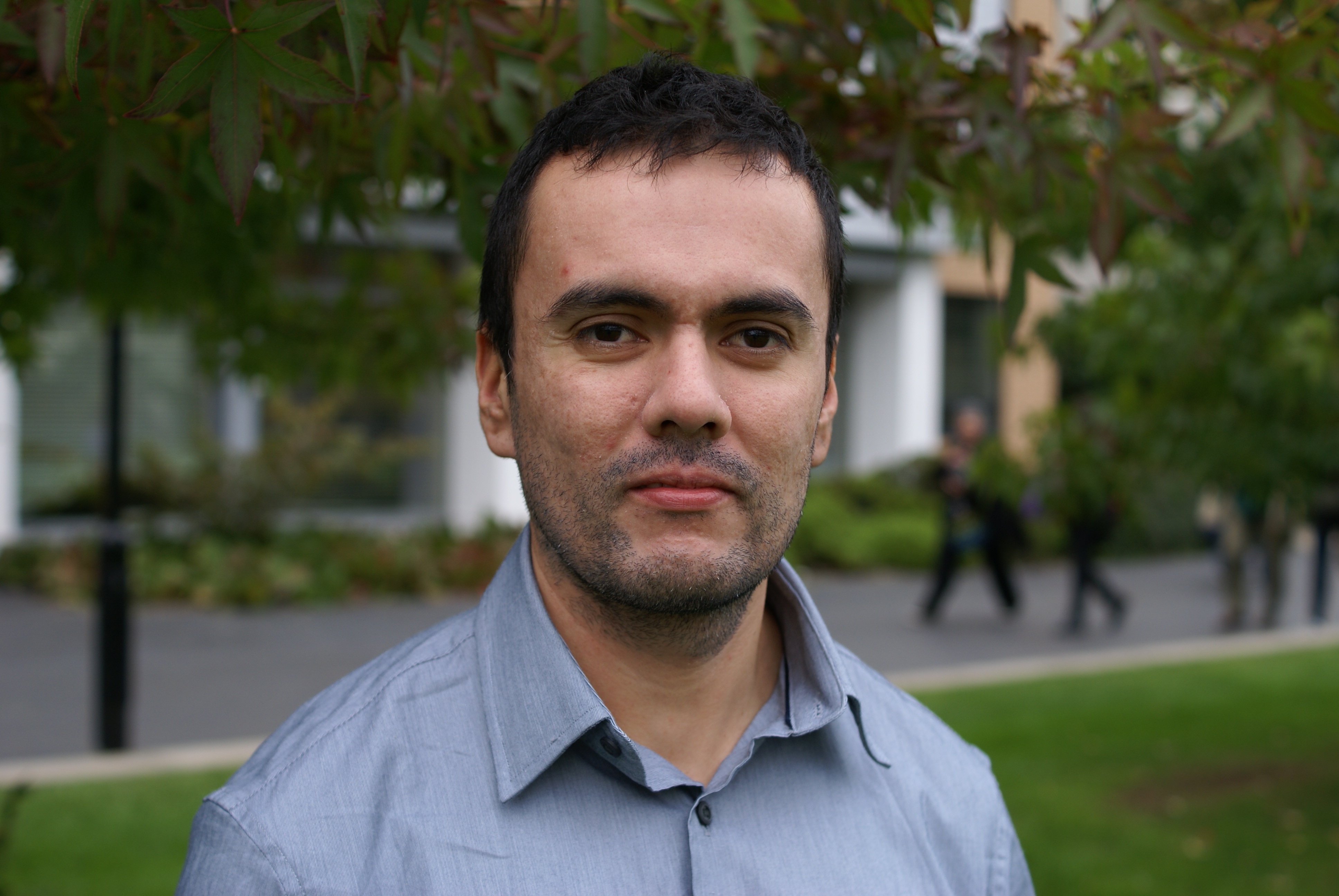
We are pleased to welcome Dr Victor Sanchez to the department who will be joining us as an Assistant Professor in October 2012.
Victor obtained his PhD in Electrical and Computer Engineering in 2010 from the University of British Columbia, Vancouver, Canada. He then joined the Department of Electrical Engineering and Computer Sciences at the University of California, Berkeley as a post-doctoral fellow, where he worked in the Video and Image Processing Laboratory.
Victor has been the recipient of research awards from the main federal funding agencies in Canada, CIHR and NSERC, and Mexico, CoNACYT. Victor's primary research interest lies in the areas of signal processing and discrete-event simulation with applications healthcare. He has published several papers in peer-reviewed journals and conferences in the areas of medical imaging, telemedicine and computer simulation in healthcare. Victor recently co-authored a book on computer simulation for healthcare evaluation.
Victor will be teaching the new module CS345 Sensor Networks and Mobile Data Communications.
For more information about Victor's research please visit his homepage at UC Berkeley.
A-Level Results 2012 - Congratulations to our new students

We would like to congratulate our new intake of student on their excellent exam results this year. The grade average for our Department's undergraduate intake has been rising steadily over recent years, and we are delighted to report that the intake for this year looks to be one of our best.
Warwick has an excellent reputation for attracting top-quality Computer Science, Computing and Business, and Discrete Mathematics students. Indeed, this is one of the reasons why we enjoy excellent employment statistics for graduating students.
This year we have a very healthy cohort - up about 25% on last year's intake. We would like to wish our new students all the very best for your time at Warwick and hope that you will find Warwick an energetic, exciting and inspiring place to study.
DCS Student Leads Workshop at Scratch@MIT 2012
Philip How, a recent graduate in MEng Computer Science, has returned to the United Kingdom after developing and leading a successful workshop at Scratch@MIT 2012. As well as marking the end of his undergraduate degree, Philip's role in this exceptionally popular event represents the culmination of a long-standing involvement with Warwick Technology Volunteers, a dedicated groups of technically minded students and staff members who make a significant contribution to the local community through involvement with schools.
Scratch@MIT is the biennial conference where educators, researchers and developers gather on the MIT campus in Cambridge, Massachusetts to share their experiences and imagine the possibilities of Scratch. The workshop that Philip led, entitled Sensing Our World, involved participants building a variety of sensors, ranging from simple sensors that relied on the conductivity of pencil tracks to working touchpads made from CD cases.
On his involvment, Philip is quick to acknowledge the contributions of those around him, noting that "The staff and students contributing to Warwick Technology Volunteers are fantastic. We couldn't have hoped to achieve what we have without the hard work and comittment of the team of staff and students involved, particuler Margaret Low. In my time here she's an fantastic at organising the efforts of students and liasing with local schools".
For more information please see Warwick Technology Volunteers and Department of Computer Science - Schools.
DCS Celebrates Alan Turing's Centenary

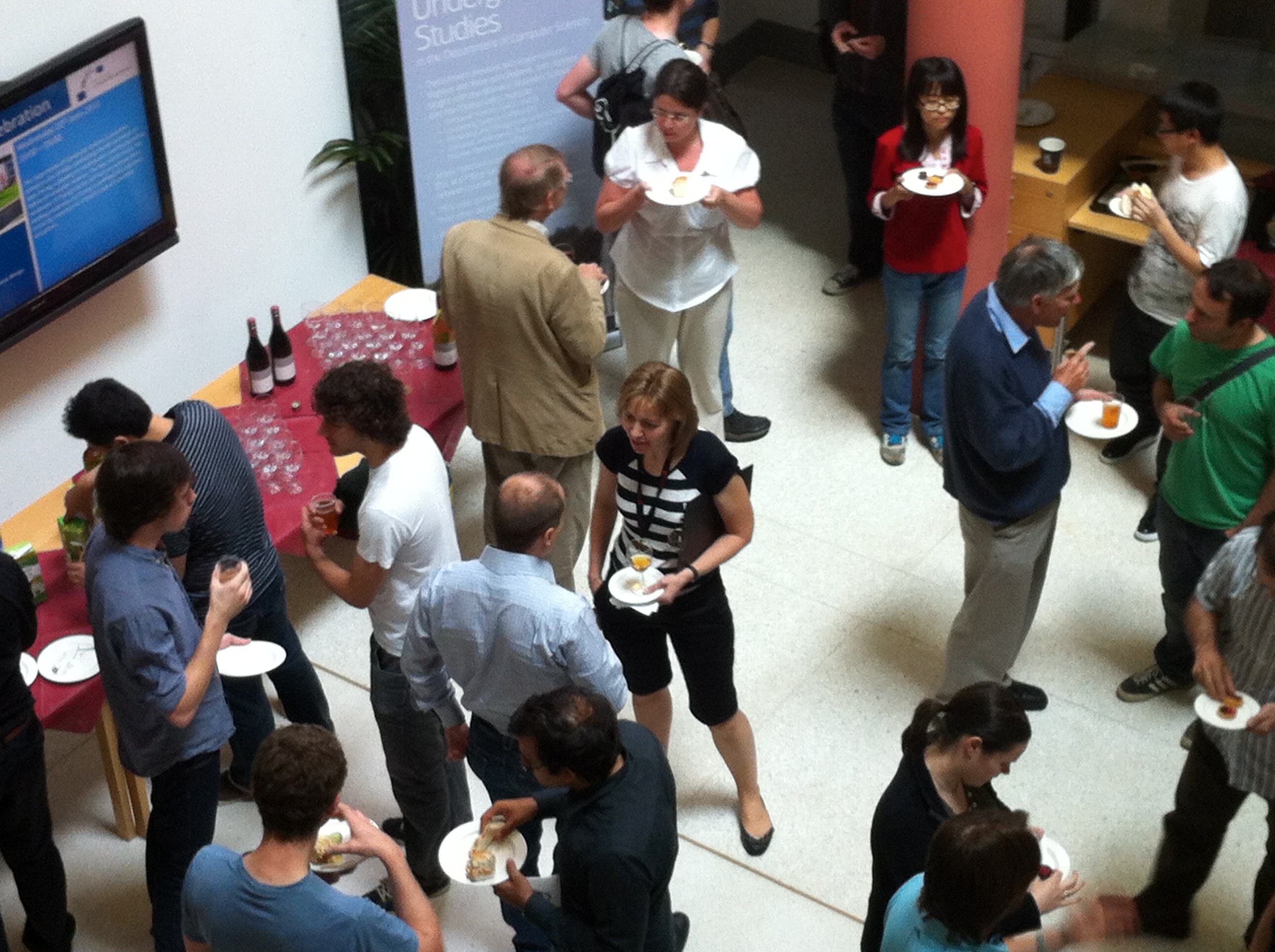
Wednesday 20th June saw the Department of Computer Science (DCS) host a celebration of the centenary of the birth of Alan Turing, a pioneer in Mathematics who is widely considered to be the founding father of Computer Science.
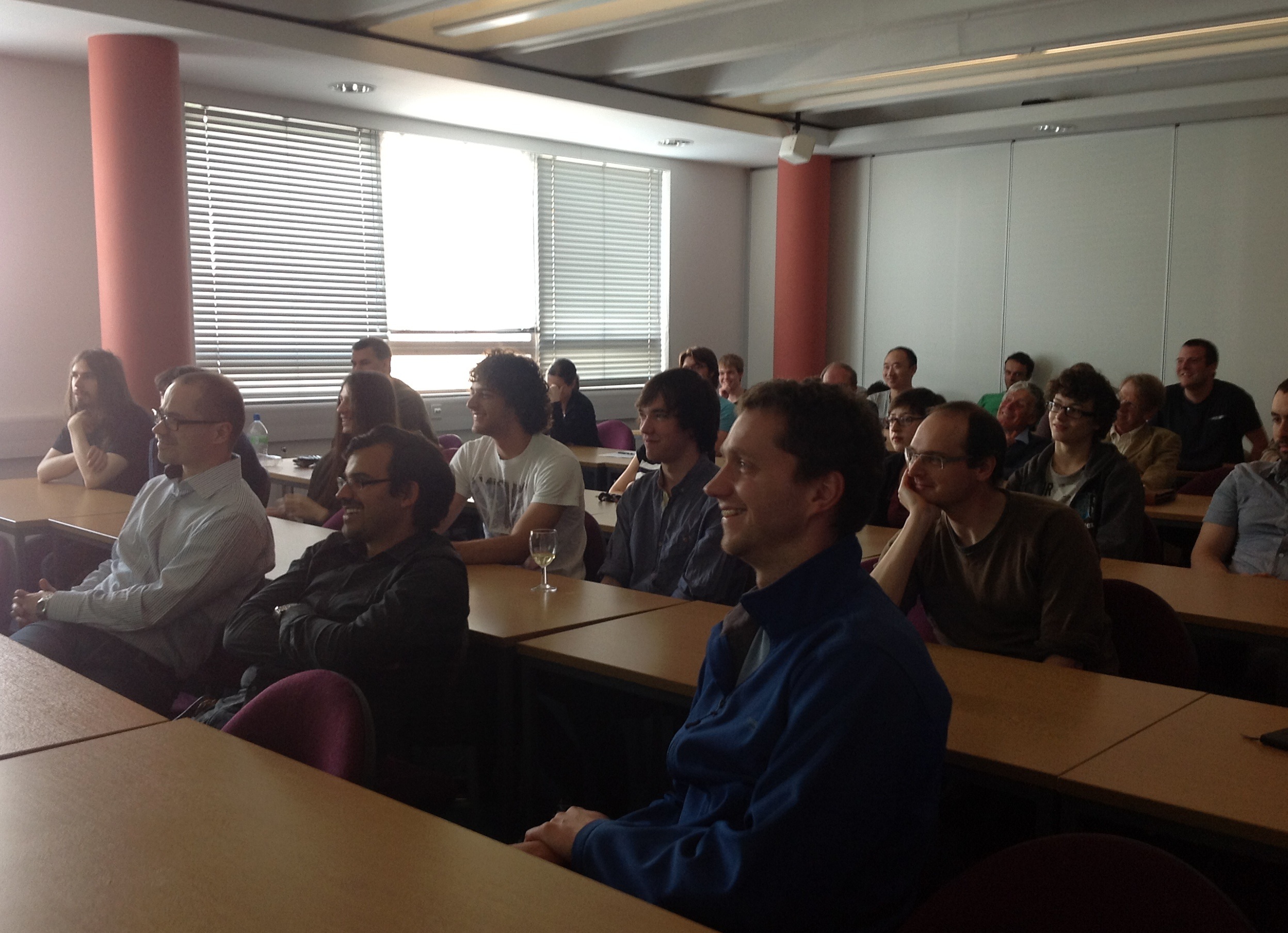
The event was well attended by both staff and students alike, with many undergraduates making the most of being free from exams. The highlight of the day were the talks, by three academics from DCS.
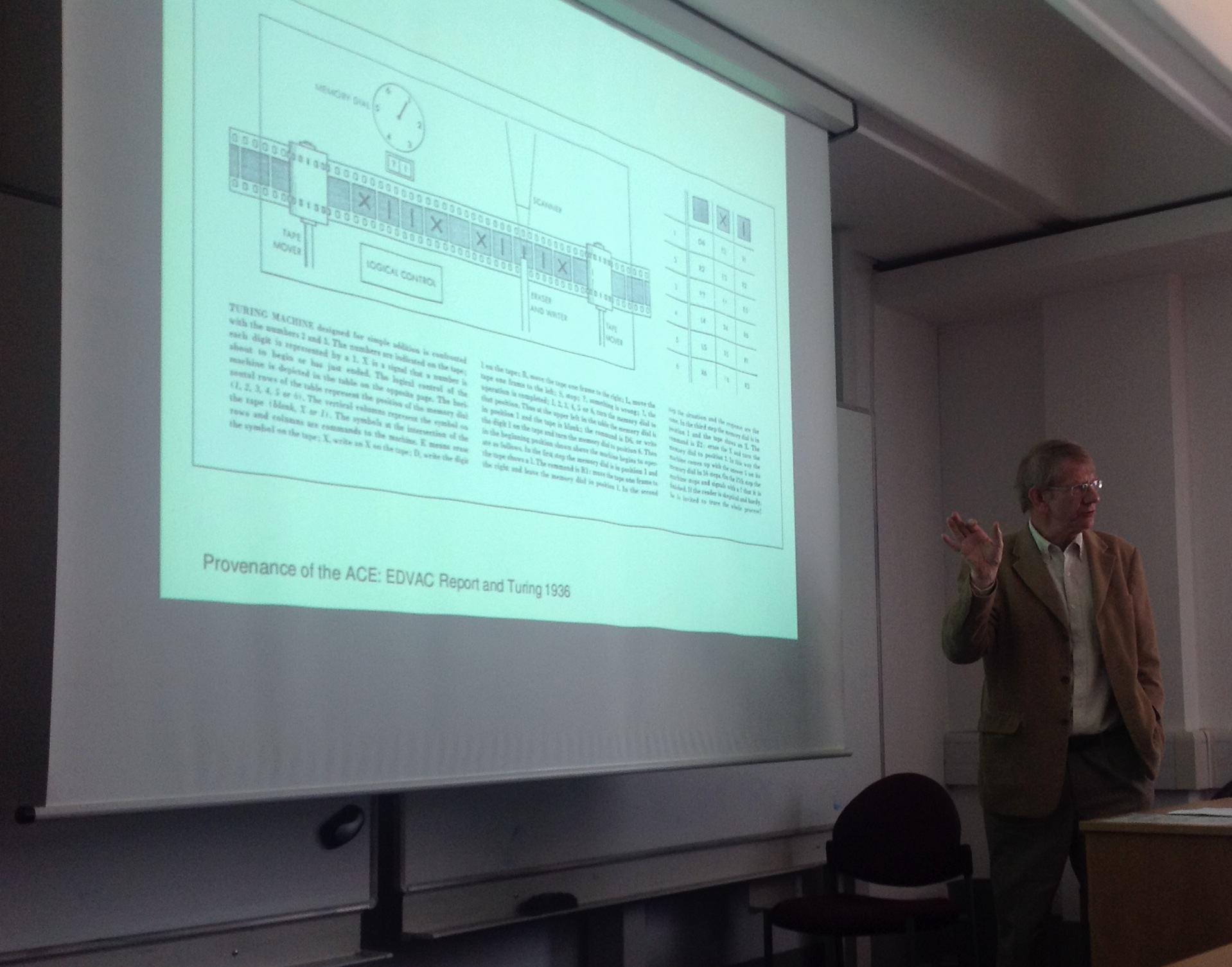
Martin Campbell-Kelly opened the day talking about the ACE, a computer designed by Turing that was at the heart of the British computer industry. The talk highlighted the relationship between Britain and America in the days before the founding of Computer Science as we know it, and provided an interesting perspective on the part Turing played in the development of the modern computer.
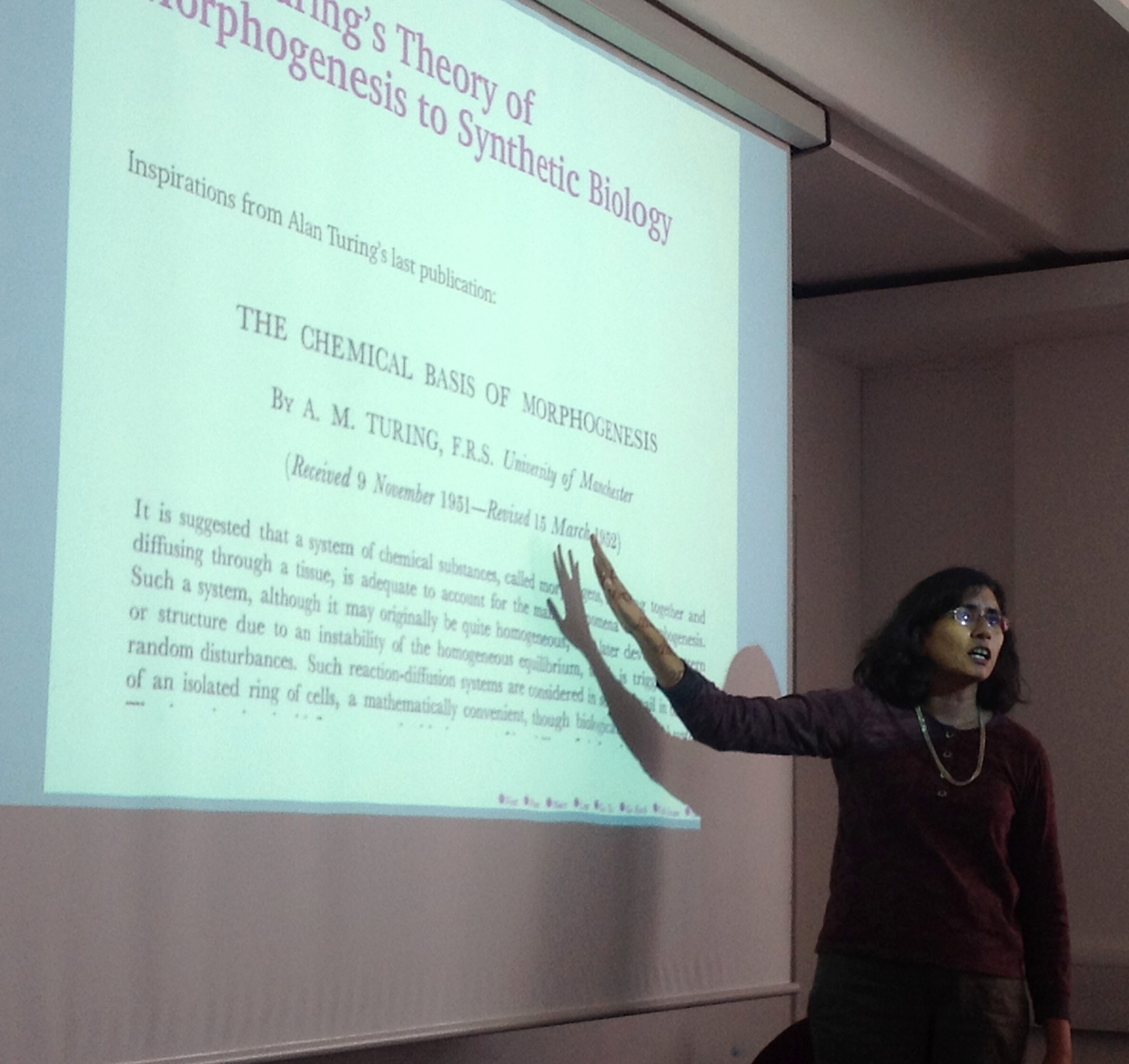
Following this bright start to the day, Sara Kalvala delivered a riveting talk on Turing's last published work - his theory of morphogenesis. Turing's theory provides an insight as to how cells that are identical can divide into the diverse range of cells that make up natural life. Sara also highlighted a recent paper that is thought to prove this theorem, going on to show how the popular press turned it into a theory of how tigers get their stripes!
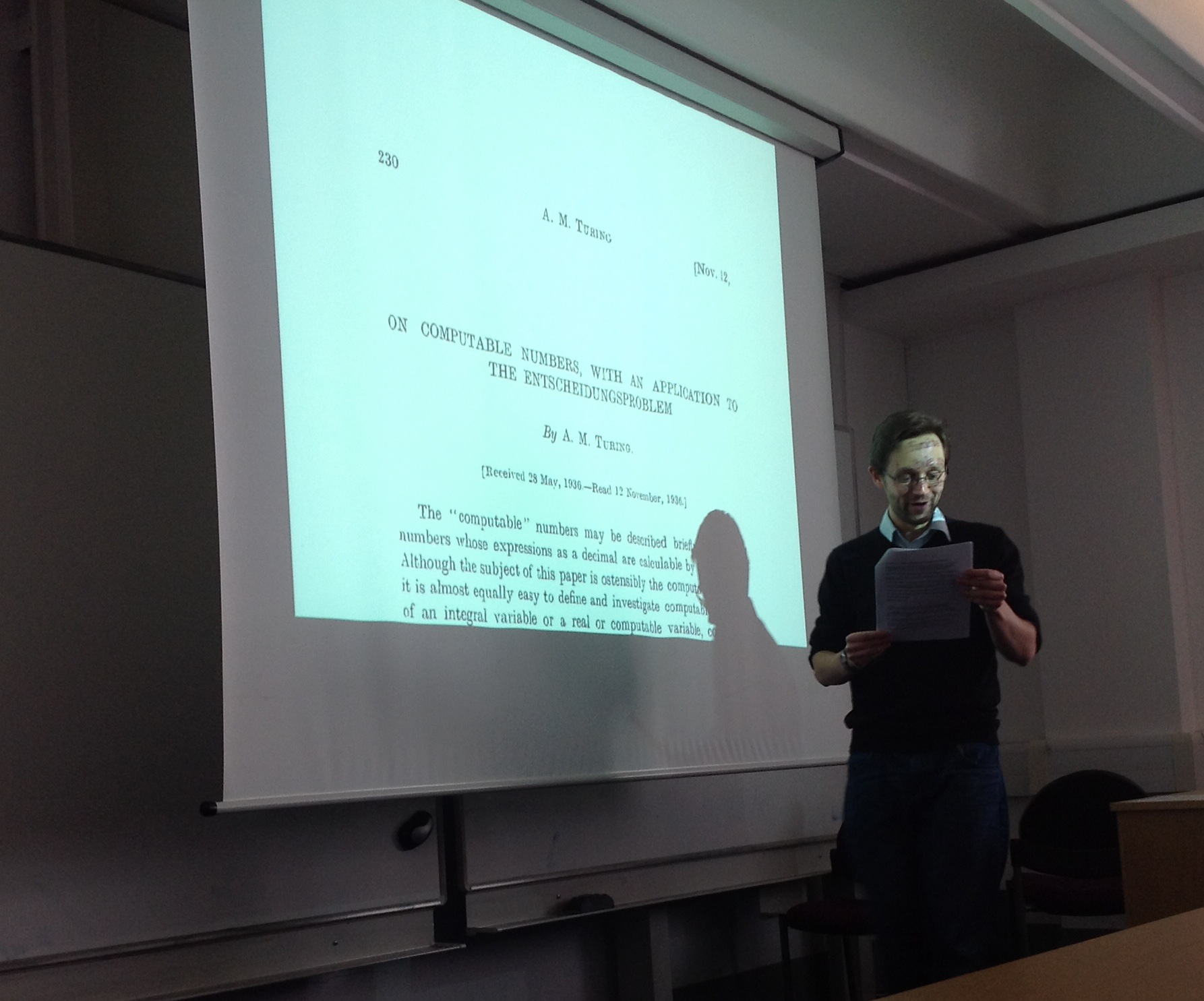
After lunch, Ben Sach concluded the day with a closer look at Turing's personal life. Beginning with Turing's early life, including his infamous 60 mile cycle to Sherbourne school, Ben's talk followed Turing's life through Cambridge, to Bletchley Park, and finally to Manchester University. This more intimate view of Turing, often told through extracts written by those who knew him best, provided a fitting end to the day of celebration by highlighting Turing's eccentric, yet charming nature.