
Artificial Intelligence News
CS PhD Welcome Event
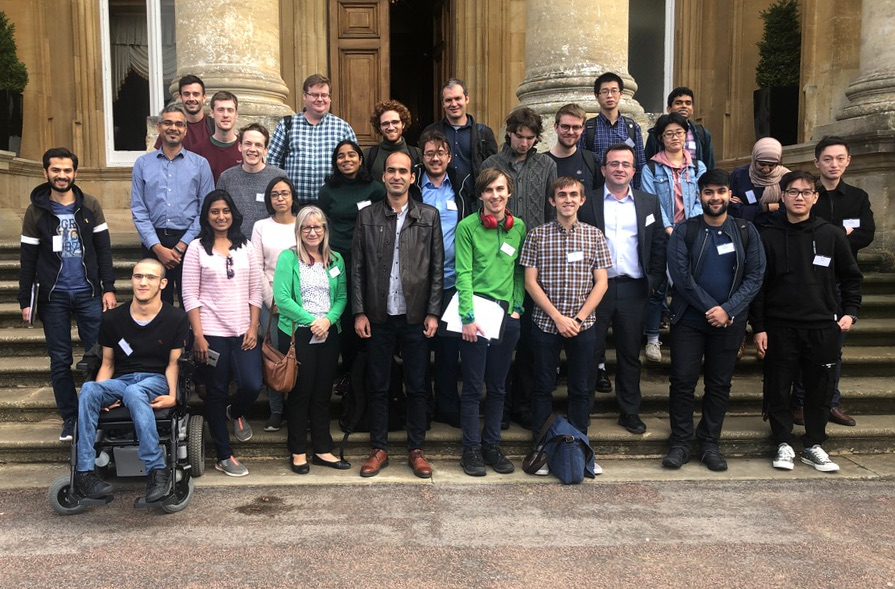
The Department organised an off-campus induction event for the new PhD students in our Centre for Doctoral Training and Research. The agenda included presentations from academics on our large research projects, alongside short tutorials on theoretical computer science and advanced machine learning. There were also informal talks about PhD life, publishing high quality work, and pursuing a research career. The event concluded with a mini data dive using air quality data from London.
The two-day welcome event was held at Heythrop Park in Oxfordshire, which offered the students and academics the opportunity to meet each other in a relaxed environment. The students also met with some of the current PhD students and asked them about their experiences. The programme was very productive with overwhelmingly positive feedback.
We welcome our new cohort of PhD students and look forward to organising similar events across the coming years.
New partnership with Samsung AI Research Centre Cambridge (SAIC)
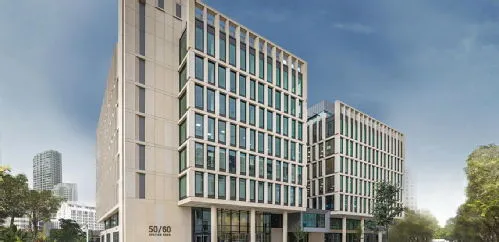 We are pleased to announce that the department has established a new partnership with the Samsung AI Research Centre at Cambridge (SAIC). The academic leading this collaboration, Dr Hongkai Wen, from the Artificial Intelligence and Data Science research themes, now works jointly at the University of Warwick and SAIC. The collaboration focuses on the area of efficient machine learning and on-device AI, which enables AI functions to be realised on devices themselves, without necessarily being connected to the cloud, offering more responsive, secure and privacy-preserving user experiences. It hoped that the research activities of this partnership will generate breakthroughs that can be integrated into millions of smartphones, televisions and home appliances.
Department hosts JP Morgan Technology Showcase, Bank of America Coursework Sponsorship and Citrix Security Workshop
The last week has seen a number of industrial engagements throughout the department.
On Tuesday, October 15th, Bank of America came in to announce their sponsorship of both CS118 Programming for Computer Scientists module and CS241 Operating Systems and Networks. Representatives from Bank of America were here all afternoon, including University of Warwick alumni, to tell our students what a career in finance technology is like, and how to shape their CVs for internships and graduate positions.
The day after, Citrix arrived to help some keen students develop a security based mindset. The students were split into groups of defenders and attackers, and had to out-think each other in order to either secure or steal valuable resources.
Then, on Friday, JP Morgan took over the atrium with their Technology Showcase. They spent the day demonstrating all the ways in which they use technology and even research new ideas, and not always in relation to finance. They also discussed with our students how their experiences and skills translate to a career in JP Morgan.
If you missed any of these events, there's still plenty of chances to get involved. We have a number of events coming up, so please keep an eye on the DCS calendar!