
Life in Halls 26-27
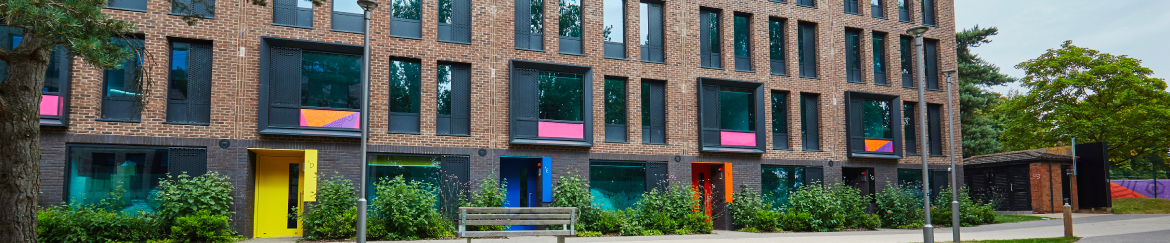
Welcome to The University of Warwick
We are glad you’ve chosen to join the residential community here at The University of Warwick and would like to offer you a warm welcome to campus life.
We know that living on campus is a vital part of your university experience and we want it to be the best that it can be. We want to work with you to create a safe, inclusive, and cooperative community where everyone can thrive irrespective of social, economic or cultural background. Our belief in the importance of equality, diversity and respect shapes everything we do for our community, and we hope that you will help us to uphold these values during your time here.
Moving into halls is often a big change. To help you get the most out of your stay, this handbook aims to help you settle in, feel part of our residential student community and to answer any questions you might have about living in on-campus residences.
Your wellbeing and safety are always our priority and we have included some useful contacts in this guide to help you access the support available to you on campus. If you are ever finding things difficult, need a chat or some advice, don’t hesitate to contact The Residential Community Team, Wellbeing and Student Support, or Community Safety.
Please read the information in this handbook carefully and refer to it, when needed, during your stay on campus. You can also contact us directly with any queries or concerns using the details on the useful contacts section of this guide. We are always happy to hear from you. Please be aware that when you sign your contract for accommodation, you agree to abide by the rules outlined in this handbook and the
Regulation 27 and Student Discipline.
Our team promises to always:
• Treat all residents fairly, respecting their rights and dignity
• Bring courtesy to all interactions with staff, students or visitors
• Collaborate with you to find solutions
Our Principles
The community you are now joining at The University of Warwick has five principles which encompass how we behave individually and as an institution.
We share these principles with all new students and staff members when they arrive at The University of Warwick.
The principles underpin our desire to give students the best experience possible whilst studying here.
Principle 1: We treat everyone with respect
Principle 2: We do not tolerate discrimination
Principle 3: We do not tolerate sexual misconduct, violence or abuse
Principle 4: We keep our campus and community safe
Principle 5: “We” means all of us, students and staff alike
You can read more about these principles here.
About your room
Once you have been assigned to a specific room in a residence, you must comply with the allocation, this means that you cannot informally swap rooms with other residents on campus.
Staying in your allocated room helps us keep our residential community safe and secure.
If you wish to request to move to different accommodation, you should contact Warwick Accommodation in the first instance, and your request will be considered.
If you are considering a move due to conflicts in your flat, the Residential Community Team can help to mediate and support you to find a resolution with your flatmates.
Your room will have a bed including mattress and mattress cover, space to store your clothes and belongings, and a study space. All bedrooms are fitted with curtains or blinds for privacy. You will need to provide your own bedding. You must not remove furniture, fittings or any other university property from your room or residence.
You will need to provide your own duvet, pillows, and bed linen. You are responsible for making your own bed and laundering your sheets. You can read more about laundry in the A-Z section of this guide.
To find out what size bedding you need for your room please check the Warwick Accommodation pages.
Please take care of the furniture and fittings provided in your room, they are property of The University of Warwick, and you will be charged for damage or breakages which are not the result of normal wear and tear.
All shared kitchens are fitted with the following basic items:
• Sink
• Cooker
• Microwave
• Kettle
• Toaster
• Fridges and freezers
You will have to provide your own crockery, cutlery, and cooking utensils. You may want to speak with your flatmates about sharing some items, but this should be arranged with them directly as not everyone is comfortable with sharing some items.
Some kitchens may include additional items, please check your residence webpage for exactly what is included.
If you aren’t quite sure what to bring, there are plenty of shops locally where you can find new and second-hand items for the kitchen when you arrive. Keep an eye out for the Kitchen Kit Market held by the Energy and Sustainability Team on campus during Welcome Week for sustainable options of purchasing items you may need!
You may choose to bring small appliances such as air fryers or rice cookers with you. However, we cannot allow you to bring your own domestic items such as fridge - freezers, dishwashers or washing machines with you to your residence. If you choose to bring small cooking appliances with you, you will be responsible for making sure they are used safely, i.e. they are kept clean, not left unattended in use, and are switched off at the wall after use.
You cannot store or use any kitchen or domestic appliance in your room. The only exception to this rule is if you need a mini fridge in your room for medical reasons, and this needs to be approved in advance by following the specific accommodation requirements process.
As everyone arrives on campus support will be available from our Residential Community Assistants (RCAs). The RCAs are easy to spot in their pink t-shirts/hoodies and can offer you support and advice to help you settle in during your first few days on campus.
Be sure to make some time to socialise with your flat and get to know each other. Speak about your expectations around cleaning, food sharing and noise. Setting boundaries and having open communication can help to build the community in your flat. We have provided a poster which you can personalise with your flatmates to help with these conversations, you will find this in your kitchen when you arrive.
We hope you will enjoy exploring campus and getting to know your new home.
If you will be away for one night or more, please complete the absence form on the Residential Community Team website. It is important that we know who is and isn’t on campus in case of an emergency.
Student absence formLink opens in a new window
Absence for 7 or more nights
If you are going away for a period of 7 days or more, please make your Residence Manager aware by visiting or contacting your local Residence HubLink opens in a new window as the Campus Cleaning Services Team can undertake water flushing in your room to maintain a hygienic water supply for all residents.
If you plan to stay on campus over vacation, please complete the staying on campus form. The Residential Community Team organise social events during both term time and vacation periods and will be able to keep you informed about what’s happening across campus during vacation.
We ask that you vacate your accommodation by 10am on the final day of your contract. You should leave your room as you found it. Remember to check your room before leaving to make sure you have taken all your belongings. We cannot keep any property left behind in residences at the end of your contract and will have to dispose of any left items.
If you have any items you can’t take with you, consider donating them during the Donation Drive or storing them off campus over the summer.
Before you leave campus, you must return your key to the Student Information Centre (Senate House).
If you are departing before your contract end date it is essential that you complete the Departure Form so that Accommodation is notified of your departure to ensure that this is formally logged.
Security and Safety on and off campus
The Community Safety Team are available 24/7/365; you can always call them if you see something suspicious on campus, or you are concerned for yours or another person’s safety.
We are lucky to live on a safe campus with low rates of crime. However, it is always important to be vigilant with your personal safety.
Here are some important tips for staying safe on and off campus:
• Do not take short-cuts through poorly lit areas.
• Travel in groups of two or more whenever possible.
• Do not carry large amount of cash or valuables and keep expensive items out of sight when you do carry them.
• Be aware of your surroundings at all times; avoid using your phone while walking.
To help keep your residence safe and secure it is important to follow these tips:
• Always shut your door and close your window when you leave, even if you are only popping to the kitchen. Think of your study bedroom door as the front door to your house. Never leave your door wedged open even for short periods.
• Never leave your laptop or valuables visible through a window. This is particularly important in ground floor flats.
• Keep the entrance door of the residence locked at all times. Do not prop open the door, open it for anyone you do not know, or allow strangers to follow you into the block.
• Try not to lose your key fob or key. If you do lose it you can get a replacement from the Student Information Centre or Community Safety out of hours.
If you leave your room insecure, any loss or damage to University property will be charged to you.
Roads on campus should be approached in the same way as general highways.
Please be aware that there are a number of areas on campus which are designated as shared spaces. This means that pedestrians, cyclists, and motorists may mix. Don’t take risks in these areas and pay attention to safety.
Please concentrate whilst you are crossing the road and give traffic your full attention. Do not use your mobile phone when crossing, remove headphones and turn off music devices.
Always use designated crossings where one is available. At a crossing with traffic lights, press the button, wait for the traffic to stop and the signal to appear (a green man) before crossing.
When crossing the road, always look both ways, ensuring the road is clear and safe to cross before proceeding. Always look right first because traffic uses the left-hand lane in the UK.
See Campus Walks for maps of available walking routes. Further information for travelling on foot is available here.
Do not drive whilst under the influence of alcohol or illegal drugs. It is against the law.
Please be aware of areas where there is likely to be increased pedestrians, such as schools, business parks, shopping areas, roads with pedestrian crossings.
Familiarise yourself with your route, leaving enough time for your journey, to enable you to arrive at your destination safely.
Always adhere to road speed limits.
The speed limit on campus is 20mph and 5mph in the residential areas. Stay alert.
Do not use your mobile phone whilst driving. It is against the law
Make sure you are visible to other road users. Do not wear dark clothing. Wear a cycle helmet and bright, fluorescent clothing.
Use white front and red rear lights whilst riding on the road at night.
Cycle on the left-hand side of the road.
Use cycle paths/routes where available. Do not cycle on the pavement.
Give way to traffic from the right on roundabouts.
Stay alert. Do not talk on your mobile phone whilst riding and remove headphones.
Do not ride whilst under the influence of alcohol. It is against the law.
Observe safety signage and dismount from your bicycle when instructed to do so.
Disciplinary Procedure
The Life in Halls guide aims to help prepare you for life on campus and to understand our expectations of you as a member of the residential community.
The University has a formal regulation which upholds these rules and values, Regulation 27. Regulation 27 applies to all students living in University on campus accommodation.
If there is a breach of Regulation 27, the Residential Community Team will begin an investigation
A student subject to any investigation will receive a letter from the Residential Community Team informing them of the nature of the incident being investigated, and the next steps.
During the investigation any students involved will be offered the chance to meet with a member of the Residential Community Team to give their version of events; these meetings can be held in person or online.
The student may bring with them to the meeting another current student of The University of Warwick (not witness to or involved in the case) or a member of staff from The University of Warwick or the Students’ Union in support. The student will have the opportunity to present their views in writing and/or in person and supply any evidence in mitigation prior to any decision and sanction being assigned. The student will normally be expected to present their own case and speak on their own behalf
Following the investigation, the Residential Community Team will notify the student of the outcome and any related proceedings. Possible outcomes include: Attendance at behavioural impact sessions, reflective tasks, fines, charges and referral to other relevant departments within The University of Warwick. The student will be notified of their right to appeal a decision.
In some cases, an investigation may be referred on to the Conduct and Resolution Team for consideration under Regulation 23. As a result of disciplinary action under Regulation 23, students may be moved to alternative accommodation; any such move will be to the same or higher standard of accommodation and will not incur any additional cost to the student.
If an investigation is delayed due to reasons outside of the control of the Residential Community Team, the student will be kept informed with expected timescales.
Regulation 27 - Student Discipline
Regulation 23 - Student Disciplinary Offences
The outcome of any investigation undertaken by the Residential Community Team (excluding cases escalated to the Conduct and Resolution Team) is not shared with any other agency, department or individual unless withholding this information would cause or increase risk of significant harm to any group or individual.
If you are not satisfied with the service provided to you at The University of Warwick, you can raise a complaint. You can read about The University of Warwick’s complaints process, and lodge a complaint online.
Useful contacts
Chaplaincy
The University of Warwick has a multi-faith chaplaincy on central campus. All students are welcome to use the chaplaincy space to pause and reflect. They have a lounge and study spaces.
Chaplaincy listen confidentially and nonjudgmentally. They are here for everyone: whether you belong to a particular religion, faith, or belief, none at all or if you’re asking questions. If you have a particular religion, faith, or belief they are able to help you meet with people who share your tradition and can offer you support and companionship.
Community Safety Team
The Community Safety Team are here to help keep everyone on campus safe. All officers are trained in first aid, including mental health first aid, and they should be your first call in an emergency on 02476 522222. You should use this number if there is a serious first aid concern, or you witness a crime in action. This gives the team the best chance of getting support to you quickly.
If you see something suspicious, or you need their help with security-related issues, such as personal safety advice, call them on the non-emergency number 02476 522083.
Non-Emergency – 02476 522083
Emergency – 02476 522222
You can also use the SafeZone app to communicate with Community Safety - learn more here.
NOTE: On campus, Community Safety will call the emergency services on your behalf. A Community Safety Officer will assist you whilst the emergency services arrive, and the Community Safety Team can also give access behind barriers and into residential halls if needed. This enables emergency services to gain access to campus as quickly as possible to assist in an emergency.
Disability Services Team
The Disability Services Team is part of Wellbeing and Student Support at The University of Warwick. You can contact them through Wellbeing Support.
We encourage you to contact disability services in advance of your course starting to discuss your support requirements and organise reasonable adjustments for the duration of your studies. They can help you to manage the impact of a disability, including specific learning differences, mental health, ASD and long-term medical conditions.
Read more about how the Disability Team can help you here
Residential Community Team
The Residential Community Team is a part of the Wellbeing & Safeguarding Directorate and we are here to support you with all aspects of residential life.
Our team of Residential Community Assistants (RCAs) are current The University of Warwick students who offer peer support through:
• Community Wellbeing – you can always speak with us if you have questions or need advice or support.
• Community Behaviour – we promote positive behaviours to ensure our halls are safe, inclusive, and welcoming spaces.
• Community Building – we want you to get to know each other and know you belong! We organise activities, challenges, and events to help break the ice.
• Community Engagement – we want to stay in touch, keep you informed, and make sure your voice is heard.
Look out for the RCAs in your residence, the Residences’ Hubs, the RCT Hub, and around campus - they’ll be wearing pink t-shirts/hoodies!
Contact us: The Residential Community Team are available to residential students 24 hours a day, 365 days a year.
The Residential Community Team Hub (Rootes, Red Square) is staffed: Monday to Friday 09:00 – 22:00
Weekends 12:00 – 22:00
Telephone: 02476 524702
Email: Rescommunityteam@warwick.ac.uk
Contact us online: Complete an Online Triage Form
RCAs: Come have a chat with us! You can speak with RCAs in the RCT Hub and in Residences’ Hubs:
Monday to Friday 17:00 – 22:00
Weekends 12:00 – 22:00
You can also arrange an appointment with RCAs in advance by contacting the main RCT Hub or by completing an Online Triage Form.
Out of hours (post 22:00) and statutory/customary holidays Call one of your on-call Residential Community Assistants on the numbers below for support and advice out of hours (after 22:00) or on Statutory/ Customary Holidays.
Arthur Vick, Benefactors, Bluebell, Claycroft, Jack Martin, Rootes, Tocil and Westwood: 07884 733042
Cryfield, Sherbourne, Heronbank and Lakeside: 07881 267519
Student Funding Support
You can contact Student Funding Support for advice on bursaries and scholarships, Government support and hardship funding.
Monday to Thursday 09:00 – 17:00
Friday 09:00 – 16:00
Telephone: 02476 150096
Email: studentfunding@warwick.ac.uk
Wellbeing and Student Support
Whether you’re experiencing a pastoral or welfare issue, Wellbeing and Student Support are there to provide a proactive and reactive range of support, in a safe and confidential manner.
Wellbeing and Student Support includes:
• Wellbeing Practitioners - practical advice and emotional support
• Disability Services
• Counselling and Psychotherapy Services
• Mental Health Nurses
• Sexual & Domestic Abuse Advisers
• Peer support groups
• Self-help resources
Location: Senate House, ground floor
Opening hours:
Monday to Thursday 08:30 – 17:00
Friday 08:30 – 16:00
Brief consultations: 10:00 – 15:00
Telephone: 02476 575570
Brief Consultations: For a quick response, we recommend an online or in-person brief consultation with a member of the Wellbeing team, who can help you identify your needs and next steps. Brief consultations are available each weekday - Monday to Friday - between 10am and 3pm.
You can access a face-to-face Brief Consultation by going to Senate House in person.
You can access an online Brief Consultation through the Wellbeing Portal.
As this is a drop-in service, please expect a bit of a wait. For out-of-hour and urgent support, please see these Support and emergency contacts
Accommodation
The Accommodation Team are here to answer any questions or queries about your tenancy on campus.
Opening Hours:
Monday to Thursday 09:00 – 17:00
Friday 09:00 – 16:00
Phone: 02476 523772
Email: accommodation@warwick.ac.uk
Or visit our contact us page here
Student Finance
For information about making payments for your course fees and accommodation, or receiving payments from Student Finance, you can visit the Student Finance pages here.
Residence Managers
Your Residence Managers oversee the cleaning, maintenance and day to day running of your residence block. You can find your residence managers in your residences’ hub:
Monday to Thursday: 09:00 – 17:00 and Friday 09:00 – 16:00
Report & Support
Everyone at The University of Warwick, whether studying, working, or visiting, has the right to feel safe. Harassment, bullying, discrimination and sexual misconduct of any kind are completely unacceptable, and our community is an environment where prejudice and socially unacceptable behaviours are never tolerated. You can seek support and/or report any incidents through Report and Support.
Report + Support - The University of Warwick
Student Information Centre
The Student Information Centre is staffed seven days a week and can be found at the very heart of campus to help you access whatever it is you need, day or night.
They are the ‘face’ of Warwick Accommodation, Student Records, Student Finance, and many other academic-related enquiries. They are also your first port of call for lost ID cards and keys.
Senate House (Ground Floor) The University of Warwick Coventry, CV4 7AL United Kingdom
Telephone: 02476 522280
Email: studentinformationcentre@warwick.ac.uk
NOTE: Please make sure you state your name and ID number when emailing.
Health Centre
As a campus resident, you can register at the Health Centre located on central campus and we’d encourage you to do this as soon as possible.
The University of Warwick
Health Centre Road
Coventry
CV4 7AL
Phone: 0247 526 3418
Email: uniadmin.m86029@nhs.net
You can register as a new patient here.
Sports and Wellness Hub
The Sports and Wellness Hub has state of the art sports facilities right here on campus. You can sign up for a discounted membership.
You don’t have to join the gym to get active on campus! You can take part in campus Rock Up and Play for free. There are up to 50 hours of free sports sessions running every week. You can find out more about Rock Up and Play here.
Opening times (excluding Climbing Centre):
Monday - Friday: 06:00 – 23:00
Saturday - Sunday: 07:00 – 20:00
Email: warwicksport@warwick.ac.uk
Warwick SU
The Students’ Union is at the centre of campus life at The University of Warwick. Check out their website for information on events, joining societies and their current campaigns.
Students’ Union - Your Union
The Warwick Students’ Union Advice Centre offers free, professional advice and representation. You can find out more about the service here.
Fire Safety
During your time living on campus, we must work together to ensure a fire safe environment for you, your housemates, our staff, and visitors. By following these simple precautionary actions, we can together ensure a safe and enjoyable place for you to live.
As a resident, you must ensure that you do not do anything that:
• Creates a significant risk to your building’s structural safety
• Creates a significant risk of causing or spreading fire in your building
• Damages, removes or blocks any of your building’s fire safety measures, such as smoke detectors, fire alarms, fire doors, and fire extinguishers
• Causes obstruction to corridors or escape routes such as storing items
As your service provider we commit to:
• Providing a safe place for you to live
• Inspecting all fire doors regularly
• Testing your fire detection equipment
If you have any fire safety concerns within your building, please report these to The University of Warwick’s Estates Helpdesk as soon as possible using this form: Fault reporting
We have policies and procedures in place to reduce the risk of fire and to keep you safe. You can view these policies and procedures here. The following guidance is designed to supplement these policies and procedures.
If you find a fire and the alarm is not sounding it is your responsibility to raise the alarm by shouting FIRE.
Activate your nearest accessible red ‘break glass’ point and leave the building.
Once outside, distance yourself from the building, make your way to your designated assembly point or a safe place, and contact Community Safety on the emergency number: 024 76 522222.
You can find Community Safety in the useful contacts section of this guide
Leave the building immediately via your nearest fire exit.
You must leave at any time of day or night.
Do not stop to collect your belongings.
Do not use the lift.
These will not be operating in the event of a fire.
Close all doors behind you.
Once outside, distance yourself from the building, make your way to your designated assembly point or a safe place, and wait for direction from Community Safety.
Do not return to the building until you are told it is safe to do so. If unsure, please call Community Safety.
All escapes routes are signed. Take the time to find these routes when you move into your new residence.
Failure to evacuate your residence in the case of a fire alarm may lead to disciplinary action. You can read more about this under disciplinary procedures.
You must evacuate in the event of a fire alarm, regardless of whether you believe there to be a fire or not.
If you need support evacuating, Community Safety Officers will be on their way to help you. If you have any concerns during an evacuation, you can also call Community Safety on their emergency number 024 76 522222.
If someone in your residence needs additional support in evacuating, do not try to evacuate them yourself. Notify Community Safety, who have specialist equipment and training.
All students who may struggle to get out of a building on their own in an emergency must complete a Personal Emergency Evacuation Plan (PEEP) form to determine the level of assistance they may require. Further information can be found here:
Personal Emergency Evacuation Plan (PEEP)
A PEEP may be needed for someone with an impairment or disability such as:
• Mobility impairment
• Sight impairment
• Hearing impairment
• Cognitive impairment
• A medical condition or injury which might cause them to need assistance to evacuate safely
Fire doors are a vital part of safety. They can trap fire and smoke for 30-60 minutes. This allows more time for the fire service to reach the fire and extinguish it before it spreads through the whole building. If the fire doors in university halls are wedged open, a fire could spread extremely quickly, putting lives at risk and potentially leaving buildings to be deemed unsafe to live, meaning students might need to be rehomed.
- Hooks/hangers that go over a door are not allowed as it compromises the fire stopping integrity of the doors.
-
Do not leave any fire door wedged or propped open.
-
Do not tamper with or damage any part of a fire door.
-
If you see a fault, issue or damage on a fire door, please report it.
There are fire extinguishers in all residences. These are only to be used if your exit is blocked as a last resort.
You will find fire blankets in the kitchen areas. These can be used to smother small cooking fires if it is safe to do so, and you feel confident.
All bedrooms and communal areas are fitted with smoke detectors. These can be activated by heat, smoke, steam or other vapors. In order to avoid false alarms, please consider the following:
• Keep the door closed when showering or running hot water in your bathroom or ensuite.
• Be mindful of where the detection device is when using aerosols such as hairsprays and deodorants or using hairdryers or other styling tools.
We have a zero-tolerance policy in campus residences regarding tampering with fire detection devices or firefighting equipment. This includes covering smoke detector heads or deliberately setting off alarms or fire extinguishers.
If any resident is found to have tampered with fire safety equipment, the Residential Community Team will take disciplinary action, which may include escalation to the Conduct and Resolution team.
You can read more about this under disciplinary procedures. Additionally, charges for repair fees may be incurred
To help improve fire safety in our residences we do not allow residents to store or use flammable substances or have open flames in residences, including communal and outdoor areas. Prohibited items which pose a health and safety risk to our residents will be removed immediately.
Prohibited items include, but are not limited to:
• Candles, tealights, incense sticks
• Fireworks
• Portable heaters
• BBQs, butane gas, blow torches
• Personal e-bike or e-scooters including batteries and chargers
• Chip pans and deep fat fryers
Fire alarms are tested weekly at approximately the same time. The exact time and date will vary between your residences and will be advertised locally. Please speak with your Residence Manager if you have any questions about fire alarm testing in your residence.
You will know the alarm is being tested because it will go off for a short duration. In an emergency, the alarm will sound continuously. You do not need to evacuate for a fire alarm test.
Fire drills (or planned evacuations) will be carried out in all residential buildings on campus during the first 2 terms of each academic year. The drills are conducted without prior warning. This is so we can gauge how prepared our residents are for a real fire evacuation.
If you hear a continuous alarm, you must always evacuate immediately.
A-Z of Life in Halls
Access
You are the only resident with access to your bedroom, and your flatmates are the only residents with access to the doors to your flats. However, for safety and maintenance, some university staff may need to access your room. You will usually be given 24 hours’ notice that your room will be accessed. However, in an emergency, you will not be given notice. All staff carry university ID and should knock on your door before entering.
Examples of reasons for staff access to your room:
- Viewing - such as on open days
- Inspection - such as checks to ensure your room is in a clean and tidy condition
- Routine maintenance - such as PAT testing and fire safety checks and water flushing
- Repairs including emergencies
- Emergency cleaning if required
- The Community Safety Team may enter your room if they reasonably suspect a criminal offence or a risk to the health, safety and wellbeing of yourself or others
For safety, your door self-locks when it is closed. It is important to always carry your key so you can access your room and the kitchen. Never wedge your bedroom or kitchen door open, even if you’re only leaving for a moment. For more information, see the keys section of this guide
Alcohol
We encourage students who drink to do so responsibly. The University of Warwick has resources to help improve alcohol awareness in our community - we encourage you to familiarise yourself with these and with the Illegal Drugs and Alcohol University Policy.
We know that moderate use of alcohol can play a role in the social lives of many students. However, abuse of alcohol can be damaging both to the student drinking and to those who live, study and work alongside them. The Residential Community Team or the Conduct and Resolution Team will take disciplinary action in instances of anti-social behaviour, excessive noise, or damage (including cleaning charges), while under the influence of alcohol or drugs.
You should be respectful of other residents who choose not to drink alcohol and be mindful not to disturb your flatmates or neighbours both on campus and in the local community.
If you or anyone you know is struggling with alcohol or drug use, please contact the Residential Community Team, Wellbeing Support, or your healthcare provider for support.
Illegal Drugs and Alcohol University Policy
Allergies
If you live in shared housing and have an allergy, taking a few proactive steps can really help keep you safe and reduce stress:
- Tell your housemates early about your allergy, what triggers it, and how serious it is, so they understand how to support you.
- Agree on simple ground rules for shared spaces (for example, cleaning surfaces, food storage, or avoiding certain allergens in common areas).
- Label your food and utensils and, if required, keep some items separate to prevent cross-contamination.
- Keep medication accessible at all times (such as antihistamines or an EpiPen) and show housemates how to help in an emergency.
- Inform University staff including Accommodation, Wellbeing and the Residential Community Team
- Visit anaphylaxis UK Link opens in a new windowfor more.
Antisocial behaviour
We aim to create a friendly and supportive community which is conducive to learning and we will take disciplinary action in instances of antisocial behaviour. If you are impacted by antisocial behaviour on or off campus, we are here to support you.
The Residential Community Team can help with instances of noise, damage, conflict or nuisance in your residences.
Report + Support are also here to provide help and guidance to any student who is targeted by anti-social behaviour, discrimination or bullying.
If you need urgent support, always contact Community Safety.
Any behaviour, where the seriousness of the offence warrants it, are immediately escalated and dealt with by the Conduct and Resolution Team under Reg. 23 Student Disciplinary Offences
BBQs
You are not permitted to bring BBQs to campus because they pose a fire risk. However, some residences have allocated BBQ areas for social events. If you wish to use one of these spaces, you must book it through Community Safety using their form and let your Residence Manager know about your plans.
Residential Barbecue Bookings Form
Behaviour Misconduct (including student harassment and sexual misconduct)
The University's regulations, policies and procedures on behaviour misconduct (including student harassment and sexual misconduct), and intimate personal relationships between staff members and students are summarised on this page. The webpage is the 'single comprehensive source of information' required by the Office for Students (OfS registration condition E6Link opens in a new window).
Bikes and scooters
Bikes and scooters are a great way to get around. If you bring your bike or scooter to campus, please be mindful that we do not allow bikes or scooters to be stored inside residences for health and safety reasons. However, if your bike or scooter folds away and can be stored compactly in a bag, you may store it in your bedroom.
We do not allow electric scooters to be used, stored, or charged on campus unless they are part of an agreed government scheme.
While the use of e-bikes is permitted, we do not currently have designated safe charging facilities, therefore we ask you not to bring your e-bike to campus.
You are responsible for storing your bike safely. There are bike racks around campus and we encourage you to use a good quality D-lock to secure your bike against theft. The University does not accept liability should your bike or scooter be lost or stolen.
For a range of information about cycling safely as well as storing and maintaining your bike, please see the Estates Office webpage.
Bins
You should use bin liners in your kitchen and bedroom bins and take any full bin bags out to the large communal bins outside regularly. The communal bins are clearly labeled for recycling or general waste. Do not leave full bin bags in your kitchen or on the ground by the communal bins outside, doing so poses a risk to health and safety and increases the risk of pests such as mice or bugs. If a bag is heavy, you could ask a flatmate to help you to lift it into the bin.
We strongly encourage all our residents to make a bin rota with their flatmates. This helps to make sure that the bins are taken out regularly, and that the bins do not become a source of conflict in the flat. You can use the poster found in your kitchen to help you make a bin rota with your flat. Please remember, the Campus Cleaning Services will not empty your bin!
Help us reduce our general waste by recycling as much as possible. The communal bins are clearly labelled for dry mixed recycling, glass, food, cardboard or general waste.
For more information on how to use the bins and recycle on campus please visit the sustainability pages.
Disposing of sharps safely: You are provided with sharps boxes in your kitchen. You can use these to safely dispose of any sharps including broken glasses and crockery.
You are responsible for keeping your accommodation safe, clean, and in a tidy condition at all times. When you first move in, we recommend that you speak with your flatmates about how you will manage the daily cleaning and tidying of your communal areas such as kitchens and bathrooms and plan a bin rota. It is helpful to set these expectations and boundaries when you first move in. If you would like support in having these conversations at any time during your tenancy, please contact The Residential Community Team.
A weekly cleaning service is provided with your accommodation for all communal access areas including communal kitchens, find out when your flat is cleaned by checking the schedule in your kitchen. Communal bathrooms are cleaned regularly, find out how often your bathroom is cleaned here. You will need to be prepared to vacate these spaces at those times to allow the cleaning team to work.
Please be mindful that it is your responsibility to make sure these areas are clear of obstructions that prevent the cleaning team from completing a clean.
We expect that you will clear work surfaces, mop up spills and do your own washing-up to keep the sinks clear.
It is your responsibility to keep your bedroom clean, tidy and clear of obstructions at all times. Residence Managers will conduct occasional room checks to make sure that bedrooms are being well cleaned and maintained.
It is important that our residences are clean and tidy for the health and safety of our residents. If Campus Cleaning Services find that they cannot complete a clean due to mess in a communal area or kitchen, Campus Cleaning Services will implement their Messy Kitchens Process.
Messy Kitchens Process
In the first instance, the flat will be given the opportunity to tidy the area. However, if the mess is not cleared, or the flat is regularly reported for mess, the residents of the flat will be charged the additional cost of the cleaning team clearing and cleaning communal areas; this may include charges for the cleaning team’s time, materials and repair of any damage, plus an administration fee.
Confiscation
If a member of staff sees an item in your residence which poses a risk to health and safety or that we do not allow in residences, they are obliged to report it to your Residence Managers, and you will be asked to remove the item, or the item will be removed. You can find more information in the prohibited items section of this guide.
If you are in possession of dangerous or prohibited items, the Residence Managers will report this to the Residential Community Team for disciplinary action.
You can read about the disciplinary procedure here.
Council Tax
Students are exempt from council tax if they live in a residence where all tenants are students. Therefore, all accommodation on campus is exempt from council tax.
Damage
As a resident in on campus accommodation we expect you to treat your residence with respect, and not to deface or damage your private room or communal areas inside or outside your flats. As with all tenancies, you are responsible for reporting accidental damage to your Residence Managers.
If you are found to have caused damage or allowed visitors to cause damage, we will hold you liable. This means that you will be required to pay a fair and reasonable proportion of the cost of repairing any damage or reinstating the loss plus an administration fee. A charge for damage is not a fine. It is the cost to make good or reinstate, and therefore it is not subject to the disciplinary appeals process.
Unassigned damage: If it is not possible to identify who caused damage to a residence block, the charges for repairing the damage may be split between all residents in the block. Damage charges are included as a clause in the on-campus accommodation contract, under clause 1.11.
Damp and mould
Help us to reduce the risk of damp and mould in your residence by keeping your room well ventilated and free from condensation by opening your bedroom windows regularly and not drying clothes in your bedroom. If you do notice signs of mould in your room, please report this to your Residence Manager or Estates as soon as possible.
Decorating
You should aim to leave your residence, including your bedroom, in the condition you found it in. That said, we know how important it is to make your space feel like home while you’re here. You can decorate your room with your own bedding and removable items such as posters and pictures, which you can attach to the notice boards provided. If your room has furniture items which are movable, you may rearrange your room so long as this does not prevent access for cleaning the room or windows.
Please do not attach decorations to the walls or ceilings as the adhesives damage the paintwork and walls, and you will be charged for any damage caused by decorations in your room or communal areas.
Note that hooks/hangers that go over a door are not allowed as it compromises the fire stopping integrity of the doors.
We ask that you remove all decorations in your bedroom before you move out.
Drugs
On campus we have a zero-tolerance policy regarding the possession and use of illegal drugs, prescription drugs without a valid prescription and psychoactive substances.
Possession of illegal substances is a criminal offence and possession with intent to supply is a more serious offence. If you are found to be using, in possession of, or allowing others to visit your accommodation with illegal substances, disciplinary action will be taken. Possession of drug paraphernalia in residences is also prohibited.
If the Community Safety Team have reason to suspect that you are in possession of illegal substances, they may enter your room to search it and test any suspicious substances they find there. We are also mindful of the impact that substance abuse may have on our residential community. We do not tolerate antisocial behaviour due to excessive alcohol intake or use of illegal drugs or psychoactive substances.
The University has developed an online module to help all students to improve their awareness of drugs and alcohol. We encourage you to work through the module and make yourself aware of The University of Warwick drugs and alcohol policy.
If you have reason to suspect illegal substance use or associated antisocial behaviour, you must report this to Community Safety.
Illegal Drugs and Alcohol University Policy
Electrical Appliances
You are responsible for ensuring that any personal electrical appliance such as laptops, charging leads, hair styling tools and extension leads are well maintained and in a safe condition with a fused plug or adaptor marked with the British Safety Standard. If you purchase your appliance overseas, you may also need to use an electrical convertor (standard domestic supply in the UK is 240 volts). If an item is deemed unsafe or inappropriate for use, it will be removed from your residence.
The University’s maintenance team may need to enter your flat from time to time to carry out Portable Appliance Testing (PAT) on any electrical appliances provided by the University. PAT testing helps make sure that University‑owned equipment is safe for everyone to use.
If you bring your own electrical or electronic items into University accommodation, you are responsible for making sure they are safe and in good working order. Any personal equipment that is damaged, faulty, or unsafe must not be used on University premises.
The University does not PAT test personal items under the Electricity at Work Regulations unless the equipment is being used for work purposes. You should therefore check your own devices regularly and make sure they meet local health and safety requirements.
Tampering with fixtures and fittings, including electrical equipment or appliances, will result in disciplinary action. If you find a fault with any fixture or fitting, you should report it for repair. For more information, please see the Reporting faults and repairs section.
You cannot use any cooking or domestic appliances in your bedroom. All small cooking appliances must be kept in your shared kitchen, and portable heaters and e-bike or e-scooter battery chargers are prohibited. For more information, refer to the About your shared kitchen section of this guide.
Electrical Appliance safety tips:
• Visually check that your devices are in good working order.
• Use heat resistant mats to rest hair styling tools.
• Check you have switched off electrical equipment before leaving your room.
• Avoid using multi-plug adaptors.
• Do not over-load extension leads.
• Keep wires tidy and off the floor.
• Check your plugs and adaptors are fused and have the British Safety Standard mark.
• Promptly report any faults.
In line with the UUK Code of Practice and fire safety requirements, electrical appliances must not be left switched on and unattended.
Emergencies
In an emergency on campus, always call Community Safety. They are available on campus 24 hours a day, 365 days a year.
Non-Emergency – 02476 522083
Emergency – 02476 522222
All Community Safety Officers are first aid and mental health first aid trained and able to reach you quickly. Community Safety will contact emergency services and help them to find you on campus if necessary.
The University has also launched SafeZone, a free app which provides staff and students with 24/7 safety reassurance should you ever need emergency, first aid or non-urgent help.
In an emergency off campus, you should call emergency services on 999.
999 BSL is an emergency Video Relay Service that provides on‑demand, remote access to fully qualified and registered British Sign Language (BSL) interpreters. The service is Ofcom‑approved and designed specifically for BSL users to contact the emergency services.
With a single tap, users are connected to a remote BSL interpreter, who relays the conversation between deaf and hearing parties in real time. The app is free to download from your device’s app store.
Environment and Sustainability
The University of Warwick prides itself on the environment within which it is set - this is a great place to live, work and play. However, it is paramount for each of us to “do our bit” to preserve our environment and resources for future students. We are determined to reduce the consumption of resources such as energy and water, and to reduce waste, and encourage you to consider these issues during your time on campus.
Here are some simple ideas for more sustainable living on campus:
• Don’t leave lights or electrical items on, or on standby when you aren’t using them.
• If you are too warm, please turn your radiator down before opening a window.
• Use a refillable bottle and coffee cup.
• Use only the water you need, particularly hot water from taps and showers that uses a lot of energy to provide
• Report any faulty lights and heaters or dripping taps for repair.
• Plan your meals and try these other useful tips to reduce your food waste.
• Try to buy products with less plastic packaging.
• Cycle or use public transport.
You can win prizes for your sustainable actions. Simply sign up to
Warwick Green Rewards via the app or web platform and log your actions.
Explore the walking trails and green spaces the campus offers but please do so in a manner that respects other people and the wildlife using these areas by observing the Countryside CodeLink opens in a new window
If you have an idea for a sustainability project, The University of Warwick’s Energy and Sustainability team would love to hear it.
Faults and repairs
Report a fault in your campus accommodation through the Invida Resolve app which you can download on your device. Alternatively, you can use the Invida web browser to report your fault online.
Find out moreLink opens in a new window about fault reporting including expected response times, how to report an urgent fault out of hoursLink opens in a new window or if the fault is an emergencyLink opens in a new window, for example a power failure.
First Aid
If you need support with first aid, your first call on campus should always be to Community Safety.
Flags
We ask that you do not display flags or posters in the windows of residences. Fixing flags to the windows can cause damage and poses a Health and Safety risk.
Food Hygiene
Some simple tips for maintaining food hygiene standards in your kitchen:
• Dispose of your food waste into your food waste recycling bin. By doing so, you’re helping us repurpose waste into animal bedding, fertiliser and biogas fuel!
• Regularly empty the bins and recycling by taking full or nearly full bags out to the communal bin points. We advise starting a bin rota with your flatmates to share this chore fairly.
• Always put food away and wipe down the surfaces after you have finished cooking or eating.
• Allow food to cool before storing it in the fridge or freezer.
• Do not store meat or fish in open packaging. Keep it in a resealable container in the fridge.
• Take note of the use by date on your food and do not eat it after this date. You can freeze food up to the use by date. Always check the packaging to see if your food is suitable for home freezing.
• Use different chopping boards for meat, vegetables, and dairy.
• Always wash your hands before preparing food and after handling meat or fish.
The Food Standard Agency have comprehensive advice for students on their website.
You and your flatmates are responsible for keeping your kitchen and communal areas in a clean and hygienic state. If your kitchen is reported for mess or poor hygiene you may be charged for additional cleaning time.
For more information, please see the Messy kitchens section of this guide.
Food Etiquette
You should have enough space in the kitchens for each resident to have a dry food store and space in the fridge and freezer. We recommend labeling the food you keep in the kitchen cupboards, fridge, and freezer. Unfortunately, residents sometimes accidentally or intentionally take food belonging to their flatmates; this can negatively affect the community in your flat. On the other hand, some flats enjoy cooking together and save money by sharing food staples. Please speak with your flatmates when you move in about your expectations around sharing food to set clear boundaries.
If you ever have issues with food etiquette in your flat, please reach out to The Residential Community Team.
Fraud
The Government have launched a new service called 'Report Fraud' which is taking the place of Action Fraud. You can find more details here:
Gas safety
Some residences have gas appliances in their kitchens. If you have any concerns about the safety of gas equipment, you should report this immediately to your Residence Manager, the Student Information Centre or Community Safety out of hours
You can obtain a copy of the Gas Safety Check Record from your local Residences’ Hub.
Grounds
We are lucky to have beautiful natural spaces on our campus. Please feel free to make the most of enjoying these spaces and help us to care for the campus grounds by respecting the local wildlife, plants, and trees. If you are enjoying time outside on University grounds, always take your rubbish with you and do not litter.
Hazards
If you identify any potential hazard, please report it immediately to the Campus Cleaning Services Team, Student Information Centre, or Community Safety. Hazards include, but are not limited to, any damage to the building, faulty or damaged appliances, obstructions to walkways, or faults with electrics, lighting, or plumbing.
The University recognises that given the range of ages of its premises, there are locations where asbestos containing materials will be present. Any materials containing asbestos are resealed and are in a safe condition and The University of Warwick has an obligation to ensure that they remain so.
The University Asbestos Management Policy provides the core principles for achieving this. Please report any damage in your residence promptly so that we can ensure appropriate measures are taken and damage is repaired.
Healthcare
All full-time students, staying in the UK for a period longer than 6 months, are entitled to healthcare under the NHS. As a resident on campus, you can register with a GP at the Health Centre on central campus. You can also use the campus pharmacy to collect prescriptions or for basic health advice.
You can register as a new patient here.
Call 111 from a UK phone number for non-urgent health advice 24 hours a day, 365 days a year.
In a health emergency on campus, always call Community Safety. Community Safety will call emergency services and help them to find you and help them with access. All Community Safety Officers are first aid trained and can help you while you wait for emergency services.
In an emergency off campus, call 999
Residents who are experiencing emotional or psychological distress may seek professional support through Wellbeing & Student Support.
Insurance
The University of Warwick is working in partnership with an external provider to protect the contents inside your room. You don’t need to do anything to activate this cover, but it is important for you to check and ensure that you fully understand the protection provided and whether it is sufficient for your needs.
You can find the policy documents here.
Internet
Your room includes free internet access. To get online you can use the Eduroam WIFI service. To access Eduroam, use your University ID and password.
You will also find an ethernet outlet in your bedroom for optimised broadband connection. You will need to provide your own cable to connect your computer to the port.
If you have any difficulties accessing the WIFI or broadband, Information and Digital Group at Warwick have published helpful guides on their website including a guide to Acceptable Use Policy and minimum specification for computers to connect to the service
Keys
Your key gives you access to your residence block, flat and your private study bedroom.
Your bedroom door and your kitchen door will automatically lock when closed. Remember to always carry your key fob with you so that you don’t get locked out. Do not wedge doors open, even if you are just going out for a moment.
If you are locked out of your room; in the first instance, you can ask your local Residence Hub for a replacement key fob during their opening hoursLink opens in a new window. Outside of these opening hours, you can visit the Student Information Centre at Senate House to be issued with a new key fob. Please check the Student Information Centre Link opens in a new windowwebsite for opening times. If the Student Information Centre is not open, you can contact Community SafetyLink opens in a new window for assistance out of hours.
For security reasons please inform us if you have lost your key. Please note there is no charge for a new key fob to be issued.
Further information regarding your key fob can be found hereLink opens in a new window
To help maintain safety for our on-campus community, it is important that you don’t lend your key to other residents, visitors or guests under any circumstances.
Laundry
You are responsible for doing your own laundry. We have plenty of laundrette facilities in or near all residences.
There are 34 WASHPOINT self-service launderettes, managed by WASHCO across campus. The launderettes have a combination of washing machines and dryers installed with settings designed to maximise performance whilst minimising impact upon the environment. The washing machines are auto-dosed – so there is no need to provide your own detergent/softener. If for any reason you wish to use your own detergent and not the auto dose settings, you can use washing machine 14 in the Rootes laundrette.
Within each launderette you’ll find QR code posters designed to help you familiarise yourself with how the machines work and to connect with Washco to discuss any issues that may arise. Each laundry room also has its own live portal, so you can view the current status of your nearest machines. For location information and live access please visit here: https://www.washpoint.uk/location/university-of-warwick/Link opens in a new window
Key things to remember are:
- Don’t overload the machine. It will stop it washing or drying your clothes as effectively
- Clean the lint filter before using the machine: if there is lots of lint the machine isn’t as energy efficient
- Don’t mix colours and whites
- Save energy by choosing the lowest temperature possible
Cashless payment is available in all locations – no pre-registration is required; you can just turn up and pay just like you would at your local shop.
For more information please visit here: LaundryLink opens in a new window
Lost property
If you find an item of lost property, please take it to the Student Information Centre in Senate House. If you have lost an item, always report it to the Student Information Centre.
When the Student Information Centre is closed, Community Safety can help you with lost property.
We recommend you label your books and other belongings that could be misplaced with your student ID number so that the Student Information Centre can easily identify you and return lost items
Mental health
We should all be mindful of our mental wellbeing and look to ensure we take time to consider our own needs. In times of transition and change, such as starting university, this is even more important but often so easily forgotten amongst all the other competing demands for our time and attention.
Wellbeing & Student Support are available to support you throughout your time at The University of Warwick so please do not hesitate to reach out to them.
You can also speak with a member of the Residential Community Team or Community Safety if you require support out of hours.
Motorbikes and mopeds
If you bring a motorbike or moped to campus, you must keep it in a designated car park. You cannot keep your motorbike or moped chained to bike racks or within the immediate vicinity of your residence.
Noise
To help maintain a healthy environment for study we designate quiet hours between 00:00 and 08:00 daily. These quiet hours apply to halls of residence, communal spaces and outside areas.
We ask all residents to be mindful of this and to consider how the noise you make in your room or communal areas could impact your flatmates, neighbours and others on campus. If you are being disturbed by noise during quiet hours, or there is excessive noise at any time of day, please report this to Community Safety on 024 7652 2083.
One of the most common complaints we receive from students living on campus is about noise. We all arrive on campus with different experiences, and often this includes different expectations and tolerances for noise. It is important to remember that not everyone has the same exam dates and deadlines, so it’s important that we keep this in mind throughout the year. It is a good idea to chat with your flatmates about each other’s expectations around noise. Your Residential Community Assistants can help you to have these conversations in a constructive way.
We believe causing excessive noise or regularly disturbing flatmates and neighbours to be anti-social and damaging to our community, so the Residential Community Team will take disciplinary action when necessary.
You can read more about this under disciplinary procedures.
Open water
The University has a range of open water features on campus, including ponds, lakes and streams, which enhance the environment for wildlife and the enjoyment of people of all ages. These natural features can present a significant risk to persons; therefore, The University of Warwick does not support or approve the use of any area of open water for swimming or other water recreational activity. In winter, frozen ponds or lakes must not be walked upon or used for ice skating.
Our Grounds and Gardens team work hard to keep our open water features clean to enhance and support biodiversity. Please do not throw litter or anything that might cause pollution into the water. If you see any evidence of water pollution please report it immediately to The University of Warwick via the online Health and Safety Services system or call the Community Safety Team
Parking
We strongly advise against bringing cars onto campus. There is extremely limited parking both on the campus and in the surrounding areas, and we have no dedicated parking for students.
In exceptional circumstances, students who are residents on campus can apply for support with parking on campus. You can find the criteria and application process on the The University of Warwick Car Parking site.
Parties/ Gatherings
In flats
We know that socialising with your new flatmates is important for building a community on campus. We also want to make sure that residences are spaces that are conducive to learning and rest for all residents; so, if you are holding a gathering in your flat it is important to consider your neighbours and fellow residents. Gatherings must respect quiet hours (between midnight and 08:00) and we encourage you to discuss any gatherings you may be planning with your flatmates and neighbours.
If you are disturbed by a party or gathering during quiet hours, please call Community Safety.
The Residential Community Team may take disciplinary action in response to disturbances in residences caused by parties or gatherings.
See Disciplinary Procedure for more information.
Cryfield and Westwood residences have communal spaces such as cinema rooms, music rooms and village halls which can be booked by residents for gatherings. Bookings can be made through the Residential Community Team’s Social Space Booking Form.
Outdoors
Outdoor gatherings in the direct vicinity of residences are not allowed due to the disturbance they cause to others who live in the halls.
If you want to organise a large scale gathering outdoors, you will need permission from Community Safety. Community Safety control these types of events for the health and safety of students, staff and visitors to campus.
You can find the form for booking a large outdoor event on the Community Safety website. The person who makes the booking will be responsible for any damage or additional cleaning charges incurred due to the booking.
Pests
Pests can include wasps, rodents, ants, moths. If you believe there may be a pest infestation in your accommodation, please report it as soon as possible so action can be taken to resolve the problem. See Pests for information on how to make a report and expected response times.
Pets
We know that pets are important members of the family, but they must be left at home. Pets or other animals are not allowed in University residences.
If you have an assistance animal who you need to bring with you to campus, you must make arrangements with the the Disability Services Team and Warwick Accommodation before taking up your accommodation contract.
Post
Your address
Your address should read like the example below:
Your Name (Student number)
Residence, flat number, room number
The University of Warwick
Coventry
CV4 7ES
It is important that you include all the information as shown above, or your post may not reach you.
Delivery
Letters will usually be delivered to your Residences’ Hub on the day they arrive. Post which arrives at the post room over a weekend may be delayed until the next working day.
Parcels are not delivered to Residences’ Hubs. You will receive a notification email and will need to take the reference number in the email to your nearest Student Postal Hub to collect your parcel. You need to take your student ID card with you when collecting items. To find your Student Postal Hub please check the Post | Estates Office website.
Prohibited items
We want to keep our campus community as safe as possible. To maintain safety there are some items which are strictly prohibited on campus and in residences.
Chip pans and deep fat friers
Portable heaters
BBQs, butane gas, blow torches
Personal e-bike or e-scooters including batteries and chargers
Candles, tealights, incense sticks
Weapons
It is a disciplinary offence for any student, without approval from the Residential Community Team, or other authority, to have in their possession or control on campus:
• An offensive weapon
• Any item capable of causing injury or adapted to cause injury
• Any dangerous items, including in storage
This includes hunting knives, flick knives, CS gas, air weapons, firearms, imitation firearms or anything that has the appearance of being a firearm. Laser pens, or similar items, are also banned from residences.
If a weapon or an article capable of causing injury or being adapted for that purpose must be kept in a student’s room on campus, for the purpose of engaging within a recognised sporting activity, it is the student’s responsibility to make this known in writing to the Residential Community Team. When contacting the Residential Community Team, the student must clarify how the item(s) will be secured when not in legitimate use and ensure that written permission is received in return; a copy of any such permission must be forwarded to the Head of Community Safety and Security.
Kirpan
The University of Warwick recognises the amendment to the Offensive Weapons Act 2019 regarding the possession of the Kirpan, which might otherwise be considered a prohibited item under this policy, and is permitted on campus to be carried for religious reasons. In line with the Criminal Justice Act 1988, the Kirpan should not be more than six inches in length (including both blade and handle) and the blade should not exceed 3 inches in length; the Kirpan should always be sheathed and worn out of sight. In line with University Regulations, any edged religious item must be declared in writing to the Residential Community Team at rescommunityteam@warwick.ac.uk ensuring that written permission is received in return; a copy of any such permission must be forwarded to Community Safety.
Fireworks
The University does not permit the use (or storage) of fireworks, similar pyrotechnics or the release of sky lanterns on University grounds or within University residences (unless part of a centrally organised event where appropriate permission has been obtained).
Illegal Substances
Items which may be reasonably deemed as intended to support substance misuse - such as cannabis grinders or similar paraphernalia - are also not allowed to be brought in to and/ or stored in residential halls. Furthermore, the bringing in and/or storage of nitrous oxide canisters in halls is prohibited. For more information, please see the drugs section of this guide.
Quiet hours
To help maintain a healthy environment for study, we designate quiet hours between 00:00 and 08:00 daily. These quiet hours apply to halls of residence, communal spaces, and outside areas.
If you are being disturbed by noise during quiet hours, or there is excessive noise at any time of day, please report this to Community Safety on the non-emergency number. The Residential Community Team will take disciplinary action in instances of excessive noise or repeated noise complaints.
Register to vote
You must register with the local authority to be eligible to vote in UK elections. At the start of the year, The University of Warwick must provide a list of on campus residents who are eligible to vote to the local authority. You must still register to vote.
If you are eligible, you can register to vote here.
Restricted areas
Please do not go into linen rooms or the Campus Cleaning Services Team rooms. Gaining access to the service areas, roof voids and roof areas is prohibited, and disciplinary action will be taken by the Residential Community Team or the Conduct and Resolution Team if you are found to be accessing these areas.
SafeZone
The University has launched SafeZone, a free app which provides staff and students with 24/7 safety reassurance should you ever need emergency, first aid or non-urgent help.
The app allows you to quickly share your location and details with the Community Safety team who will be able to provide you with immediate assistance.
If working alone or feeling vulnerable, SafeZone has a Check-in and Check-in Timer feature which allows you to share your live location with Community Safety officers. When using the timer, an alert is automatically sent on your behalf if you fail to extend or cancel it; ideal if you are in areas of increased risk and want additional peace of mind.
The app also lets you report non-urgent concerns straight to the right people and can notify you in the event of an emergency or evacuation on site.
You can download the SafeZone app as soon as you have received your University ITS account.
Shopping trolleys
Supermarket shopping trolleys are not allowed in, or in the vicinity of our campus residences. We recommend getting a collapsible personal trolley or splitting a taxi with flatmates as a solution for bringing heavy shopping back to your residence. We do not allow supermarket trolleys on campus because they can block important access routes and create issues for the health and safety of the campus community.
If you are seen bringing a trolley onto campus by a member of staff, you will be challenged and asked to return it to the supermarket immediately.
All our buildings are non-smoking. Neither smoking nor vaping is permitted inside any area of campus, including bedrooms or communal areas. If you do wish to smoke or vape, you must go outside and be a least 3 metres away from a building.
We take fire safety seriously. If we find that residents are smoking inside residences, The Residential Community Team will take disciplinary action. You can read more about this under disciplinary procedures.
Snow and ice
During periods of cold weather, walkways and other surfaces can become slippery due to snow and ice. Please take extra care in adverse weather conditions. If the MET office reports a risk of snow or ice, walkways, entrances, and steps will be gritted to help reduce the risk of slips and falls.
You can read more about the snow and ice clearance procedure here.
Social facilities
We have some great social spaces in some residences which you can book through The Residential Community Team; these spaces include Westwood Cinema, Cryfield Cinema, and Cryfield Village Hall (sometimes called the dance studio) and music rooms. You can book these spaces for a social event in advance through The Residential Community Team. If you hire one of these spaces, you must be mindful of those around you and leave the spaces clean and tidy. The resident who books the space will be liable for any damage or additional cleaning as a result of the booking.
These spaces often host events from The Residential Community Team; you can find out more about their events on their webpage.
Subletting
We do not allow any residents to sublet their rooms on campus; this is to maintain safety for all our residents. As the named person on your contract, you are responsible for any visitors who use your room and making sure they abide by our community guidelines. The Residential Community Team and your Residence Managers will investigate any reports of doubtful occupancies. If you are found to be subletting, disciplinary action will be taken.
TV licence
If you plan to watch live TV or use BBC iPlayer, you are required by law to have a valid TV licence.
If your primary address is in the UK, and has a valid TV licence, this licence covers you for watching live TV and iPlayer on a portable, battery powered device while at university.
If you don’t have a valid TV licence, you will be liable to pay a fine to the TV licensing Authority.
Transfers
We encourage all new residents to give your residence a chance before making a request to move. Often, students tell us that it can take a while to feel fully at home in your new community. If you’re feeling homesick, please speak with a member of the Residential Community Team or the Wellbeing and Student Support Team for support.
Find out more about how to request a room move here.
Use of rooms
Rooms may be used only as private living accommodation and for purposes of study. You cannot under any circumstances use your accommodation to run any form of business.
Visitors and guests
Visitors
Visitors are your friends or family who come to your residence to see you but don’t stay the night. We allow visitors between 09:00 and 23:00 each day. We want to create an environment conducive to learning and rest for all residents. Please be mindful of your neighbours and the noise you make when you have visitors over. Our residents have told us that several people chatting in a bedroom can disturb them when trying to study or sleep.
Overnight guests
Guests are any visitors who stay the night in your residence. You can have a guest to stay with you on a Friday and Saturday night. We ask that you notify the Residential Community Team of when your guests will be staying; this is so that we know who is staying on campus and can ensure the safety of our campus community. To maintain safety standards, we can only allow one guest at a time, and all guests must be over the age of 18.
You are the registered tenant and are responsible for making sure your visitors or guests follow our community guidelines. If we find that your visitors or guests are in breach of community guidelines, they could be asked to leave, and the Residential Community Team may take disciplinary action.
Find out more about the The UUK/GuildHE Accommodation Code of Practice by watching this short video: