IGPP - Who we are
Who we are
Filter supervisors by area of expertise
Public Health:
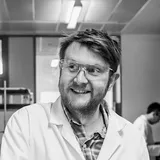 |
Alex Bakeris an Assistant Professor of Chemistry within the Department of Chemistry. His research focuses on the design of robust and low-cost lateral flow devices. He is primarily interested in replacing the biological components of diagnostic devices with synthetic chemical mimics, such as peptides, glycans, small drug molecules and polymers, to broaden their capabilities beyond traditional antibody-based systems. He has applied these technologies to targets such as COVID-19 and snakebite. |
 |
Roberto VivancosRoberto Vivancos is Professor of Public Health within Warwick Medical School. He has over 16 years’ experience in health protection at senior level and has worked in public health response of emerging infections (e.g. Mpox, Zika virus, avian flu) and in two pandemics (Swine flu and COVID-19). His research is mainly translational, focusing on improving surveillance, understanding risk of transmission and the impact of prevention and control measures of infectious diseases. His work is multidisciplinary and uses a mixed methods approach, combining quantitative analysis and qualitative approaches. |
 |
Craig Thompsonis an Assistant Professor within Biomedical Sciences. Craig's research focuses on the antigenic evolution and pandemic potential of viruses (mainly influenza and coronaviruses), viral disease severity and vaccine design. |
 |
Dan Lassersonis Professor of Acute Ambulatory Care at Warwick Medical School. Dan's research looks at acute medical care in ambulatory and Hospital at Home care models. |
 |
Frances Griffithsis Professor of Medicine in Society, Warwick Medical School. Her research looks at information and communication technology in health care in low and middle income countries, along with living with long-term conditions. |
 |
Darius Koesteris Assistant Professor in Cell Biology. Darius' laboratory focusses on the effects of mechanical forces in remodeling the plasma membrane and the underlying actin cortex. He uses a combination of in vitro methods based on reconstituted, minimal systems of the cell membrane-cortex composite as well as live cells in culture. |
 |
Dimitris Grammatopoulosis Professor of Molecular Medicine at Warwick Medical School. His research includes redictive tools for identifying women at risk of depression during pregnancy and postpartum along with understanding barriers to accurate early laboratory diagnosis and patient centric control of gestational diabetes mellitus. |
 |
Heather DraperLink opens in a new windowLink opens in a new windowis Chair of Bioethics in WMS. She is interested in the ethical dimensions of pandemic planning particularly in relation to healthcare staff – for example, the blurring of boundaries between clinical ethics and public health ethics during pandemics, workers’ obligations during pandemics and measures that may lessen the ethical burdens on staff. More information on her research interests can be found on Heather Draper’s personal webpage, Heather Draper’s Google Scholar pages, and the Warwick Medicine, Ethics and Society website (which contains information on her current and previous research projects). |
 |
Tom SorellLink opens in a new windowLink opens in a new windowis Professor of Politics and Philosophy in the Dept. of Politics and International Studies at Warwick, and directs the Interdisciplinary Ethics Research Group (IERG). He works on the ethics of responses to pandemics by individuals and governments, and more generally on the ethics of response to emergencies, including civil war and terrorism. He has published a recent article on the ethics of Covid surveillance in the early stages of the pandemic, and has previously written about the ethics of parental refusals of the MMR vaccine for their children. He is PI of an ongoing AHRC-DFG project on the ethics and epistemology of vaccine hesitancy in the Covid pandemic. He is willing to supervise work on the relation of medical ethics to public health ethics, and the technology developed for track and trace regimes. |
 |
Keith HyamsLink opens in a new windowLink opens in a new windowis Professor of Political Theory and Ethics at Warwick. A philosopher by training, Keith’s interdisciplinary research programme looks at ethics and justice issues arising in the context of health policy, pandemic response, climate change, international development, and technological risk. His policy work includes advising a broad range of UK and international NGOs and government bodies, including the UK Cabinet Office. Current research projects include ‘Supporting Just Response and Recovery to Covid-19’ , which investigates the effects of the Covid pandemic on youth in informal urban settlements across Africa; and ‘Covid Observatories’, which looks at the experience of Indigenous Peoples worldwide during the Covid pandemic. |